Updating your home with new windows can significantly enhance its aesthetic appeal, improve energy efficiency, and increase overall property value. However, understanding the costs associated with window replacement is crucial for budgeting and making informed decisions. This detailed guide will help you navigate the complexities of window replacement costs, ensuring you get the best value for your investment.
Factors Influencing Window Replacement Cost
Many variables affect the cost of window replacement. It's essential to grasp these factors to effectively plan your budget and expectations.
1. Type of Windows
The style and functionality of the window greatly influence the overall expense. Common window types include:
Single-hung and Double-hung: Single-hung windows typically cost less but offer limited functionality compared to double-hung options which allow both sashes to move, providing better ventilation.
Casement Windows: Known for their easy opening mechanism and excellent ventilation, these are often pricier due to their complex design.
Bay and Bow Windows: These offer an expansive view and increase interior space, both of which come at a higher cost.
Sliding Windows: Cost-effective options that offer easier maintenance and modern aesthetics.
2. Material Choice
The choice of material is a significant determinant in window costs. Each material offers unique benefits and varying durability levels.
Vinyl: A popular choice due to its affordability, low maintenance, and decent energy efficiency.
Wood: Offers natural beauty and excellent insulation but requires regular maintenance.
Aluminum: Known for its strength and durability but ranks lower in insulation and may be more expensive.
Fiberglass: Provides excellent insulation and durability with a higher price tag.
3. Glass Type and Glazing Options
Modern windows come with various glass options offering different benefits.
Single, Double, or Triple Glazing: More panes generally mean better energy efficiency and noise reduction. However, they increase costs.
Low-E Coatings: Enhance energy efficiency by reflecting heat, which can help reduce your energy bills.
Impact-Resistant Glass: Ideal for regions prone to severe weather, though more expensive.
4. Installation Complexity
Installation complexities can drive up the cost. If structural changes or repairs are needed—such as altering the window opening or addressing rot or mold—the cost will increase.
Regional Cost Variations
Window replacement costs can vary significantly due to geographical location. Urban areas tend to have higher labor costs than rural regions. Additionally, certain climates might require specialized window types to handle extreme temperatures or weather conditions, influencing costs further.
Calculating Total Window Replacement Costs
To calculate your potential expenses effectively, consider all variables and take advantage of professional quotes.
Steps to Estimate Costs:
Assess Your Needs: Determine the number and types of windows requiring replacement.
Choose Materials and Styles: Based on your aesthetic preferences, climate needs, and budget, select the materials and styles.
Secure Multiple Quotes: Obtain quotes from at least three different contractors for an accurate cost comparison.
Consider Additional Features: Decide on optional features such as glazing types, handle types, or smart functionalities.
Factor in Waste Disposal and Permits: Some regions require permits or have disposal fees, which should be included in your budget.
Long-Term Savings and Value
Investing in window replacement can lead to substantial long-term savings, mainly through reduced energy bills and increased home value.
Benefits of Window Replacement:
Energy Efficiency: Modern windows with advanced insulation can lower heating and cooling costs.
Increased Home Value: New windows enhance curb appeal, making your home more attractive to potential buyers.
Comfort and Noise Reduction: Improved insulation reduces outside noise, creating a more comfortable living environment.
Safety and Security: Some modern windows offer enhanced locking systems and impact resistance.

FAQ: Window Replacement Cost
How much does window replacement typically cost?
Window replacement costs can vary widely depending on several factors including the size, type, and number of windows you need to replace. On average, homeowners might expect to pay between $175 and $1,200 per window. Basic single-pane windows fall on the lower end of this range, whereas high-performance or custom models climb higher. Labor costs are also a key component and generally range from $100 to $300 per window. It's critical to get multiple quotes to ensure you're getting the best deal for your specific situation.
What factors influence the cost of window replacement?
Several elements impact window replacement costs. Material type is a significant factor; vinyl windows, for instance, are often more affordable than wood. Glass type also plays a role, as energy-efficient double-paned or triple-paned glass can be pricier. Size is another consideration since larger windows naturally require more materials. Additionally, location-related labor rates and the complexity of the installation can influence overall expenses. Customizations such as specialized finishes or unique designs may further elevate the price.
How can I save money on window replacement?
To save money on window replacement, consider prioritizing critical replacements rather than doing all windows at once. Shopping around for multiple quotes can also yield a better deal. Some manufacturers offer discounts or rebates for energy-efficient models, which can lead to long-term savings on energy bills. Additionally, handling some aspects of the process, like removing old frames or cleaning up after installation, can reduce labor costs. Opting for more cost-effective materials, like vinyl instead of wood, is another way to keep expenses down.
Are there any unforeseeable costs when replacing windows?
Yes, unforeseeable costs can arise during window replacement projects. For instance, hidden damage such as rot or mold within walls or frames may need to be addressed once the project begins. Structural issues can also necessitate additional repairs or reinforcements. It’s wise to budget a contingency fund of 10-20% above the initial quote to cover potential surprises. Close communication with your contractor can help manage any unforeseen developments effectively.
Does the type of glass affect window replacement costs?
Yes, the type of glass significantly affects window replacement costs. Standard single-pane glass is typically the least expensive. However, homeowners often prefer double-hung or triple-hung windows because of their superior insulation and energy efficiency, albeit at a higher price. Other options like low-emissivity (Low-E) coatings or shatter-resistant glass—designed for durability and UV protection—can further drive up costs. Investing in higher-quality glass can enhance thermal performance and longevity, offering savings on energy bills over time.
How do seasonal changes impact window replacement costs?
Seasonal changes can influence window replacement costs, particularly due to demand fluctuations. Generally, window replacements are most popular during spring and summer, potentially leading to higher prices and longer waits. In contrast, scheduling your project during off-peak seasons like late fall or winter might result in cost savings through discounted rates or promotions, as contractors may offer deals to keep business steady throughout the year. It’s essential to balance potential savings with the possible weather-related inconveniences of offseason installations.
Is it worth replacing windows to improve energy efficiency?
Replacing windows can indeed be worthwhile for improving energy efficiency. High-quality, energy-efficient windows can drastically reduce your heating and cooling bills by maintaining a stable indoor temperature. Although energy-efficient models tend to require a higher initial investment, they often pay for themselves over time through utility savings. They also increase the overall value of your home by enhancing comfort and reducing your carbon footprint, which can be an additional selling point if you plan to move.
How long does a typical window replacement project take?
A typical window replacement project generally spans one to three days, but the duration can vary based on the number of windows and the complexity of the installation. Most experienced crews can replace between ten to fifteen windows in a single day. However, older homes or projects that involve custom windows or repairs to surrounding structures may require more time. It’s crucial to discuss the timeline with your contractor to set realistic expectations and minimize disruption to your daily routine.
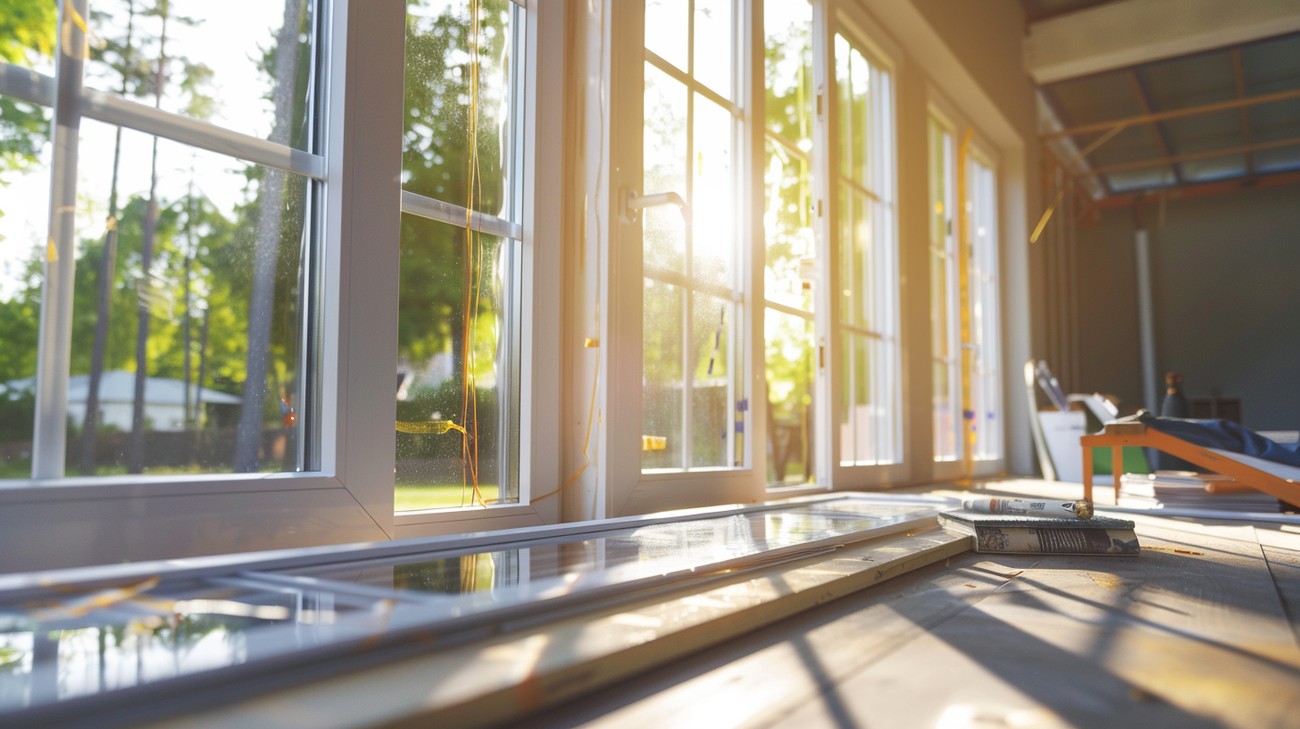
Cost Breakdown
Typical Price Ranges
When considering window replacement costs, you're generally looking at a range between $300 to $1,500 per window, including both materials and installation. For basic, single-hung, and double-pane vinyl windows, costs typically start around $300 to $600 each. On the other hand, high-end options, such as custom-sized triple-pane windows or high-efficiency wooden frames, can exceed $1,500 per window, depending on the design and technology.
Factors That Affect Cost
Several key factors contribute to the variance in window replacement costs:
- Material Type: Vinyl windows tend to be the most affordable, while wooden and fiberglass windows often cost more due to their superior insulation and aesthetic appeal.
- Window Style: Casement, bay, and bow styles usually require more labor and materials, increasing their overall expense compared to simpler styles like double-hung or sliders.
- Size and Customization: Custom-made windows or larger sizes can drive up the price significantly because they may require special orders and additional installation time.
- Energy Efficiency: Windows with enhanced energy-saving features, like Low-E coatings or gas fills, will add to your upfront costs initially but can save money on energy bills over time.
- Labor Costs: Installation labor costs can vary greatly depending on your geographic location. Urban areas may see higher labor prices compared to rural settings.
Cost Comparison (Budget vs Premium Options)
Budget-friendly options, such as standard vinyl windows, usually come with straightforward installations and simple designs. These can run anywhere from $300 to $700 per window. For those on a tight budget, they provide the necessary functionality without frills.
On the premium side, investing in fiberglass or wooden frames with luxurious finishes can set you back $800 to $1,500 per window. The premium options offer better insulation and longevity, as well as enhanced aesthetic appeal which might be important if you're seeking to boost your home's value.
Hidden Costs to Consider
Replacing windows often comes with unexpected expenses:
- Structural Repairs: If your house has any existing water damage or structural issues around the windows, you'll need to budget for repairs before you can successfully replace them.
- Permit Fees: Some municipalities require permits for window replacement, and these fees can add up, especially if multiple permits are needed.
- Disposal Fees: Removing and disposing of the old windows often incur additional charges, around $50 to $150 per window.
- Accessory Costs: Window treatments like blinds or aesthetic enhancements like trim and molding may need updating with new windows.
Ways to Save Money
Here's how you might reduce your overall expenditure on window replacements:
- Bulk Purchase Discounts: Many contractors offer discounts for homeowners replacing multiple windows at once, which could lead to significant savings on both product and labor.
- Promotional Offers and Rebates: Keep an eye out for manufacturer promotions and rebates, particularly for energy-efficient options, which can reduce your costs upfront when bundled with installation services.
- Do-It-Yourself (DIY) Installation: For those who are handy, tackling a DIY window replacement project lowers labor costs substantially. However, ensure that you're aware of any potential mishaps and complexities involved.
- Seasonal Discounts: The off-season, typically in late fall or early winter, might present opportunities for discounts as contractors experience lower demand and offer better pricing.
- Energy Efficiency Incentives: Check for state or federal incentives on energy-efficient windows to offset installation costs and save on future energy bills.
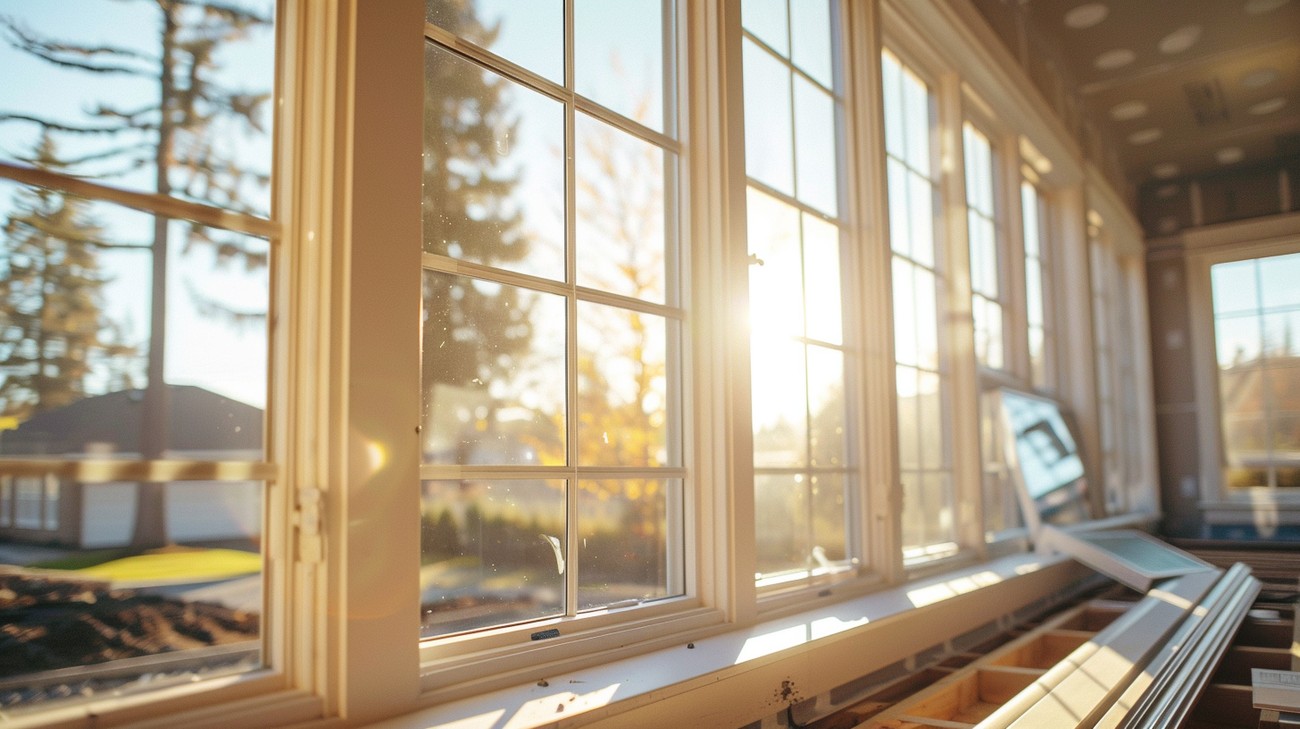
Final Thoughts
When considering window replacement cost, it's essential to factor in both the materials you choose and the potential energy savings over time. A well-planned investment not only enhances the aesthetic appeal of your home but can also improve its overall value and energy efficiency.
If you're in Northern California and thinking about upgrading your windows, we invite you to reach out to us at GVD Renovations & Remodeling. Our team of local experts is here to help you find the best options that fit your budget and needs. Whether you want to schedule a consultation or request a free estimate, we’re ready to assist you every step of the way.
Reviewed by our team at GVD Renovations, a licensed general contractor. While we strive for accuracy, project specifics vary — contact us for a personalized assessment. Product details, specifications, or warranties may have changed since publication. Brand and product mentions reflect our professional opinion, not endorsements or guarantees.
Tags: window replacement, cost, estimate,


Written by Sam Rutkevich, Renovation Specialist ·