

Asbestos is a naturally occurring fibrous mineral that has been in use for a long time due to its unique properties. One such application was in the manufacture of asbestos siding for homes and commercial buildings. Although asbestos has been banned in several countries due to health-related issues, it remains a health hazard to many, living in older buildings or those planning a renovation of houses built before 1980.
Understanding Asbestos Siding
Asbestos siding was a common construction material in the mid-20th century. It was considered inexpensive, fire-resistant, and durable, an ideal choice for many. The asbestos fibers were mixed with cement to form a composite material that was extremely durable and weather-resistant.
The Health Concerns Associated With Asbestos Siding
The Risk of Asbestos Exposure
Asbestos-cement siding is classified as a Category II non-friable material. While it is intact, the fibers are locked into the cement and the shingles cannot be crumbled to a powder by hand. The hazard arises when the siding is broken, cut, drilled, sanded, scraped, power-washed or badly weathered: those actions can release fibers into the air, where they can be inhaled. Long-term exposure can lead to several health issues such as lung cancer, mesothelioma, and asbestosis.
Is Asbestos Siding Always Dangerous?
As long as the asbestos siding remains in good condition and is not disturbed, it does not pose a significant health risk. The problem arises when the material starts to deteriorate, or it is disturbed during remodeling, renovation, or demolition activities.
Identifying Asbestos Siding
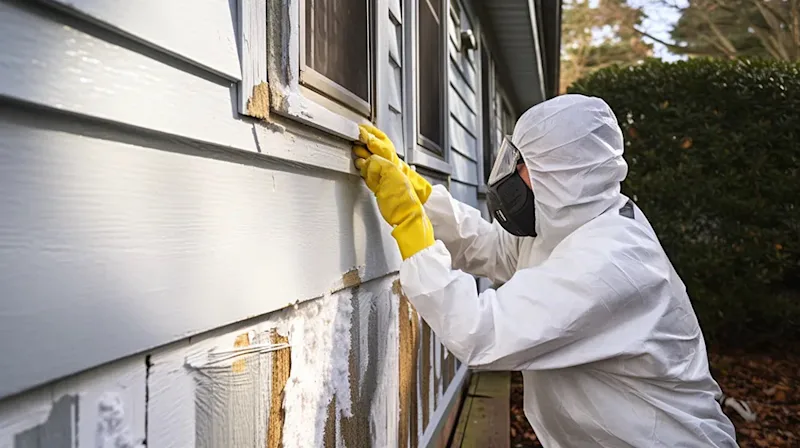
It can be challenging to identify asbestos siding quickly because it resembles other siding materials. Here are a few indicative characteristics of asbestos siding:
- The pattern of tiny dimples or beads on the shingles
- The presence of a wavy backside
- The unnatural hardness of the shingles which is more than that of organic shingles
None of these signs is proof. The only way to know whether siding contains asbestos is to have a sample tested by a lab. Managing asbestos siding requires careful attention to safety to prevent exposure to asbestos fibers, which can be harmful to health. Here's how to approach it:
Inspection by Professionals
- Identifying Asbestos Siding: Asbestos siding was commonly used in homes built before the 1980s. If your home dates from this period, it might contain asbestos materials.
- Professional Inspection: Engage a certified asbestos inspector (in California, a Cal/OSHA Certified Asbestos Consultant) to conduct a thorough examination. These professionals have the expertise and equipment to safely identify and assess the condition of asbestos-containing materials.
- Sampling and Analysis: The inspector will take a small sample of the siding material in a controlled manner to minimize the release of asbestos fibers. The sample is then sent to an accredited asbestos testing laboratory (look for NVLAP accreditation) to confirm whether asbestos is present.
Safe Handling and Disposal
- Avoid Disturbance: If the asbestos siding is in good condition, it may be best to leave it undisturbed, as intact asbestos materials often pose no immediate risk.
- Do Not Remove It Yourself: Homeowners should not pry off, break, cut, drill, sand or power-wash suspected asbestos siding. If the siding is damaged or needs to come off, removal is a job for a licensed asbestos abatement contractor. The steps below describe what that contractor does; they are not do-it-yourself instructions.
- Wet Methods: The abatement crew keeps the material wet during removal and takes shingles off whole wherever possible rather than breaking them, which reduces the release of fibers.
- Containment and Protective Equipment: The crew lays plastic sheeting below the work area, restricts access, and wears respirators and disposable protective clothing as required by Cal/OSHA's asbestos standard for construction work.
- Disposal Protocols: The contractor wraps or bags the waste, seals and labels it as asbestos waste, and hauls it to a landfill permitted to accept asbestos. Ask for the disposal paperwork for your records.
Legal and Safety Considerations
- California Licensing and Registration: In California, asbestos work of 100 square feet or more (which includes virtually any siding job) must be done by a contractor that holds the Contractors State License Board (CSLB) asbestos abatement classification (C-22) or asbestos certification and is registered with Cal/OSHA's Asbestos Contractor Registration unit. You can check a contractor's license on the CSLB website.
- Local Air District Rules: In Sacramento County, the Sacramento Metropolitan Air Quality Management District enforces asbestos rules for renovation and demolition through Rule 902. Most renovations of homes with four or fewer units are exempt, but there are exceptions (for example, condominiums, townhouses and HOA properties, or a house being converted to or replaced by a commercial building). Other counties have their own air districts, so your abatement contractor should confirm which rules apply.
- Hire a Licensed Abatement Contractor: A licensed, Cal/OSHA-registered asbestos abatement contractor is trained in safe asbestos handling and disposal and is responsible for meeting these requirements.
Leaving intact siding alone, testing before any work, and leaving removal to licensed professionals is the safest way to manage asbestos siding and stay within the law.
Steps For Asbestos Siding Replacement
Preparation
Replacing asbestos siding starts with testing. If a lab confirms asbestos, a licensed asbestos abatement contractor removes the old siding first, and only then does the new siding go on. GVD Renovations & Remodeling can assess your exterior, plan the new siding, and help coordinate the schedule with the abatement contractor.
The abatement contractor handles the asbestos-related notifications (such as the advance notice Cal/OSHA requires before asbestos work starts) and the safety measures that protect workers, residents, and the surrounding environment. The siding installation itself typically needs a building permit from your city or county building department.
Asbestos Removal
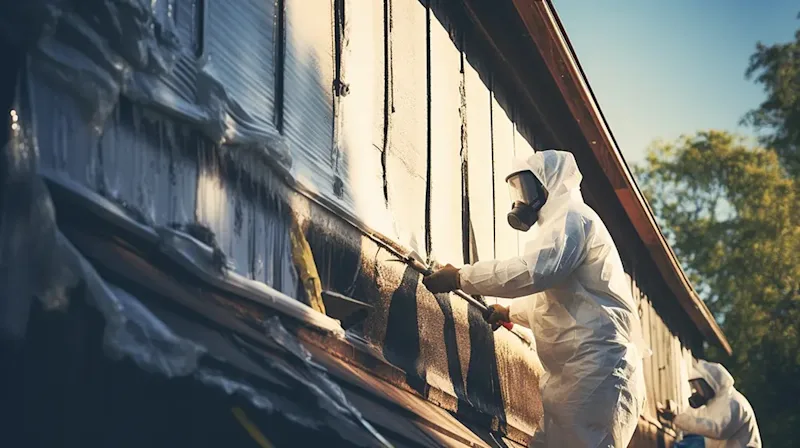
The removal of asbestos siding is a highly specialized process that must be done by a contractor that holds the CSLB asbestos classification or certification and is registered with Cal/OSHA. GVD Renovations & Remodeling is not an asbestos abatement contractor and does not remove asbestos. The abatement crew uses wet methods, containment, and protective equipment to keep fibers out of the air, then disposes of the material at a permitted facility. Once abatement is complete, GVD can install your new siding.
Installation of New Siding
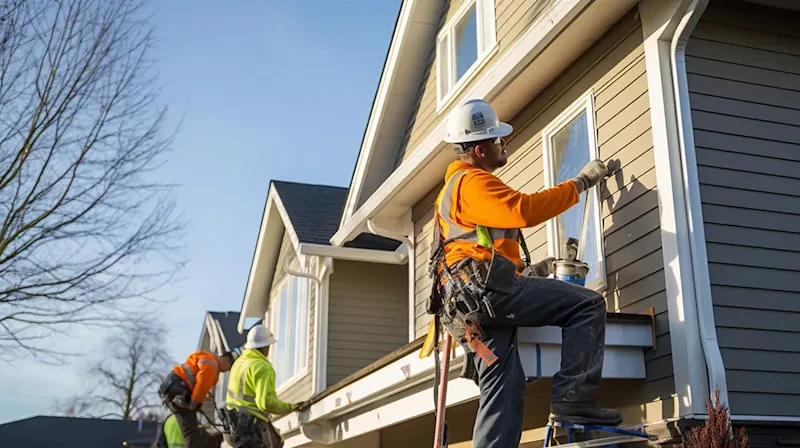
Once the licensed abatement contractor has removed the asbestos siding and disposed of it according to all regulatory requirements, the focus shifts to preparing the home's exterior for the installation of new siding. GVD Renovations & Remodeling offers a wide array of siding materials, including modern vinyl, eco-friendly fiber cement, and classic wood siding, among others. This variety allows homeowners to select the option that best suits their home's architectural style and their personal aesthetic preferences, as well as their budget. The installation process is handled with the same attention to detail and commitment to quality, ensuring a seamless transition to a safer and more visually appealing home exterior.
Replacing asbestos siding with modern materials can drastically improve your home's safety, efficiency, and appearance. Beyond the critical aspect of eliminating health risks associated with asbestos, upgrading your siding offers several benefits:
- Enhanced Curb Appeal and Value: New siding can significantly boost your home's aesthetic appeal and market value.
- Energy Efficiency: Modern siding materials are designed to be more energy-efficient, potentially saving you money on heating and cooling costs.
- Durability and Low Maintenance: Advances in siding technology mean newer materials are more durable and require less maintenance than asbestos siding.
- Customization: With a broad selection of styles, colors, and textures, you can personalize your home's exterior to match your unique style.
Good Alternatives for Asbestos Siding
When considering alternatives to asbestos siding, there are several excellent options that cater to different needs, preferences, and budgets:
-
Sacramento Fiber Cement Siding: Fiber Cement Siding mimics the look of wood, brick, or stone but is more durable and fire-resistant. It's a popular choice for those looking for a balance between cost, appearance, and longevity.
-
Vinyl Siding: Vinyl Siding offers great versatility in colors and styles, is cost-effective, and requires minimal maintenance. It's also easy to install and can improve energy efficiency with insulated options.
-
Wood Siding: Wood Siding provides a classic and natural look. It's available in various styles, including clapboard, shingles, and shakes. Wood siding requires more maintenance but can offer superior aesthetics and natural insulation properties.
-
Metal Siding: Often made from aluminum or steel, metal siding is durable, fire-resistant, and low-maintenance. It's an excellent choice for modern, industrial, or contemporary home designs.
-
Stucco Siding: Offers a unique and customizable appearance with excellent durability and fire resistance. Stucco is ideal for homes in warmer climates and provides a timeless look.
-
Brick Veneer Siding: Gives the appearance of solid brick but at a lower cost and with easier installation. It's extremely durable and offers a classic aesthetic.
-
Stone Veneer Siding: Like brick veneer, stone veneer provides the look of natural stone at a fraction of the cost. It's perfect for creating a high-end look without the high-end price tag.
-
Composite Siding: Made from various materials, including wood fibers and resins, composite siding offers the look of natural wood but with increased durability and less maintenance.
Each of these alternatives has its unique advantages, allowing homeowners to choose the best fit for their style, budget, and environmental conditions. Upgrading from asbestos siding not only makes your home safer but also allows for a significant improvement in its overall aesthetics and performance.
Frequently Asked Questions about Asbestos Siding
How do you handle asbestos siding during home renovations?
During home renovations, if you suspect that there's asbestos siding in your home, avoid disturbing it if possible. Have it tested and, if asbestos is confirmed, hire a licensed, Cal/OSHA-registered asbestos abatement contractor to remove it. Disturbing asbestos during renovation work can release harmful asbestos fibers into the air, posing a risk to both you and others in the vicinity.
Does homeowner's insurance cover asbestos siding removal?
In most cases, homeowner's insurance policies do not cover asbestos siding removal because it's often regarded as a maintenance issue. However, some policies might offer coverage if the asbestos was disturbed due to an event like a storm or fire. It's imperative to review your policy details or contact your insurance provider to understand your coverage fully.
Can you paint over asbestos siding?
Yes, you can paint over asbestos siding. In fact, painting can help seal in the asbestos fibers, reducing the likelihood of them becoming airborne. This is a safer and cheaper option than removal. However, make sure to use a thick, latex-based exterior paint and avoid scraping, sanding, or power-washing the siding as you prepare it for painting.
Does all old siding contain asbestos?
Not all old siding contains asbestos. While asbestos siding was popular from the early 1920s to the 1980s, other materials were also used, including wood, metal, and vinyl. However, the possibility of asbestos being present in older homes is higher, especially those built before the 1980s.
Are there laws about asbestos siding removal?
Yes. In California, asbestos work of 100 square feet or more must be done by a contractor with the CSLB asbestos classification or certification who is registered with Cal/OSHA, and local air districts (such as Sacramento Metropolitan AQMD under Rule 902) regulate some renovation and demolition projects. Asbestos waste must go to a landfill permitted to accept it. Your abatement contractor should handle the required notifications.
Pros and Cons of Asbestos Siding
Pros of Asbestos Siding
Durability
One of the main advantages of asbestos siding is its durability. The fact that many homes from the mid-20th century still have their original asbestos siding is a testament to its longevity. Some key aspects include:
- Fire Resistance: Asbestos is known for its fireproof properties. This makes asbestos siding highly resistant to heat and combustion, which can provide extra protection for homes in case of fires.
- Weather Resistant: Asbestos siding is resistant to extreme cold and hot weather conditions. It does not degrade or deteriorate easily under these conditions.
- Insect Resistance: Unlike wood and other siding materials, insects and pests do not damage asbestos siding.
Cons of Asbestos Siding
Despite the benefits, there are downsides to asbestos siding that are critical to consider:
Health Risks
Major health risks are associated with the use of asbestos siding. The tiny asbestos fibers can become airborne when the material is cut, disturbed, or degrades over time. When inhaled, these fibers can cause serious health conditions such as:
- Asbestosis: a chronic lung disease that causes shortness of breath and can lead to heart failure.
- Lung Cancer: Asbestos is a known carcinogen, and exposure can significantly increase the risk of lung cancer.
- Mesothelioma: a rare form of cancer that can affect the lining of the lungs and abdomen, and is almost exclusively linked to asbestos exposure.
Cost of Removal or Replacement
The high cost associated with removing or replacing asbestos siding is a major disadvantage. This is due to the stringent safety precautions and regulations that need to be followed. Some of the costs include:
- Inspection: Professional inspection is necessary to confirm the presence and condition of asbestos.
- Removal: Specialist contractors with the correct training and equipment are required due to the hazardous nature of asbestos.
- Disposal: Asbestos waste needs to be disposed of at licensed facilities to prevent environmental contamination.
Difficulty in Repair and Maintenance
Repairing damaged asbestos siding can be challenging, as the material is brittle and can release harmful fibers when disturbed. Additionally, due to its phased-out production, it can be tough to find matching replacement tiles.
Aesthetical Considerations of Asbestos Siding
Asbestos siding often has a very distinctive and dated appearance, which may not be desirable for homeowners wanting a modern aesthetic. Transforming this look without disturbing the asbestos can prove challenging and could require substantial covering or coating, adding yet more cost.
Environmental Impacts
Last but not least, the use of asbestos siding has potential adverse environmental impacts. Improper disposal can lead to contamination of soil and water. Also, asbestos is a non-renewable resource, the mining of which creates substantial waste and could contribute to environmental degradation.
Summary
Historically, asbestos siding was valued for its fire resistance and durability. It was also weather-resistant and easy to maintain. Over time though, the harmful health effects associated with asbestos became undeniable. Hence, while it may still be present in older homes, its use has been largely discontinued.
If your property has asbestos siding, it's essential to take precautions. Leaving it undisturbed is the safest approach as long as it's in good condition. However, if you're planning a renovation, have the siding tested and hire a licensed, Cal/OSHA-registered asbestos abatement contractor to remove it safely so the fibers do not become airborne.
Although asbestos siding was once popular, safer alternatives are now available. For those who appreciate the aesthetic of their home's current asbestos siding, fiber cement siding is a practically identical and far healthier option. So, while asbestos siding was effective for what it was intended for, it's clear that its damaging impacts to health outweigh any benefits.
About GVD Renovations & Remodeling
Welcome to GVD Renovations & Remodeling, a premier home remodeling company based out of Sacramento, CA. We specialize in a variety of renovation services, delivering quality craftsmanship and exceptional attention to detail. Our team of professionals are seasoned experts in exterior and interior remodeling, dedicated to bringing your vision to life. Whether you're interested in updating your kitchen, giving your bathroom a makeover, or enhancing your home's exterior, GVD Renovations & Remodeling is your go-to destination for all your remodeling needs. Join the countless satisfied homeowners we've helped throughout Sacramento and embark on your renovation journey with us today.
Reviewed by our team at GVD Renovations, a licensed general contractor. While we strive for accuracy, project specifics vary. Contact us for a personalized assessment. Product details, specifications, or warranties may have changed since publication. Brand and product mentions reflect our professional opinion, not endorsements or guarantees.
Tags: asbestos siding, home remodeling,


Written by Sam Rutkevich, Renovation Specialist ·


