Woodpeckers are fascinating birds, known for their distinctive pecking behavior. However, when it comes to your home's siding, their activities might not be as enchanting. Siding woodpecker damage is a common issue faced by homeowners, especially in areas with significant woodpecker populations. This article delves deep into the causes of this damage, ways to identify it, and strategies to prevent woodpecker damage to your siding.
Why Woodpeckers Peck
Woodpeckers peck at siding for several reasons. Understanding these motivations is crucial for developing effective prevention strategies.
- Foraging for Food: Woodpeckers primarily feed on insects. If your siding has an insect problem, it's likely to attract woodpeckers.
- Drumming: To establish territory and attract mates, woodpeckers perform a rapid pecking known as drumming.
- Nest Building: Some woodpeckers create holes in siding to build nests or roost during colder months.
- Acoustic Attraction: Certain siding materials, like cedar, can produce a loud noise when struck, which attracts woodpeckers for drumming.
Identifying Woodpecker Damage
Siding woodpecker damage can vary based on the bird’s intentions and the material of the siding. Here’s how you can identify this damage:
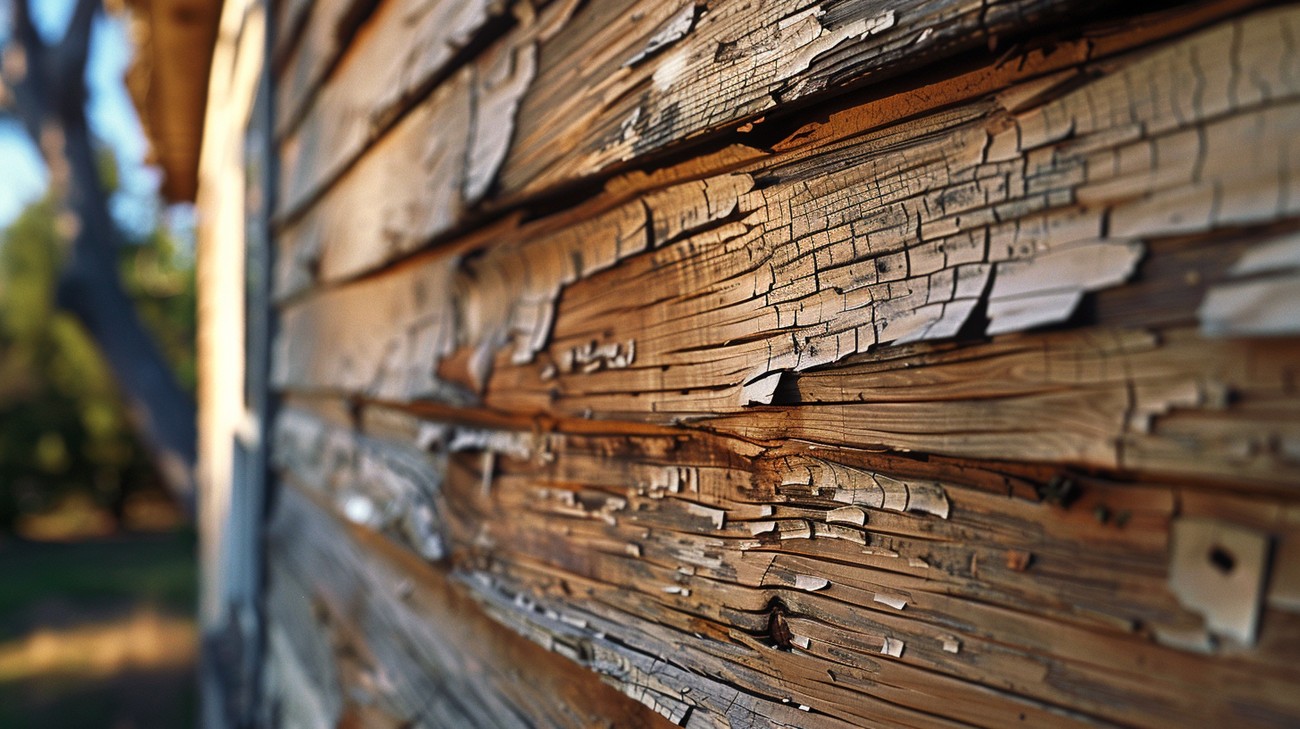
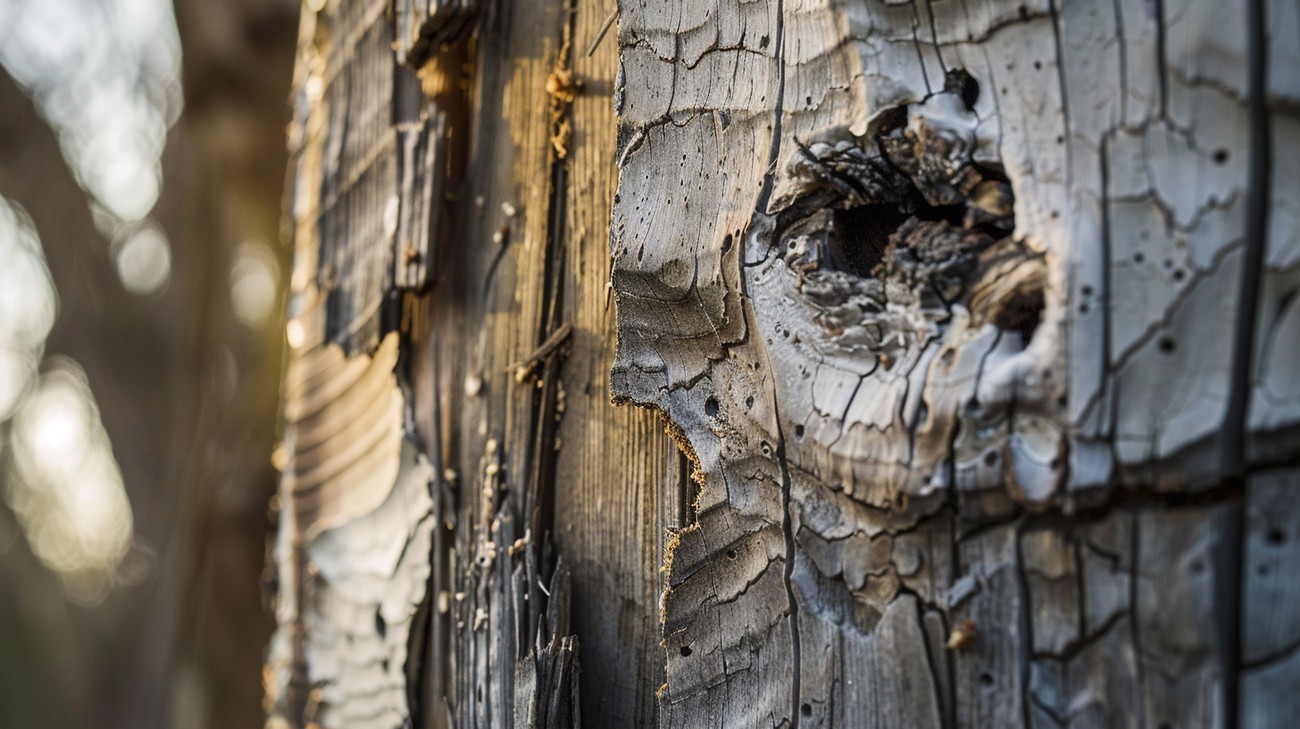
- Round Holes: Circular holes, usually an inch in diameter, are often made during search for insects or nesting.
- Vertical Rows of Holes: Woodpeckers searching for insects might create a series of vertical holes.
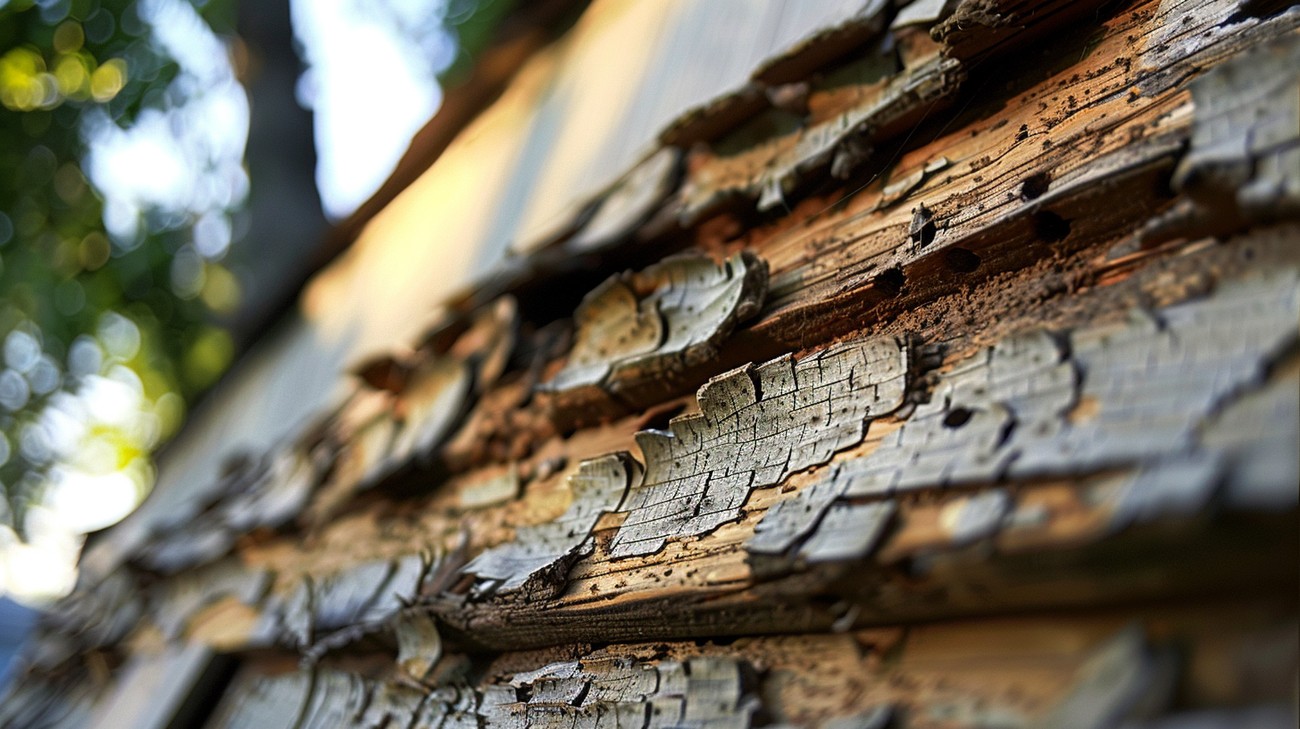
- Pecking Marks: Chipped paint or tiny dents on the siding surface can indicate early stages of woodpecker activity.
Assessing the Damage: Why It Matters
Assessing and addressing woodpecker damage early is crucial for maintaining your home's integrity. Unattended damage can lead to:
- Structural Issues: Holes can allow moisture to seep into the siding, leading to rot and structural compromise.
- Insect Infestation: Damaged areas provide entry points for insects, compounding pest issues.
- Decreased Efficiency: Compromised insulation can result from extensive damage, leading to higher energy costs.
- Aesthetic Impact: Visible damage can detract from your home’s curb appeal, affecting its value.
Prevention Strategies
Preventing woodpecker damage involves a combination of deterrents, repairs, and regular maintenance.
Deterrents to Keep Woodpeckers Away
- Visual Deterrents: Hang shiny objects like strips of aluminum foil or reflective tape to dissuade woodpeckers.
- Auditory Deterrents: Use sonic devices that emit sounds to scare woodpeckers away.
- Tactile Deterrents: Install netting or mesh over the siding to prevent birds from reaching the surface.
- Taste Aversions: Apply bitter-tasting deterrent sprays to the siding to repel birds.
Repairing and Reinforcing Your Siding
- Patch Small Holes: Use wood filler or putty to repair small holes promptly.
- Replace Damaged Sections: For severe damage, replacing the affected siding area may be necessary. Opt for fiberglass or cement-based siding materials that are less appealing to woodpeckers.
- Insect Control: Regularly inspect your siding for pests and treat infestations promptly to reduce attraction.
Routine Maintenance Tips
- Regular Inspections: Schedule periodic checks of your siding to catch early signs of damage.
- Keep Siding Clean: Remove dirt, debris, and plant growth that could harbor insects.
- Trim Trees: Overhanging branches can provide access points for woodpeckers.
Choosing the Right Siding Material
When replacing or installing new siding, consider materials less susceptible to woodpecker damage:
- Fiber Cement: Durable and resistant to both insects and birds.
- Vinyl Siding: While not entirely woodpecker-proof, it is less attractive than wood.
Working with Professionals
If you’re dealing with extensive woodpecker damage or unsure about how to deter these birds, professional help can be invaluable.
- Pest Control Experts: Professionals can assess underlying insect issues contributing to the problem.
- Siding Contractors: A contractor can recommend the best materials and repairs to prevent future damage.
- Wildlife Specialists: They can provide humane woodpecker removal and prevention solutions.
FAQ on Siding Woodpecker Damage
Why do woodpeckers cause damage to home siding?
Woodpeckers might be causing damage to your siding for a few reasons: searching for food, creating nesting sites, or marking their territory. During certain times of the year, particularly spring, you might notice an increase in activity as they seek mates or establish new areas. This pecking can create holes that expose your home's underlying materials to weather elements, leading to more extensive damage over time.
What types of siding are most susceptible to woodpecker damage?
Wood siding, such as cedar and redwood, are most vulnerable to woodpecker attacks. The softer the wood, the easier it is for woodpeckers to drill holes. Generally, natural wood siding offers the least resistance compared to fiber cement or vinyl siding, which are tougher and less attractive to woodpeckers. However, it’s essential to remember that no siding is entirely immune if woodpeckers are persistent or find an incentive to peck.
How can I identify woodpecker damage on my siding?
Woodpecker damage on siding is typically identified by small, round holes or lines of holes pecked into the wood. You might also notice larger, more irregular holes if woodpeckers have been particularly aggressive. Additionally, look for strong drumming sounds around your home or visible wood debris on the ground. Regular inspections, especially after breeding seasons, can help catch damage early.
Are there any specific times of year when woodpecker damage is more prevalent?
Woodpecker activity peaking during spring is common as they establish territories and search for mates. They may also be more active in late fall, preparing for winter and caching food in holes. While these periods are high-risk times, it’s important to remain vigilant year-round as woodpeckers may access your siding whenever they detect insects or find it suitable for nesting.
What preventive measures can be taken to avoid woodpecker damage to siding?
To prevent woodpecker damage to your siding, consider a range of deterrents. Visual deterrents, like reflective strips, bird netting, and predator decoys, can make your home less attractive to these birds. Additionally, maintaining your siding by sealing holes and applying repellents can help. Incorporating tougher materials such as fiber cement or engineered wood for your exterior can also reduce risk. Consistent home maintenance and inspection play crucial roles in prevention.
How can existing siding woodpecker damage be repaired?
Repairing siding woodpecker damage involves filling holes with appropriate wood fillers, sanding them for a smooth finish, and repainting the area to match the surrounding surface. For extensive damage, sections of siding might need replacement. It’s advisable to address any detected damage promptly to prevent further issues such as water damage or pest infestations.
Is it legal to deter woodpeckers from pecking on my home?
While it is generally permissible to deter woodpeckers from damaging your property, many woodpecker species are protected by laws like the Migratory Bird Treaty Act. These regulations make it illegal to harm, trap, or kill woodpeckers without a special permit. Therefore, any deterrent measures should be non-lethal and focus on discouragement rather than harm. Consulting local wildlife authorities for guidance can ensure compliance with legal standards.
Are there natural deterrents to keep woodpeckers away from siding?
Natural deterrents for keeping woodpeckers away from your siding include planting trees and shrubs away from your house to draw the birds' interest elsewhere. In addition, installing wind chimes, wind socks, or reflective surfaces can cause disturbances that woodpeckers prefer to avoid. Some homeowners also use citrus or bitter sprays on siding as a taste deterrent. These methods aim to make your home less appealing without causing harm to the birds.
Can woodpecker damage be indicative of other underlying issues with home siding?
Yes, woodpecker damage can sometimes reveal underlying issues, such as insect infestations in your siding that might be attracting the birds. Woodpeckers often peck to access insect larvae within the wood, indicating that your siding could benefit from pest control measures. Additionally, compromised siding is more vulnerable to environmental damage and may require inspection or upgrading to ensure it is not only pest-free but also weatherproofed.
What should I do if woodpeckers persist despite preventive measures?
If woodpeckers persist despite your preventive efforts, it might be necessary to try different deterrent methods or enhance the ones in place. Sometimes, the effectiveness of deterrents decreases as birds become accustomed to them. Consulting with wildlife specialists or professional pest control services can provide more tailored solutions. Persistent issues could also indicate broader problems with your siding needing professional assessment.
Troubleshooting Guide
1. Holes in the Siding
Symptoms: You see small, round, or rectangular holes in your siding material. Chips of paint or wood might litter the ground.
Likely Causes: Woodpeckers peck into the siding often searching for insects or making nesting cavities.
Step-by-step Fixes:
- Inspect your siding for insect infestation. If present, treat it with appropriate insecticides.
- Use wood filler to patch small holes in the siding.
- Sand down the area after the filler has dried, ensuring it's level with the surrounding siding.
- Paint or stain the repaired area to match the rest of your siding.
- Consider installing deterrents like reflective tape, bird spikes, or decoy predators to keep woodpeckers away.
When to Call a Professional: If you're unable to successfully repair the damage yourself or suspect a significant insect infestation, it's time to call a siding specialist or pest control expert.
Prevention Tips: Regularly inspect your siding for damage and ensure it is well-painted or sealed. Consider installing non-wood siding options that deter woodpeckers.
2. Peeling Paint Around Holes
Symptoms: The paint surrounding holes created by woodpeckers is peeling or flaking off.
Likely Causes: Moisture intrusion often leads to paint peeling as woodpeckers create openings in the siding.
Step-by-step Fixes:
- Scrape off all loose or peeling paint around the damage to create a smooth surface.
- Fill the holes and any gaps with exterior-grade wood filler.
- Prime the area using a high-quality exterior primer.
- Paint over the primed section with matching exterior paint.
When to Call a Professional: If moisture has severely damaged your siding, you should hire a professional to assess and fix the issue.
Prevention Tips: Regularly repaint your siding and trim any vegetation that can hold moisture against your home. Keep gutters and downspouts working correctly to direct water away from your home's exterior.
3. Noises Inside Walls
Symptoms: You hear tapping or pecking sounds coming from within the walls of your home.
Likely Causes: Woodpeckers could be creating a nesting site or searching for insects within your siding.
Step-by-step Fixes:
- Identify the specific area where the noise is coming from.
- Use exterior wood filler to seal any identified holes once you've verified there's no nesting inside.
- Apply exclusion netting or bird spikes near the affected area to prevent further pecking.
When to Call a Professional: If you suspect fauna nesting inside the wall cavities or cannot access the affected area safely, professional help is necessary.
Prevention Tips: Use deterrents like ultrasonic repellers or motion-activated sprinklers to keep them at bay.
4. Siding Panel Loosening
Symptoms: Panels of siding appear warped or are beginning to come loose.
Likely Causes: Woodpecker activity, accompanied by weathering, can weaken the structural integrity of siding panels.
Step-by-step Fixes:
- Check if the panel can be re-nailed or re-fastened securely.
- For substantial damage, replace the affected panel with new siding.
- Ensure the entire wall is secure to prevent further loosening.
When to Call a Professional: If re-securing the panel seems beyond your expertise or the damage is extensive, seek a siding expert's assessment and repair services.
Prevention Tips: Ensure your siding is maintained regularly and is free of decay or infestation.
5. Fungal Growth on Siding
Symptoms: Presence of mold or mildew around or near woodpecker holes.
Likely Causes: The increased moisture from the holes allows fungal growth.
Step-by-step Fixes:
- Clean the affected area with a bleach solution to remove the mold or mildew.
- Seal any holes using wood filler, allowing it to dry thoroughly.
- Paint over the repaired areas with mildew-resistant paint.
When to Call a Professional: If the fungal growth has spread significantly or caused rot, it is best handled by a professional.
Prevention Tips: Maintain proper ventilation and moisture control around your home, and promptly repair any new damage.
6. Debris Inside Home
Symptoms: Small pieces of insulation or other debris are found inside your home beneath affected areas.
Likely Causes: Woodpeckers may bore through the siding into underlying layers, affecting insulation.
Step-by-step Fixes:
When to Call a Professional: Extensive damage to insulation or interior walls should be addressed by professionals.
Common Mistakes to Avoid
Ignoring the Early Signs
Why it Happens: Many homeowners dismiss early signs of woodpecker damage as harmless noise or minor aesthetic issues.
How to Avoid It: Regularly inspect your siding for holes, chips, or drumming sounds. Early detection is key to preventing extensive damage.
What to Do if You've Already Made the Mistake: If you've ignored it, conduct a thorough inspection of your siding and repair any damage immediately. Fill small holes with wood filler and repaint to prevent further deterioration.
Expert Recommendations: Professionals suggest scheduling regular home inspections to catch issues before they escalate.
Using Ineffective Deterrents
Why it Happens: Homeowners often opt for cheap or homemade deterrents like aluminum foil or plastic owls, which woodpeckers quickly learn to ignore.
How to Avoid It: Invest in proven deterrents, such as metal mesh coverings, scare balloons, or professional deterrent systems.
What to Do if You've Already Made the Mistake: Evaluate the effectiveness of your current deterrents and replace ineffective ones with recommended solutions from wildlife control experts.
Expert Recommendations: Hire wildlife control professionals to assess the situation and implement effective deterrent strategies tailored to your property.
Failing to Address Underlying Issues
Why it Happens: Some homeowners don't realize that woodpecker damage often indicates underlying insect infestations or moisture problems in the siding.
How to Avoid It: Investigate the root cause of the woodpecker activity before addressing only the visible damage.
What to Do if You've Already Made the Mistake: Conduct an inspection for insects, like termites and carpenter ants, and address any moisture issues by redirecting water away from your house or repairing leaks.
Expert Recommendations: Engage pest control specialists for a thorough examination and treatment if necessary.
Overlooking Alternative Siding Materials
Why it Happens: Many homeowners are unaware that there are woodpecker-resistant materials available for home siding.
How to Avoid It: Explore siding options that include fiber cement, vinyl, or metal, which are less appealing to woodpeckers.
What to Do if You've Already Made the Mistake: When it's time for significant repairs or renovations, consider replacing damaged wood with resistant materials to avoid future issues.
Expert Recommendations: Consult with a contractor specializing in siding to find the best materials suited for your climate and aesthetic preferences.
Inadequate Repairs
Why it Happens: DIY enthusiasts often make quick fixes using inappropriate materials or shoddy workmanship, thinking they’re saving money.
How to Avoid It: Ensure you're using durable materials and proper techniques when making repairs, or consider hiring a professional.
What to Do if You've Already Made the Mistake: Re-evaluate your repair method, and re-address the damage using high-quality fillers and strong sealants.
Expert Recommendations: Enlist a reputable contractor to provide recommendations or perform the necessary repairs to ensure longevity.
Neglecting Regular Maintenance
Why it Happens: Regular upkeep is often overlooked due to busy schedules and the misconception that siding is maintenance-free.
How to Avoid It: Set a maintenance schedule that includes cleaning, inspecting, and repairing your siding annually.
What to Do if You've Already Made the Mistake: Begin a maintenance routine immediately, focusing on fixing existing damage and preventing new issues.
Expert Recommendations: Professionals suggest combining regular maintenance with seasonal checks to ensure proactive management of your home’s exterior.
Misunderstanding Woodpecker Behavior
Why it Happens: Many people are unaware of why woodpeckers peck at siding, assuming it's purely for creating nests.
How to Avoid It: Educate yourself on woodpecker behavior, which includes drumming to mark territory, search for insects, or create nesting sites.
What to Do if You've Already Made the Mistake: Broadening your understanding can help in the implementation of effective deterrent strategies and repairs.
Final Thoughts
Addressing siding woodpecker damage promptly is key to protecting your home’s exterior and maintaining its value. These pesky birds can cause significant issues if left unchecked, so it’s essential to act quickly when you notice any signs of their presence. From using effective deterrents to making necessary repairs, understanding how to manage these challenges is vital for your peace of mind.
If you’re dealing with siding woodpecker damage and live in Northern California, we're here to help. Our team at GVD Renovations & Remodeling specializes in assessing and repairing any harm done by these woodpeckers, ensuring your home is safe and sound. Feel free to reach out to us for a consultation or to request a free estimate—we’re ready to assist you in restoring your home’s exterior to its former glory!
Reviewed by our team at GVD Renovations, a licensed general contractor. While we strive for accuracy, project specifics vary — contact us for a personalized assessment. Product details, specifications, or warranties may have changed since publication. Brand and product mentions reflect our professional opinion, not endorsements or guarantees.
Tags: siding, woodpecker damage, exterior maintenance,


Written by Sam Rutkevich, Renovation Specialist ·