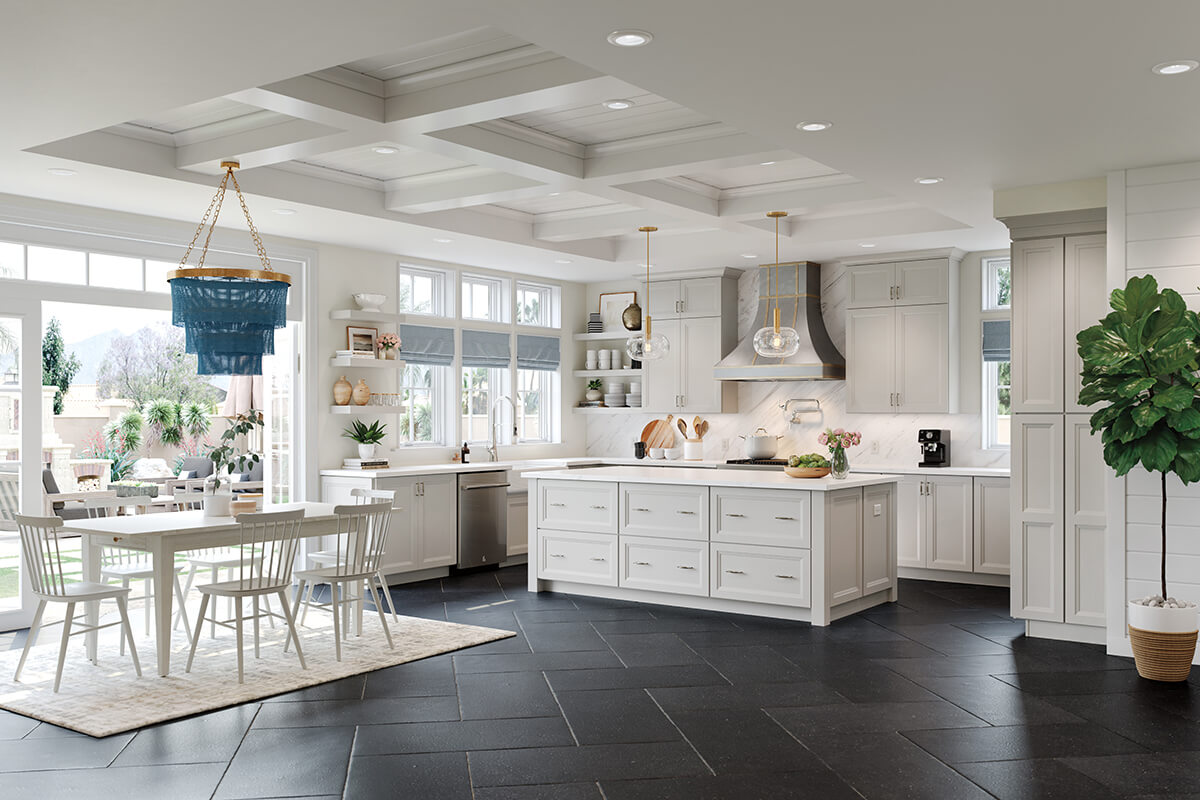
Kitchen Cabinets in Orangevale
We specialize in Orangevale kitchen cabinet installations. We can help you design your kitchen and create a look that perfectly captures your style and your needs.
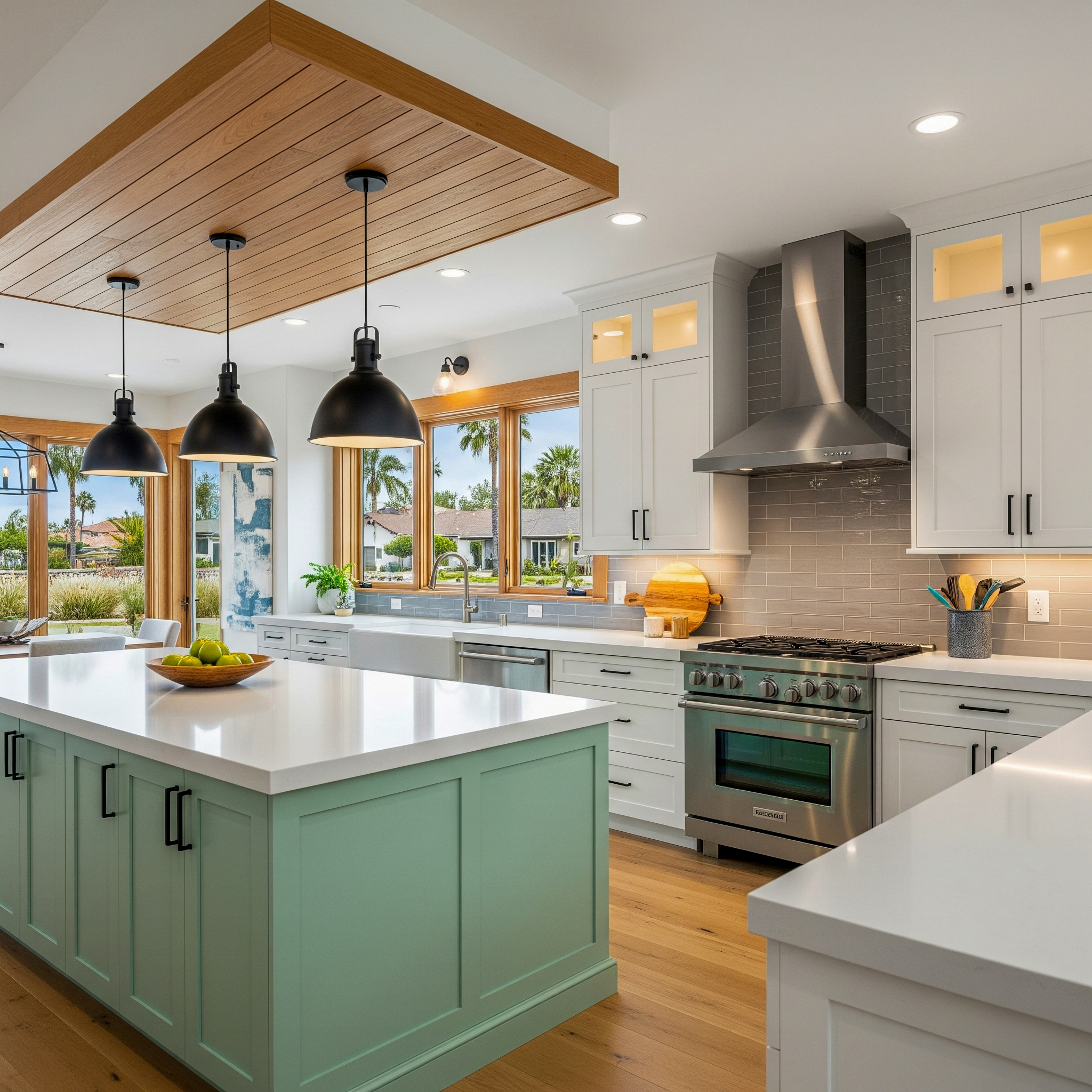
Kitchen Cabinetry
Enjoy gorgeous new cabinets in less time and for less cost that you might think.
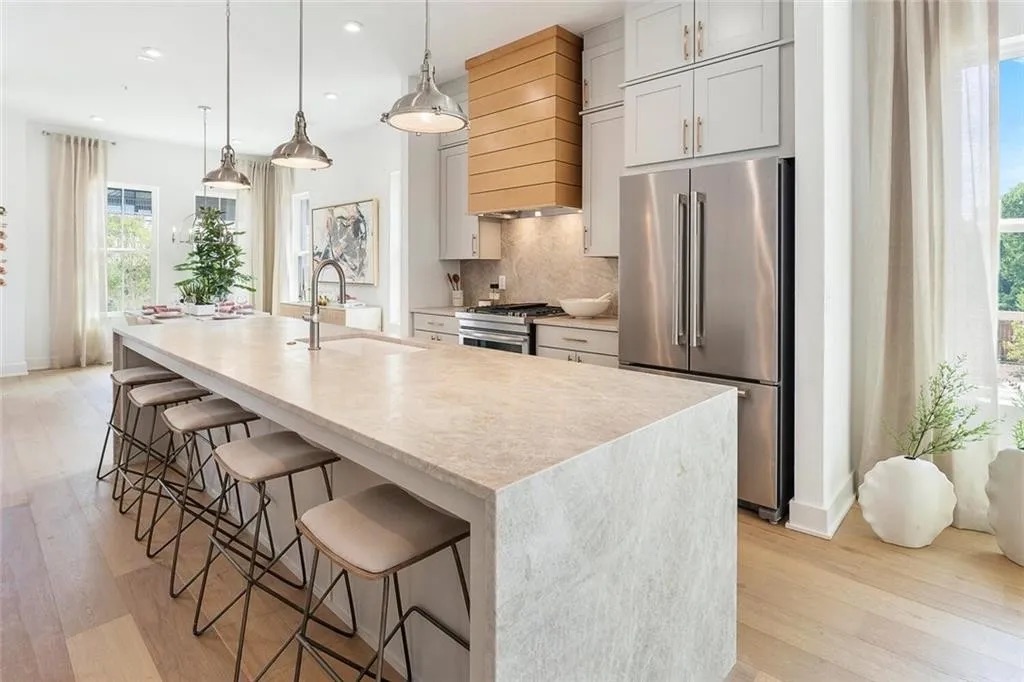
Kitchen Countertops
Large selections and styles available of beautiful kitchen countertops.

Free 3D Kitchen Design
Experience a realistic version of your kitchen before construction begins!
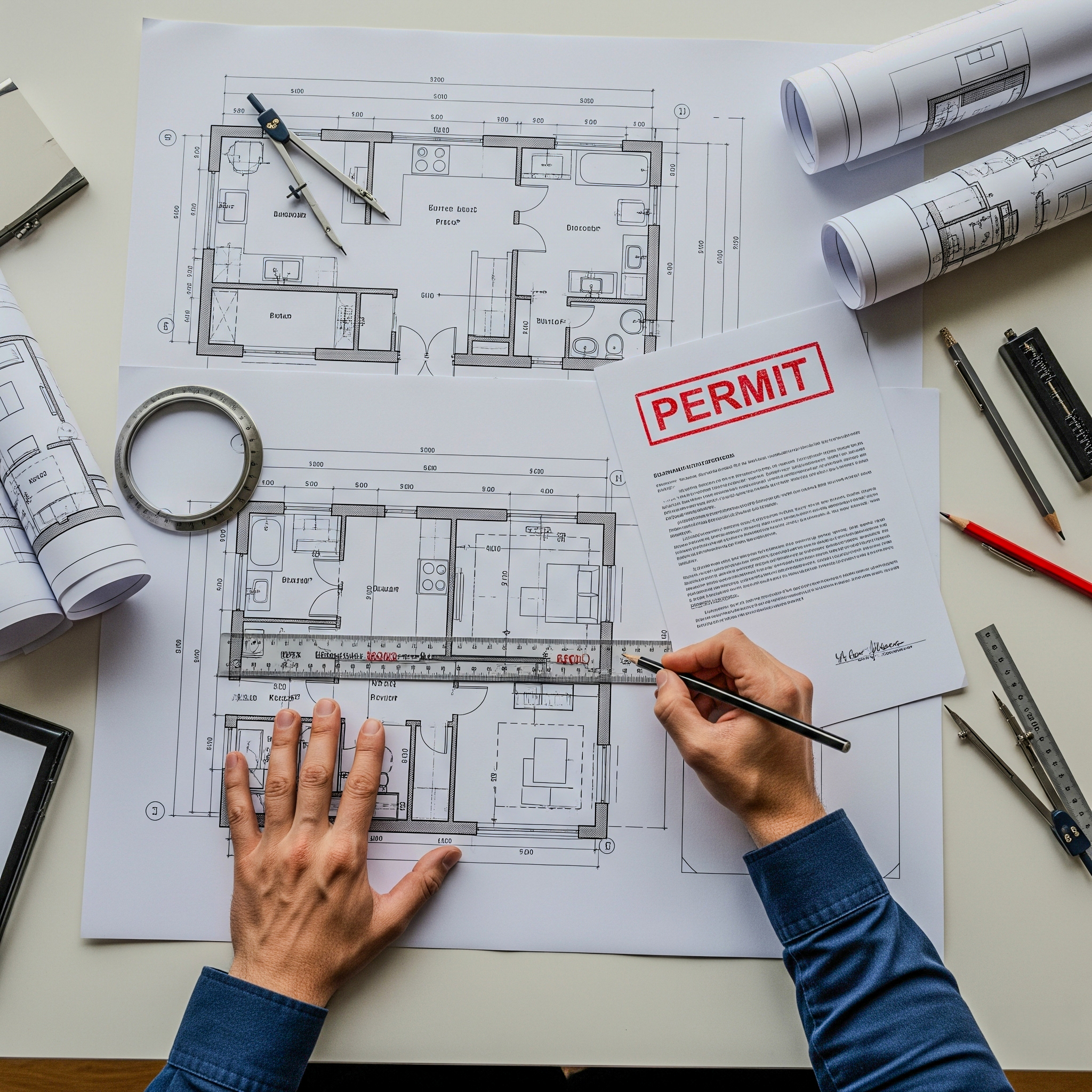
Permits, Plans & Design
We take care of the initial concepts, project plans, building permits, scheduling, etc.
Watch What Some of Our Clients Have to Say


Orangevale Kitchen Cabinet Installers
Orangevale Kitchen Cabinets Installation and Renovation
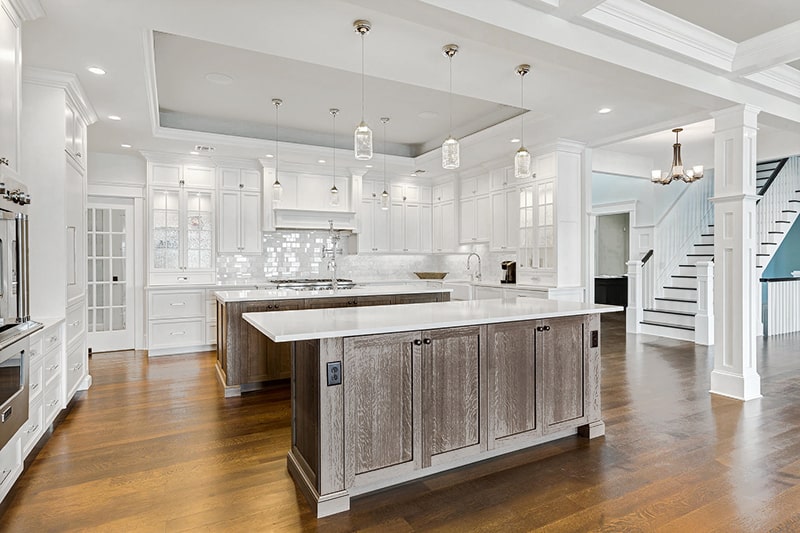
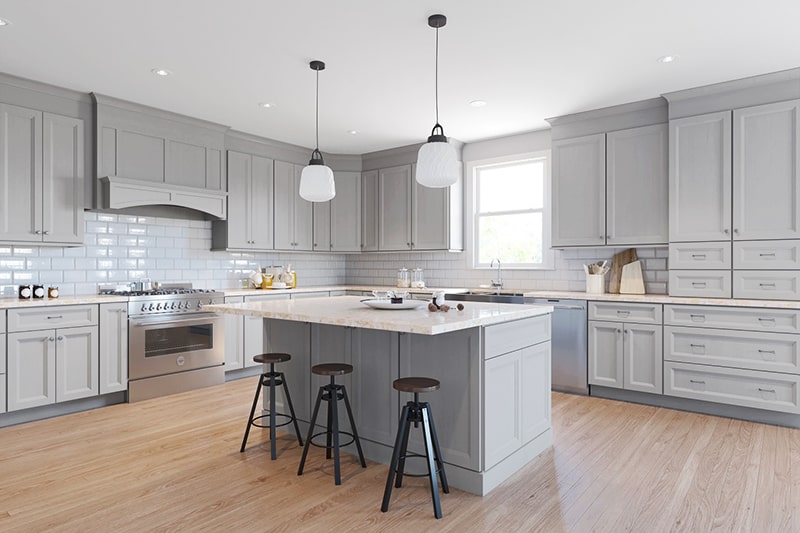
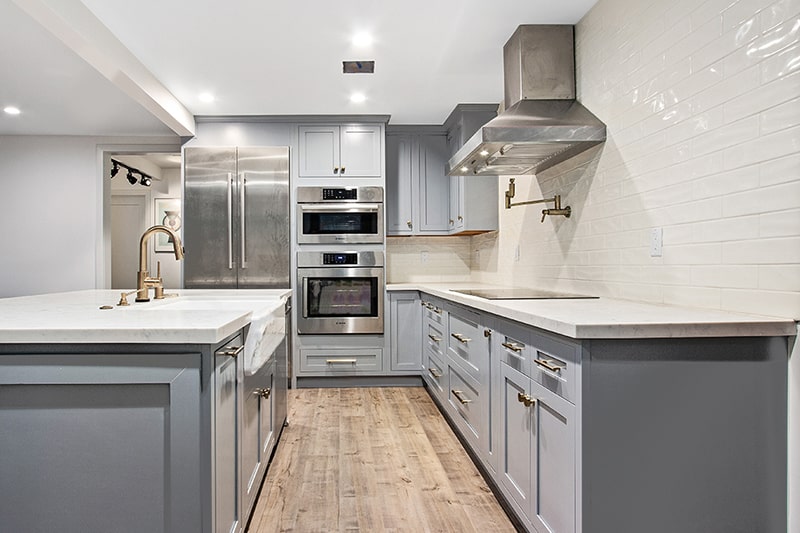
Few things can truly make your kitchen look more welcoming and organized than new kitchen cabinets. At GVD Renovations & Remodeling, we specialize in providing Orangevale kitchen cabinetry and custom kitchen cabinets to create a look that perfectly captures your style and your needs for your kitchen. Here's how we're helping residents with Orangevale kitchen cabinets each and every day:
Cabinets are not a decision you should make lightly. Quality-made kitchen cabinets can last for years, even decades and can provide you with a look that's perfectly suited to the style of your kitchen, while offering outstanding durability and superior organizational quality. Having everything you need within arm's reach is now easier than ever!
If your kitchen and bathroom cabinets are looking worn, outdated, or they're broken or warped, it's time to call the kitchen cabinet experts in Orangevale and let the pros at GVD Renovations & Remodeling handle all your needs.
Affordable Kitchen Cabinet Remodeling in Orangevale
When deciding about the right kind of modern kitchen or bathroom cabinets for your home, it's important to consider all the high quality options you have available. For example, if you're looking for an affordable way to replace your existing kitchen cabinetry, we offer fully-assembled kitchen cabinetry and fast, hassle-free installation -- saving you time and money.
Custom Kitchen Cabinetry in Orangevale
Of course, if you want something that's uniquely suited to your needs, there's no better option than custom kitchen cabinetry. This allows you complete freedom to customize the design and functionality of your cabinets, making your dream kitchen a true reality. Among Orangevale kitchen cabinets, this is one of our most popular options, simply because homeowners know what they like and what they want out of their kitchen cabinets, and we aim to amaze and delight them with craftsmanship and quality that surpasses their expectations!
You have a great deal of options in how you choose to organize your custom kitchen cabinetry. For example, you can choose soft close kitchen cabinets, that close easily and make squeaky, clattering cabinet doors a thing of the past. You can also double your organizational space with roll out kitchen cabinets or pull out cabinets, making it easy to stay organized and keep your kitchen looking clean and tidy.
Top Rated Kitchen Cabinet Installation Contractor
Buying Orangevale kitchen cabinets is about more than just choosing cabinetry. There are so many colors, wood types and even accessories that you can choose from to perfectly accentuate your style and make your kitchen look incredible. For example, if you're looking for a modern, contemporary and fresh look, maple wood is a popular option, whereas a darker choice, like cherry or walnut, gives your kitchen a more rustic, traditional style.
We invite you to browse our portfolio of kitchen cabinet installation in Orangevale as well as the many different varieties of kitchen cabinets (both custom and pre-assembled) that we have installed. This will give you great ideas that you can incorporate in your own design, as well as inspire you as to what's possible within your kitchen space.
Best Kitchen Cabinet Installers Near Me
The bathroom may be the most popular room in the house, but the kitchen is the soul of the home. It's where mouthwatering meals and memories are made! And for that reason, it's important to choose kitchen cabinets that are reflective of your needs as well as the design of your kitchen. No matter what style of kitchen you have, from a linear design, to the Galley or G-shaped kitchen, to the ever popular U-shaped kitchen, there are plenty of choices available to create a statement of style and sophistication that perfectly matches your kitchen and becomes an integral focal point in your home.Not Sure if New Kitchen Cabinets are Right for You?
If you love the look of new kitchen cabinets or custom kitchen cabinets in your Orangevale home, but you worry about the cost, you'll be glad to know that there's a perfect "middle ground" between the two options: kitchen cabinet refacing. This is a highly affordable option that is more cost effective than entirely replacing your kitchen cabinets, but still gives you a look that is fresh, new and amazingly affordable.
Give Your Kitchen a Renovation with Beautiful Cabinets - Inside and Out
Forget dangerous stacks of plates that look like they could tip over at any moment, or squeaky kitchen cabinet doors that announce to everyone that you've snuck downstairs for a midnight snack. Today's kitchen cabinet replacement in Orangevale is a process that is handled by true professionals from start to finish.
At GVD Renovations & Remodeling, we know that kitchen cabinet installation in Orangevale is no easy job. But our decades of combined experience working in kitchens both large and small have taught us that there is no "one size fits all" approach for cabinetry. That's why, whether it's part of an overall kitchen renovation or you're just looking to replace broken, old, worn out cabinetry with something new, fresh and exciting, we can help.
Contact GVD Renovations & Remodeling for the Best Kitchen Cabinets in Orangevale
When you contact us, we'll take the time to carefully understand your needs, your goals and your vision for your kitchen remodel. Whether it's a lack of space, greater mobility or simply kicking those 1960s cabinets to the curb, we understand that your reasons for replacing your kitchen cabinets are all your own, and we want to help you enjoy kitchen cabinets that stand the test of time and durability.
Once we fully understand your specific goals, we can come to you at a time that is convenient for you to conduct all the necessary measurements. We make safety our top priority at all times, so you can be confident that we take the necessary measures to protect everyone at every step in the process. Once we have the required information, we'll provide you with a free, no obligation estimate for your kitchen cabinets or your Orangevale home remodel.
And of course, should you have any questions, or would like to see exciting ideas and trends for kitchen cabinet design, our kitchen designers are here to help. We can help you with complete kitchen and bathroom remodels in Orangevale CA. Contact us today to learn more!
Other Renovation Services in Orangevale, CA
Bathroom Remodeling Shower Installation Kitchen Remodeling Custom Countertops Siding Replacement Replacement Windows Home RemodelingServiced ZIP Codes: 95662, 95662, 95662

4.6/5

4.9/5

A+

5/5

5/5

5/5

5/5

4.8/5

5/5
We are fully insured with worker's compensation and general liability insurance to safeguard you and your home during our work.


GAF Certified Roofing Contractor


Maximize Space with Corner Cabinets: The Ultimate Home Guide
September 3rd, 2024 by Sam Rutkevich

White Kitchen Cabinets: Timeless Elegance for Your Home
August 9th, 2024 by Sam Rutkevich

Revamp Your Kitchen with Bold Blue Cabinets
April 4th, 2024 by Sam Rutkevich

Maximizing Space: The Ultimate Guide to Blind Corner Cabinets
March 21st, 2024 by Sam Rutkevich

Creative Ideas to Transform Your Cabinet Toe Kick
March 20th, 2024 by Sam Rutkevich

Exploring Different Cabinet Door Styles
March 14th, 2024 by Sam Rutkevich
Other Service Areas
- Alta Sierra
- Antelope
- Applegate
- Arden Arcade
- Auburn
- Cameron Park
- Carmichael
- Citrus Heights
- Colfax
- Cool
- Davis
- Diamond Springs
- El Dorado Hills
- El Macero
- Elk Grove
- Elverta
- Fair Oaks
- Florin
- Folsom
- Foresthill
- Gold River
- Granite Bay
- Greenwood
- Ione
- La Riviera
- Lake of the Pines
- Lincoln
- Lodi
- Loomis
- Marysville
- McClellan
- Meadow Vista
- Natomas
- Nevada City
- Newcastle
- North Highlands
- Orangevale
- Penn Valley
- Penryn
- Pilot Hill
- Placerville
- Plumas Lake
- Rancho Cordova
- Rancho Murieta
- Rescue
- Rio Linda
- Rocklin
- Rosemont
- Roseville
- Sheridan
- Shingle Springs
- Sloughhouse
- Sun City Lincoln Hills
- Sun City Roseville
- Tahoe City
- Vineyard
- West Sacramento
- Wheatland
- Wilton
- Winters
- Woodland
- Yuba City
Frequently Asked Questions
about Kitchen Cabinets in Orangevale
Nestled in the Sacramento Valley's northeastern quadrant in California, Orangevale is a charming semi-rural community known for its rolling hills and vast natural spaces. Its serene setting and rural economy have made it a unique and delightful place to live. In contrast to the bustling city life, it offers a peaceful retreat, with the Rollingwood bluffs offering mesmerizing views of the Sacramento skyline.
The real estate market is quite affordable compared to the rest of California, with the median home price in Orangevale standing around $450,000. This reasonable cost, coupled with the area's natural beauty and friendly community, make it a desirable place to settle down.
What should I look for when hiring kitchen cabinet replacement contractors in Orangevale?
When hiring kitchen cabinet replacement contractors in Orangevale, make sure they come with stellar references, documented credentials and high levels of professional experience. A meticulous attention to detail, clear communication, and dedication to customer satisfaction should be prominent in their services. Be sure they can assist you with design choices, and that they carry high-quality products with solid warranties.
Does Orangevale require building permits for kitchen cabinet replacement?
Generally, no - a permit is not required if you are only replacing or removing cabinetry, with no change to the existing layout. However, you should always check with the local building authority to be certain.
Can you provide references or examples of past kitchen cabinet work in Orangevale?
Yes. We, GVD Renovations, can provide references or examples of past kitchen cabinet work that we have completed in Orangevale. It's important to us to be able to show off our professional work and satisfied clients.
What is the average cost to replace my kitchen cabinets in Orangevale?
The average cost to replace kitchen cabinets in Orangevale may range from $8,000 to $25,000. The final cost can vary based on the quality of materials, complexity of the project, and the contractor's labor rates.
Will replacing my kitchen cabinets in Orangevale increase my home's value?
Yes. Replacing your kitchen cabinets can enhance your kitchen's aesthetic appeal, functionality, and overall quality. This can significantly add to your home's value, making it an advantageous choice for homeowners considering a future sale.
Why is GVD Renovations the best Orangevale kitchen cabinet replacement company?
We, at GVD Renovations, are known for our commitment to outstanding craftsmanship, superior materials, and exceptional customer service. Our meticulous attention to detail, coupled with our dedication to each project, guarantees kitchen cabinet replacements that not only meet, but exceed, client expectations. Moreover, we value open communication, transparency, and integrity in all our interactions, ensuring our clients' satisfaction each step of the way.