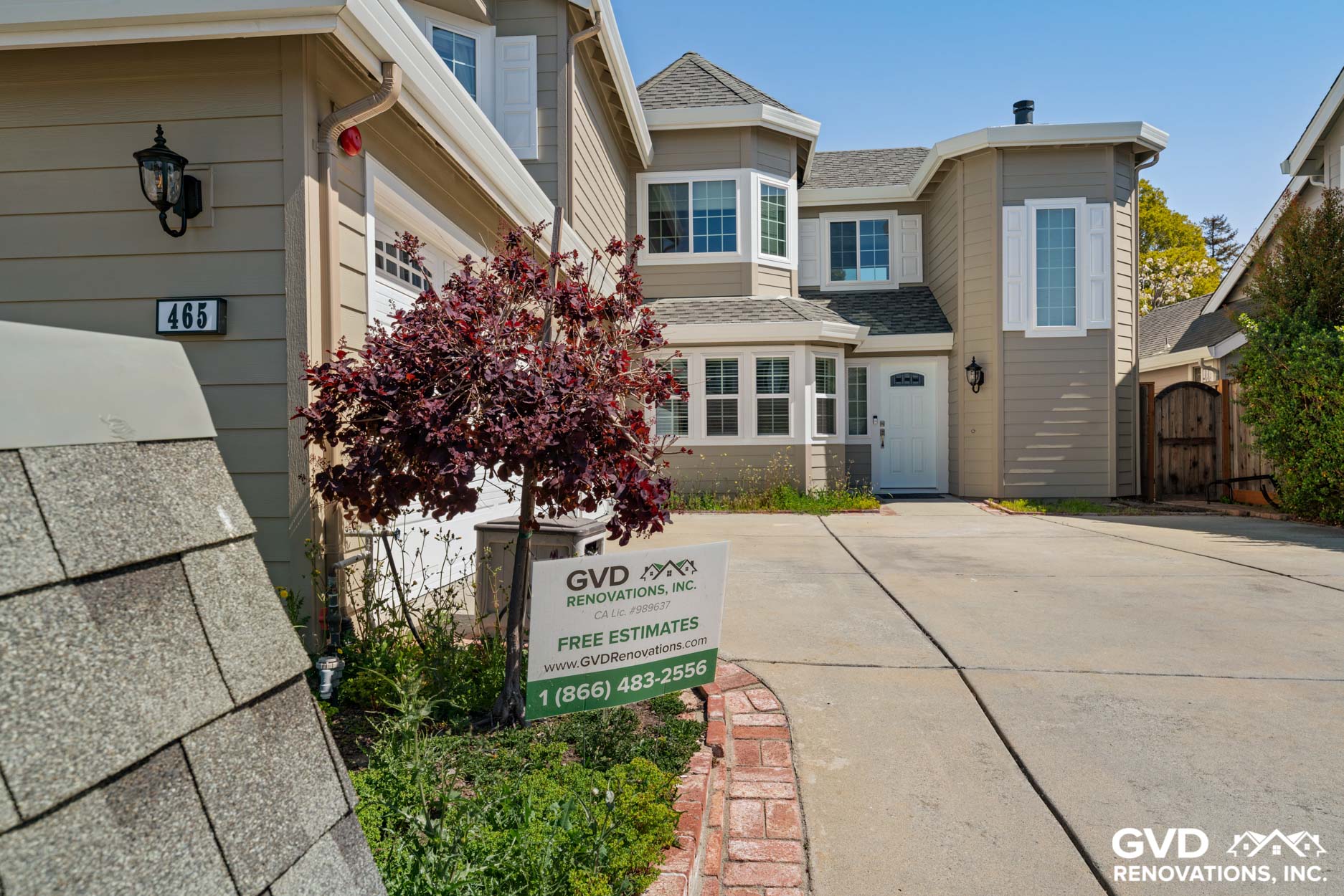
James Hardie Siding Contractor in Santa Cruz
Are you looking for the best James Hardie Siding contractor near Santa Cruz that provides both high-quality materials and workmanship? We can transform the look of your home with high-quality, long-lasting, and attractive James Hardie siding.
Santa Cruz Siding & Window Replacement Experts
Give your home a classic, crisp-looking exterior with exterior siding from GVD Renovations & Remodeling. We have helped countless customers make their dream homes come alive. Let us help you determine the right materials, the best layout, and ideal installation schedule for your renovation.


Tap images to enlarge
See More Recent Projects →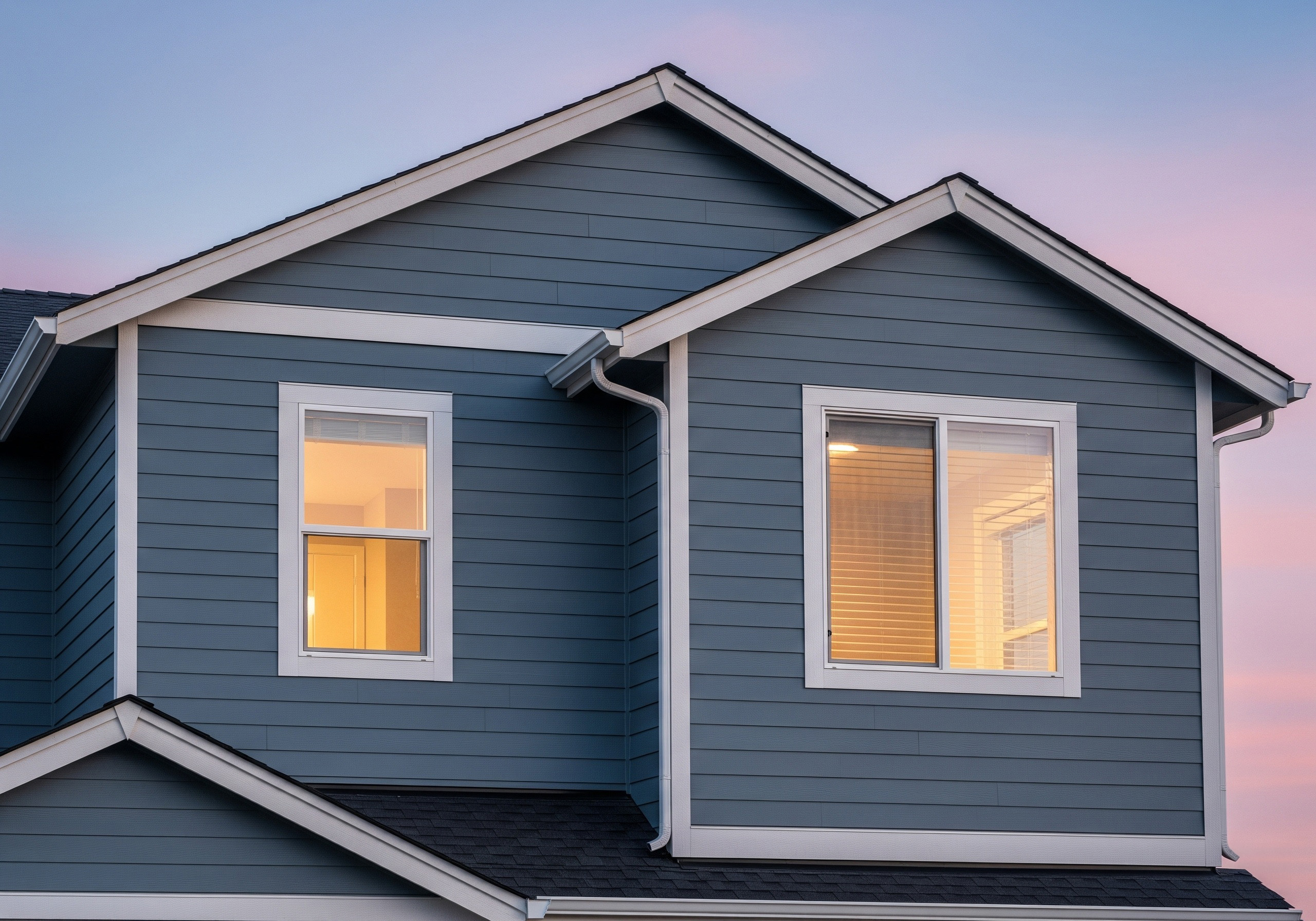
HardiePlank® Lap Siding
America’s favorite siding style. Durable, beautiful, and engineered for long-lasting performance in all climates.
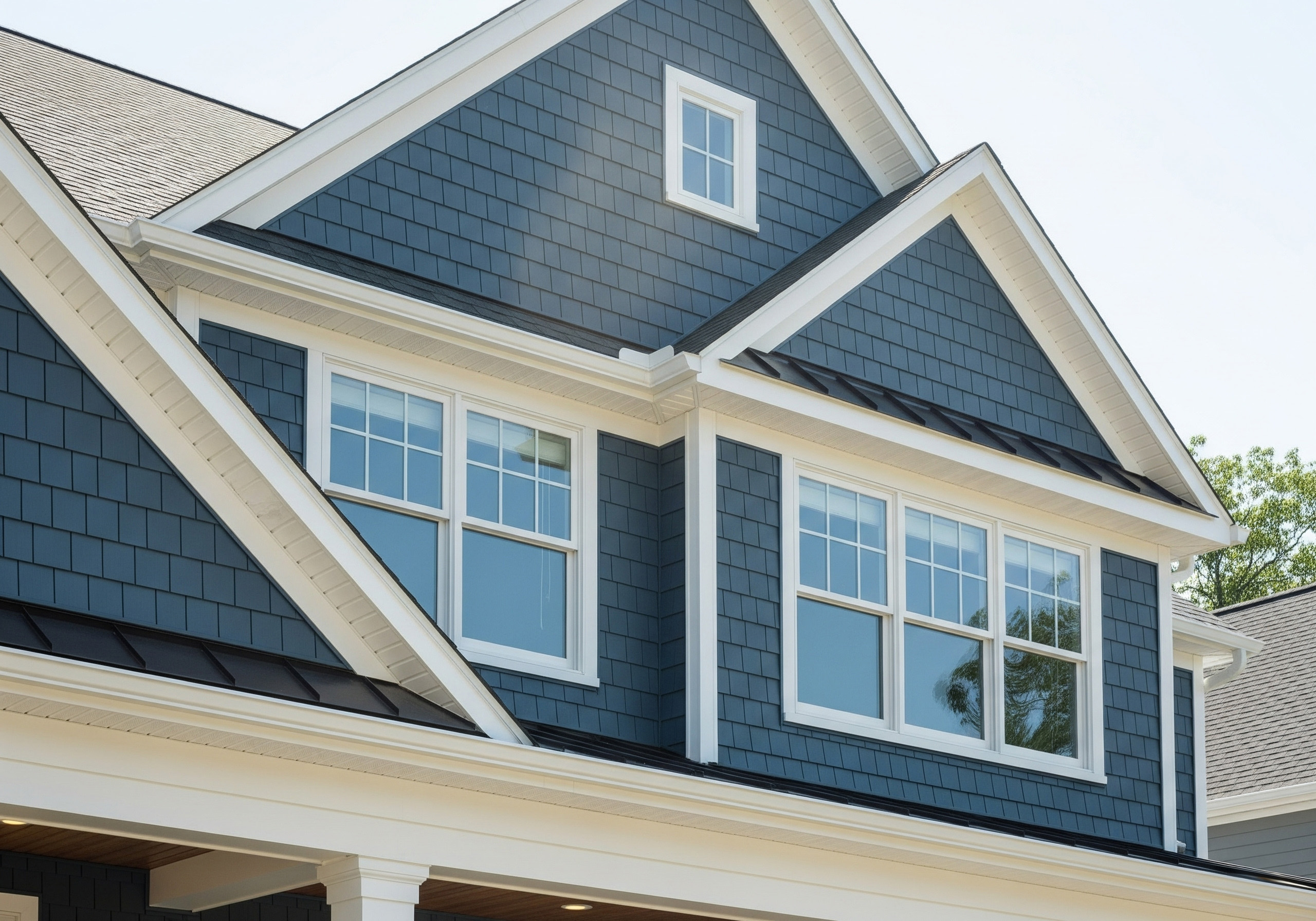
HardieShingle® Siding
The look of cedar shingles with none of the upkeep. Adds timeless charm to gables and accent walls.
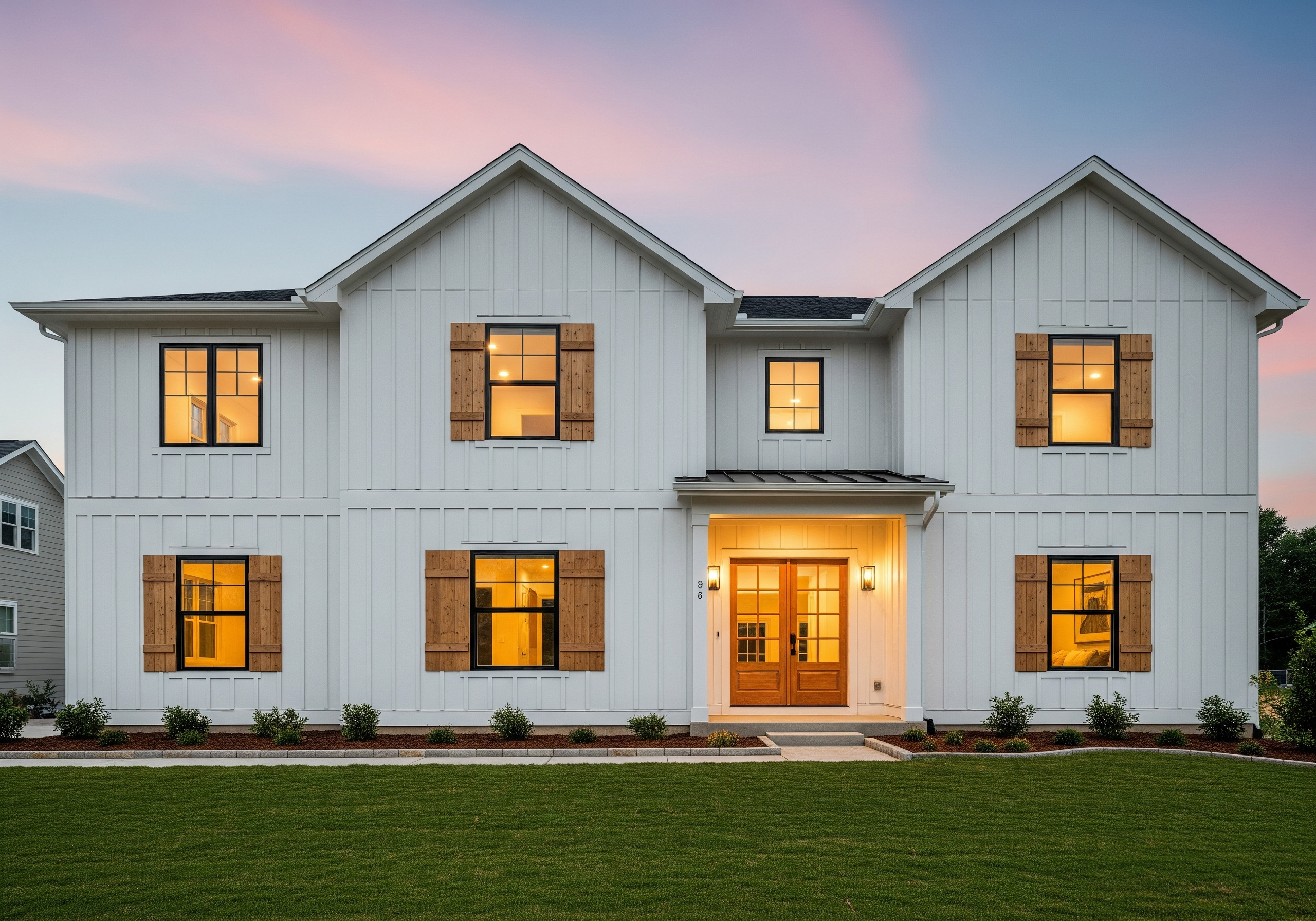
HardiePanel® Vertical Siding
Clean, bold lines ideal for modern and farmhouse-style homes. Pairs well with trim for a board-and-batten look.
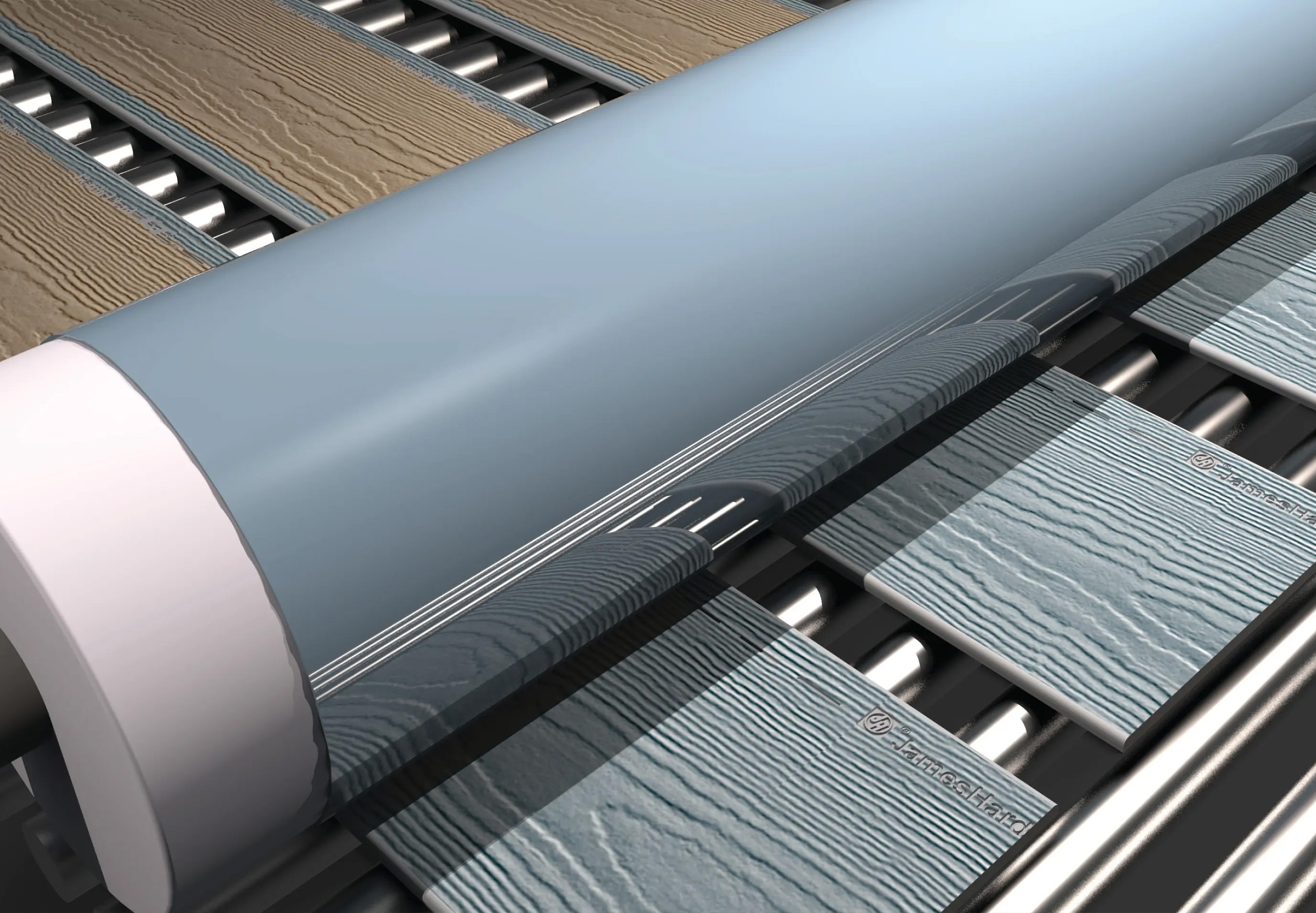
ColorPlus® Technology
Factory-applied, baked-on color that resists fading, chipping, and cracking — keeping your home looking vibrant for years.
Watch What Some of Our Clients Have to Say


Best James Hardie Siding Contractor in Santa Cruz
Are you looking for the best James Hardie Siding contractor near Santa Cruz providing both high-quality materials and workmanship? Such durable and heavy siding needs proper installation. If you want your home to have James Hardie Siding, choose GVD Renovations & Remodeling, an Elite James Hardie Siding contractor.
Santa Cruz Elite Remodeler
We have earned James Hardie’s prestigious Elite Remodeler certification! Elite Contractor status represents the highest standards for installation, service, and customer satisfaction, making it the top certification awarded by James Hardie.
Santa Cruz James Hardie Siding Installers
There is more to the process of installing Hardie Board siding on your home than simply nailing planks in place one by one. The heavier weight of James Hardie Siding is due to the material's durability. Professional and certified crews and precise installation techniques are needed to ensure quality and protect your home.
An elite preferred Santa Cruz James Hardie Siding contractor provides the best services. GVD Renovations & Remodeling is a member of the elite prefered Santa Cruz James Hardie Siding installers near me who have perfected their craft to the highest level.
Our Santa Cruz James Hardie Siding installers near you are here to install your exterior siding, you're getting more than just high-quality siding. You'll also have peace of mind knowing that the James Hardie Siding contractor near you installed your siding with the utmost care and precision so that you can count on it for decades to come.
Elite Preferred James Hardie Siding Contractor Near You
As an esteemed member of the Elite Preferred James Hardie Siding installers in Santa Cruz, we take immense pride in our accomplishments and are dedicated to upholding the highest standards of excellence.
To become a member of this exclusive James Hardie Elite Preferred Contractor Alliance program, we underwent a rigorous training and testing process to ensure that we had the necessary expertise and skills to install James Hardie Siding products to the highest standards. This process involved extensive education and training, as well as a thorough examination of our workmanship and quality standards.
As a result of this extensive training and testing, we have become experts in the installation of James Hardie Siding products in Santa Cruz. We are equipped with the knowledge and skills to ensure that your home receives the best possible installation, and that your new Santa Cruz siding will be durable, beautiful, and long-lasting.
Local James Hardie Siding Installers in Your Area
This is the right place if you're looking for a professional James Hardie Siding contractor in Santa Cruz. All of our work is done in our neighborhood, and we are proud to be a locally owned and operated remodeler in Santa Cruz. We take great pride in delivering the best possible service to our clients, and it shows.
It doesn't matter where you live, you can call GVD Renovations & Remodeling for Santa Cruz James Hardie Siding installation assistance. In situations where no other siding will work, you can rely on our decades of experience and deep understanding.
Don't hesitate to contact us if you'd like to learn more about James Hardie's siding installation in Santa Cruz, California. Siding samples and patterns for Hardie Board can be delivered to your door when you contact us or fill out the free quote form on our website. We can help you choose the right look for your home.
Hiring a Hardie Siding Contractor in Santa Cruz
GVD Renovations & Remodeling offers the competence and knowledge to assure that your siding installation project will be nothing short of extraordinary, no matter how large or small. Your friends, family, and neighbors will likely inquire about the new siding you recently installed in Santa Cruz. You can rest assured that it will continue to exceed your highest expectations year after year!
GVD Renovations & Remodeling' exterior siding will give your house a classic, clean look. Since we opened our doors, we've helped countless people realize their dream homes. For your renovation, we can assist you in determining the best materials, layout, and installation schedule.
Return on Investment for Santa Cruz Hardie Plank Siding
In Santa Cruz, James Hardie plank fiber cement siding is the best option for a reasonable price. In a recent "cost versus. value" research performed by Remodeling Magazine, Fiber Cement Siding was voted the best home remodeling value in the United States. There is no other home improvement project that provides a better return on your investment than fiber cement siding Siding from James Hardie provides a financial return on investment that few other home improvement projects can match. Compared to other home improvement projects like roof replacements, kitchen remodeling, and vinyl siding on a national scale, it consistently outperforms them.
The entire James Hardie Plank siding collection is available to Santa Cruz homeowners through GVD Renovations & Remodeling near you. We offer a variety of siding options to meet the needs of our customers. Take your time to get to know the popular design trends in your neighborhood, as well as your personal style preferences.
If you hire an Elite Preferred James Hardie Siding contractor like us, you can rest assured that your siding will be installed correctly.
James Hardie Siding Installation Costs in Santa Cruz, CA
James Hardie Fiber Cement Siding is a premium siding material that offers superior durability, performance, and curb appeal. However, it is also important to consider the cost of installation when considering this material for your home. At GVD Renovations & Remodeling, we understand that affordability is a major concern for homeowners, which is why we strive to offer competitive pricing on all of our services.
Average Cost to Install Hardie in Santa Cruz
The average cost to install James Hardie Fiber Cement Siding can vary depending on several factors, including the size of your home, the complexity of the installation, and the type of James Hardie Siding you choose. In general, James Hardie Siding is a premium siding material, and the cost of installation is typically higher than other siding materials.
According to industry estimates, the average cost to install James Hardie Siding ranges from $9 to $13 per square foot. For a typical 2,000 square foot home, this can translate to a total labor cost of $19,000 to $28,000. This estimate does not include materials. However, it is important to note that this is just an estimate, and the actual cost of your installation may vary based on your specific needs and preferences.
It is also important to consider that the cost of James Hardie Fiber Cement Siding installation can vary by location. Factors such as local labor costs, permit fees, and material availability can all impact the overall cost of your installation.
Why Choose Us for James Hardie Siding Installation?
Professionalism in Execution
There are no shortcuts for completing your project on time and within budget. The replacement of your siding will go off without a hitch, and you can count on it to last for decades to come. As a result of this commitment to excellence, we have been recognized as Santa Cruz's most esteemed siding replacement company. We are the number one James Hardie Siding contractor in your area.
The Best Warranty in the Business
The labor on our whole house James Hardie Siding installations is covered by a 10-year warranty. As a client of ours, you can relax knowing that a comprehensive warranty protects your project and money.
Advice from a Design Expert
Your home's architectural features should be reflected in the color and style of your siding. It's simple to create a look that suits your house, whether historical or modern, with James Hardie's product selections. Our James Hardie Siding installers near you are well versed in these options and can help you make an informed decision. Get the look you want with the help of our stylists.
Incredibly Well-Chosen Colors
Your house can envy the neighborhood if you choose the right paint colors. You have a wide range of options with James Hardie Fiber Cement Siding to meet your needs. With the help of Hardie's online Visualizer Tool, our James Hardie Siding contractors can help you choose the best siding option for your home.
Personalization At Its Finest
Using James Hardie products, homeowners can create a wide variety of unique designs. If you have any questions, our James Hardie Siding contractor will be happy to help you decide what's best for your home.
Topnotch Durability
James Hardie Siding is built to withstand the test of time thanks to its unique fiber cement composition and time-tested performance. You can rest assured that as an elite preferred James Hardie Siding contractor, we'll be able to provide you with James Hardie Siding materials that are designed to stand up to the elements.
James Hardie Siding Product Options
James Hardie offers a variety of products that are specifically designed to meet different homeowner needs and preferences. Some of the most popular types of James Hardie products include:
HardiePlank® Lap Siding
This is James Hardie's flagship product and the most popular siding option in North America. It is made of fiber cement and is available in a variety of textures, colors, and styles.
HardieShingle® Siding
This siding product imitates the look of cedar shingles, adding texture and visual interest to your home's exterior. It is available in staggered-edge and straight-edge options and can be painted in a range of colors to match your Santa Cruz home's style.
HardiePanel® Vertical Siding
This product is similar to the HardiePlank Lap Siding but with a vertical orientation. It creates a modern, streamlined look and can be used to accent specific areas of your Santa Cruz home or cover its entire exterior.
HardieTrim® Boards
These are decorative boards that can be used to frame windows, doors, and other exterior features. They are available in a variety of sizes, styles, and finishes, including smooth, textured, and rustic.
HardieSoffit® Panels
These panels cover the underside of your roof's overhangs, providing a finished look and protecting the roof from moisture damage. They come in vented and non-vented options and can be painted to match your Santa Cruz's home siding.
Colorplus® Technology
Make use of Colorplus® Technology to achieve the look you desire without the need for costly and time-consuming maintenance.
HardieWrap Weather Barrier
HardieWrap Weather Barrier is a premium building wrap designed to provide superior protection against air and moisture intrusion, while also allowing the building to breathe. It is made from a high-quality, non-woven, and water-resistant material that creates an airtight seal around the exterior of the building when properly installed.
HardieWrap Weather Barrier is designed to work in conjunction with James Hardie's siding products, providing an extra layer of protection against wind-driven rain and moisture infiltration. It is also compatible with other exterior cladding materials, making it a versatile option for a variety of Santa Cruz building projects.
HardieZone System
The HardieZone System delivers siding for Santa Cruz homes tailored to the area's environment. HardieZone siding from GVD Renovations & Remodeling provides the ideal siding for Santa Cruz's climate.
Artisan Siding Installers in Santa Cruz
Consider Artisan Siding for a high-end, durable siding option that offers the natural beauty of wood without the drawbacks. At GVD Renovations & Remodeling, we specialize in Artisan Siding installation for Santa Cruz homeowners. Our experienced team has a track record of delivering exceptional results.
Artisan Siding comes in various styles, colors, and textures to fit your preferences. Plus, it's engineered to withstand harsh weather conditions and is resistant to fire, insects, and rot. Choose Artisan Siding for unparalleled beauty and longevity that requires minimal maintenance.
Aspyre Collection Reveal® Panel System
For homeowners looking for a modern and sleek siding option, the Aspyre Collection Reveal® Panel System is an excellent choice. This premium fiber cement siding product is designed to provide a clean and contemporary look, while also offering superior performance and durability.
The Aspyre Collection Reveal® Panel System features a minimalist design that is perfect for modern homes. These panels are available in a range of colors and textures, allowing you to customize the look of your home's exterior to your preferences. The system also features a unique installation process that creates a seamless appearance, making it an ideal choice for homeowners looking for a clean and contemporary finish.
James Hardie Architectural Panels in Santa Cruz
If you're looking for a unique and eye-catching siding option for your Santa Cruz home, James Hardie Architectural Panels could be the perfect choice. These panels are a high-quality fiber cement product that offers a range of design possibilities, from modern and sleek to classic and traditional.
James Hardie Architectural Panels come in a variety of styles and colors, with a range of design options to choose from. Whether you want a smooth, modern look or a more textured, traditional appearance, these panels offer unparalleled versatility and design flexibility.
One of the standout benefits of James Hardie Architectural Panels is their durability and resistance to the elements. These panels are engineered to withstand even the harshest weather conditions, including heavy rain, high winds, and extreme temperatures. They are also resistant to fire, insects, and rot, which means that they will last longer and require less maintenance than other siding materials.
Contact GVD Renovations & Remodeling Today For a Free Hardie Siding Estimate!
Improve your Santa Cruz home's appearance and value at the same time with James Hardie Board Siding Installation. There are many reasons to invest in your home, but the most important is that you'll have a place to live that is both comfortable and functional. Investing a little time and money in your home can yield big rewards in the form of increased equity as well as an improved living environment in which you can take pride.
James Hardie Siding Installers Near Me
Enjoy your James Hardie Board siding home with trim and fascia to complete the look. It is the most complete, lasting, and aesthetically pleasing fiber cement siding system available today, and GVD Renovations & Remodeling is proud to have installed it for you. Call us right away for soffit, trim or any other siding installation!
Other Renovation Services in Santa Cruz, CA
Replacement Windows Siding Replacement Vinyl SidingHome RemodelingServiced ZIP Codes: 95060, 95061, 95062, 95063, 95064, 95065
Try Our 3D Home Design Visualizer!
Ready to explore the possibilities for your home? Snap a photo to get started or spark your imagination with our sample homes.
Start Designing


Elite Certifications: James Hardie & LP® SmartSide
As a James Hardie Elite Contractor and LP® Certified Installer & LP® Master Level Preferred Contractor, we meet the highest standards for installation, service, and customer satisfaction in the industry.
We are fully insured with worker's compensation and general liability insurance to safeguard you and your home during our work.


GAF Certified Roofing Contractor







4.6/5

4.9/5
A+

5/5

5/5

5/5
5/5
4.8/5
5/5
Other Service Areas
- Alameda
- Alamo
- Albany
- Alta Sierra
- American Canyon
- Angels Camp
- Antelope
- Antioch
- Apple Hill
- Applegate
- Arden Arcade
- Arnold
- Auburn
- Bay Area
- Belmont
- Benicia
- Berkeley
- Blackhawk
- Bodega Bay
- Brentwood
- Burlingame
- Calistoga
- Cambrian Park
- Cameron Park
- Campbell
- Carmichael
- Castro Valley
- Chico
- Citrus Heights
- Clayton
- Clear Lake
- Colfax
- Concord
- Cool
- Cordelia
- Corte Madera
- Cotati
- Cupertino
- Daly City
- Danville
- Davis
- Diamond Springs
- Discovery Bay
- Dixon
- Dublin
- East Bay
- El Cerrito
- El Dorado Hills
- El Macero
- El Sobrante
- Elk Grove
- Elverta
- Emeryville
- Fair Oaks
- Fairfax
- Fairfield
- Florin
- Folsom
- Foresthill
- Foster City
- Fremont
- Galt
- Gilroy
- Gold River
- Granite Bay
- Grass Valley
- Greenwood
- Half Moon Bay
- Hayward
- Hercules
- Hidden Valley Lake
- Ione
- Isleton
- Jackson
- Kentfield
- La Riviera
- Lafayette
- Lake of the Pines
- Lakeport
- Larkspur
- Lincoln
- Livermore
- Lodi
- Loomis
- Los Altos
- Los Gatos
- Lower Lake
- Manteca
- Marin City
- Martinez
- Marysville
- McClellan
- Meadow Vista
- Menlo Park
- Mill Valley
- Millbrae
- Milpitas
- Moraga
- Morgan Hill
- Mountain View
- Murphys
- Napa
- Natomas
- Nevada City
- Newcastle
- North Bay
- North Highlands
- Novato
- Oakland
- Oakley
- Orangevale
- Orinda
- Pacifica
- Palo Alto
- Paradise
- Penn Valley
- Penryn
- Petaluma
- Piedmont
- Pilot Hill
- Pinole
- Pittsburg
- Placerville
- Pleasant Hill
- Pleasanton
- Plumas Lake
- Pollock Pines
- Rancho Calaveras
- Rancho Cordova
- Rancho Murieta
- Redwood City
- Rescue
- Richmond
- Rio Linda
- Rio Vista
- Rocklin
- Rodeo
- Rohnert Park
- Rosemont
- Roseville
- San Andreas
- San Anselmo
- San Bruno
- San Carlos
- San Jose
- San Leandro
- San Mateo
- San Pablo
- San Rafael
- San Ramon
- Santa Clara
- Santa Cruz
- Santa Rosa
- Saratoga
- Sausalito
- Scotts Valley
- Sebastopol
- Sheridan
- Shingle Springs
- Sloughhouse
- Sonoma
- South Lake Tahoe
- South San Francisco
- St. Helena
- St. Helena
- Stanford
- Stockton
- Suisun City
- Sun City Lincoln Hills
- Sun City Roseville
- Sunnyvale
- Sutter Creek
- Tahoe City
- Tiburon
- Tracy
- Truckee
- Union City
- Vacaville
- Vallejo
- Valley Springs
- Vineyard
- Walnut Creek
- West Sacramento
- Wheatland
- Wilton
- Windsor
- Winters
- Woodland
- Yountville
- Yuba City
Frequently Asked Questions
about James Hardie Siding in Santa Cruz
Santa Cruz, CA, is a picturesque coastal town known for its stunning beaches, redwood forests, and a vibrant cultural scene. Nestled along the northern edge of Monterey Bay, it offers a blend of natural beauty and modern amenities, making it a favorite destination for tourists and a coveted place to live.
The average median home price in Santa Cruz, CA, stands at a notably higher figure compared to national averages, reflecting the area's desirability and high demand for housing.
What should I look for when hiring James Hardie siding companies in Santa Cruz?
When hiring a James Hardie siding company in Santa Cruz, prioritize experience and expertise in handling James Hardie products. Look for a company with a proven track record, solid references, and proper licensing and insurance. Ensure the team is knowledgeable about local building codes and can provide a detailed estimate of costs and timelines.
Does Santa Cruz require building permits for James Hardie siding?
Yes. Building permits are required for James Hardie siding installations in Santa Cruz. GVD Renovations can provide thorough assistance in securing the necessary permits and ensuring compliance with local regulations.
Can you provide references or examples of completed James Hardie projects in Santa Cruz?
Yes. GVD Renovations can provide references and share examples of completed James Hardie siding projects in Santa Cruz to demonstrate our quality of work and customer satisfaction.
Will installing James Hardie siding in Santa Cruz increase my home's value?
Yes. Installing James Hardie siding in Santa Cruz can significantly boost your home's curb appeal and overall value. This durable and aesthetically pleasing siding option is known for its longevity and low maintenance needs, making it a sound investment for homeowners.
Why is GVD Renovations the best company for Santa Cruz James Hardie siding installation?
GVD Renovations is the best company for James Hardie siding installation in Santa Cruz due to our extensive experience and high-quality workmanship. We prioritize customer satisfaction and provide comprehensive services from consultation to final installation. Our team is highly trained in James Hardie products, ensuring that your siding project is completed to the highest standards. Choose us for reliable service, competitive pricing, and a hassle-free experience.