If your roof deck already carries tile, switching to metal on your next reroof needs no structural changes because you're removing weight, not adding it.
Going the other way, from asphalt shingles or metal to tile, often does require a framing inspection first, because tile can weigh six to ten times as much as the material it replaces. That single fact decides more metal-vs-tile roofing decisions than price does.
Metal vs Tile at a Glance
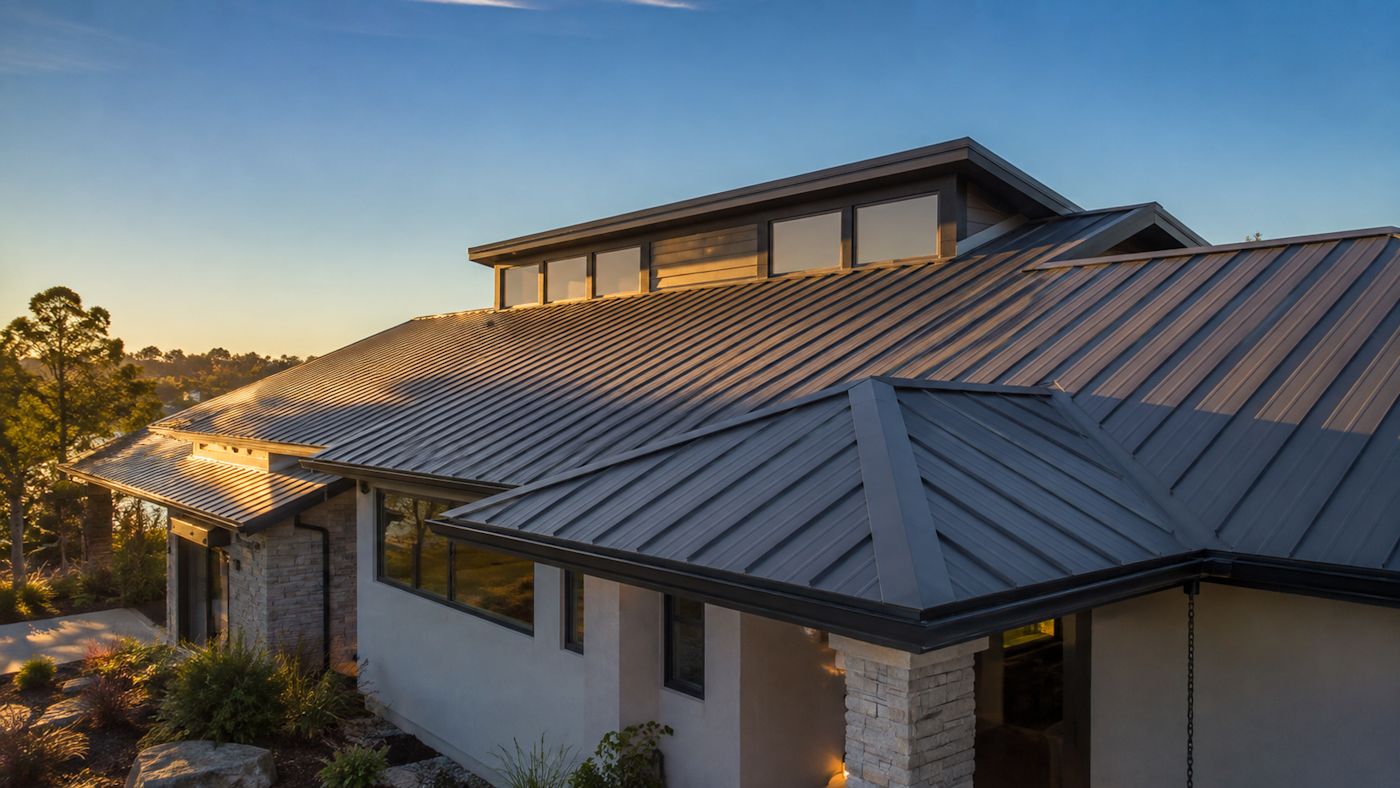
Installed cost varies by roof pitch, access, and current material removal, so treat the cost column as a starting range for a Sacramento-area quote, not a quote itself.
Roofing type | Lifespan | Wind resistance | Weight per square (100 sq ft) |
|---|---|---|---|
Exposed fastener metal | 20 to 30 years | Up to 140 mph | 50 to 150 lbs |
Standing seam metal | 40 to 70 years | Up to 140 mph | 50 to 150 lbs |
Concrete tile | 50 years | 150 to 180 mph | 900 to 1,100 lbs |
Clay tile | 50 to 100+ years | 150 to 180 mph | 850 to 1,100 lbs |
Clay tends to outlast every other option on the list, though a standing seam metal roof at 40 to 70 years will still outlive the mortgage on the house it sits on.
Metal and Tile Durability: Wind, Hail, and Moisture
Both metal and tile shed water well because both use a water-resistant underlayment beneath the visible surface, so leaks in either system usually trace back to flashing or fastener failure rather than the field material itself.
Wind resistance favors tile on paper, since clay and concrete rate to 150 to 180 mph against a metal panel's 140 mph, though both figures exceed anything the Sacramento Valley typically produces.
Hail is where the two diverge in practice. Tile's mass resists denting entirely, while unpainted or thin-gauge metal panels can show cosmetic dimpling from large hail, which affects appearance more than watertightness. Rust is rarely the failure mode people expect: Galvalume-coated steel panels resist corrosion for decades, and the metal roof more likely to fail first is one installed with mismatched fasteners that trap moisture at the seam.
Structural Weight: Can Your Roof Deck Support Tile?
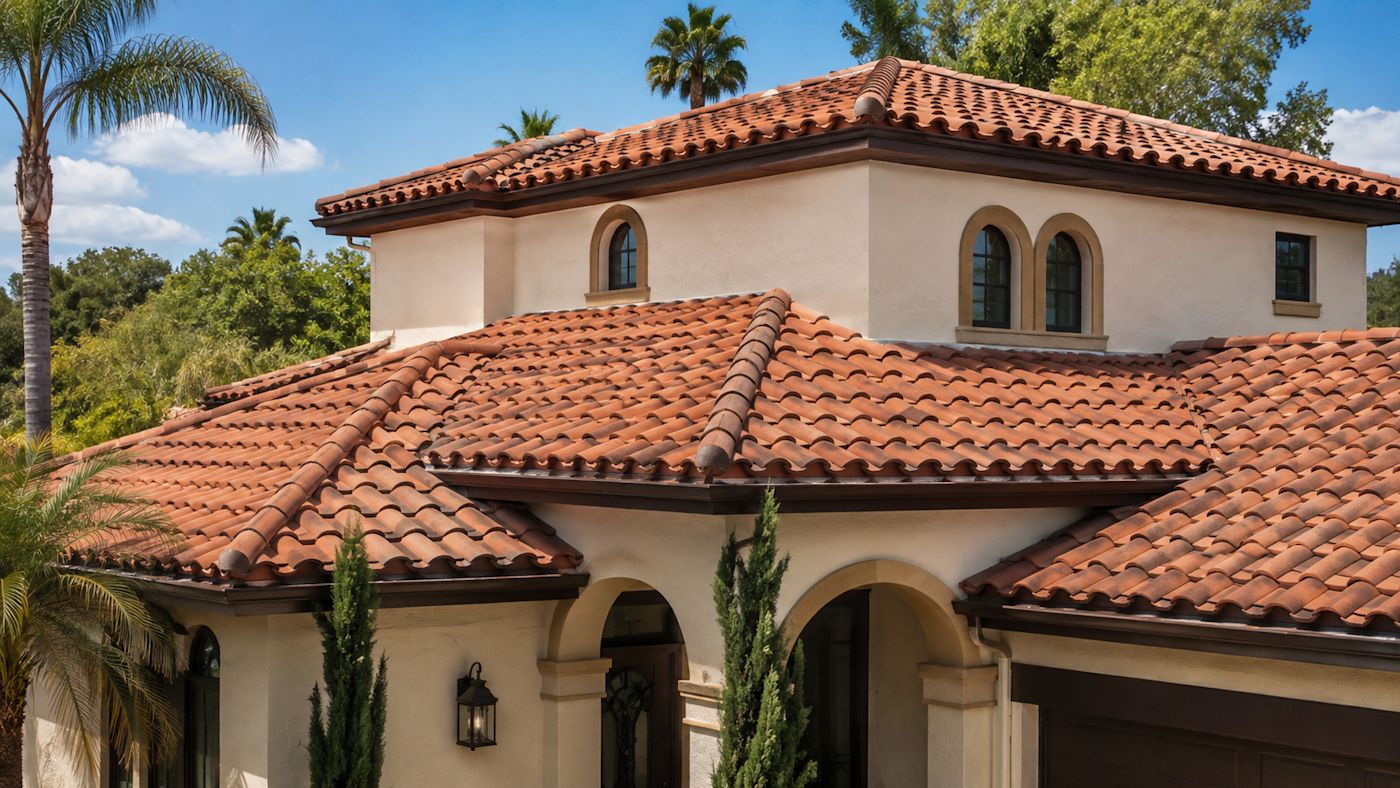
A concrete or clay tile roof adds roughly 9 to 11 lbs per square foot to a structure, compared with 0.5 to 1.5 lbs per square foot for metal panels. On a 2,000 sq ft roof, that's the difference between an added load of about 18,000 to 22,000 lbs for tile and under 3,000 lbs for metal. Older homes built for lightweight composition shingles were not always framed to carry that difference.
Before quoting a tile job, GVD Renovations checks rafter spacing and size against the tile manufacturer's load tables, because undersized framing is the reason a tile roof sags or cracks years after installation rather than a defect in the tile itself. If your rafters were sized for asphalt shingles, expect a framing engineer's sign-off or supplemental bracing as part of the tile estimate.
Homeowners Insurance: Does Roofing Material Change Your Premium?
California insurers weigh wildfire exposure more heavily than wind or hail in this region, since the Sacramento Valley rarely sees the hail damage that drives premium differences elsewhere. For homes inside a mapped fire hazard severity zone, a Class A roof paired with documented defensible space can support eligibility under the California Department of Insurance's wildfire mitigation framework and may factor into whether a carrier keeps the policy in standard markets rather than routing it to the FAIR Plan.
For flatland Sacramento Metro properties outside WUI zones, the premium gap between metal and tile is smaller and depends more on the insurer's own underwriting model than on the roofing material. Confirm any material-specific discount directly with your carrier, since programs and eligibility change by zip code and by year.
Metal and Tile Roof Noise During a Storm
Tile's mass, at 900-plus lbs per square, dampens sound transmission from rain and hail the way a heavier wall dampens sound better than a thin one. Metal panels vibrate at the frequencies rain and hail produce, and an exposed panel over open framing amplifies that sound inside the attic and the rooms below it.
Solid decking, a felt or foam underlayment, and attic insulation close most of that gap. A metal roof installed over solid sheathing with a sound-deadening underlayment reads close to shingle-quiet in normal rain; it's the panel-over-purlin installations, common on barns and outbuildings, that produce the drumming sound people associate with metal roofing.
Metal and Tile Roof Maintenance and Repair Costs
Metal roofing needs periodic fastener checks on exposed-fastener systems, since the screws that hold the panels down are the most common failure point as washers age and gaskets compress. Standing seam systems, which conceal their fasteners under the seam, avoid that specific issue but cost more to repair if a panel is damaged, since replacing one section often means removing adjacent panels to unlock the seam.
Tile roofs rarely fail from the tile itself, which can last a century, but individual tiles crack under foot traffic or falling branches and need matching replacements, which get harder to source as a tile line ages out of production. The underlayment beneath tile typically wears out well before the tile does, at roughly 20 to 30 years, which means a "50-year tile roof" often needs an underlayment-only reroof partway through its life while the tiles themselves are salvaged and reset.
Concrete Tile vs Clay Tile
Concrete tile costs less to manufacture and install than clay, and it's heavier per square, which can push a marginal roof structure past its load limit faster than clay would. Clay holds its color permanently because the pigment is fired through the material, while concrete tile's color sits mostly in a surface coating that can fade over 15 to 20 years of Sacramento Valley UV exposure.
Metal and Tile Roof Recyclability and Environmental Impact
Steel roofing panels commonly contain a substantial share of recycled content and are fully recyclable at the end of their service life, though the exact percentage varies by manufacturer and product line. Clay and concrete tile are made from inert mineral material that doesn't off-gas or leach, and because a clay roof can outlast the house it's on, it may never enter a landfill at all. Neither material generates the volume of tear-off waste that a 15 to 20-year asphalt shingle replacement cycle produces.
Do I Need a Permit for Roofing in Sacramento?
A roofing permit is required for most Sacramento County reroofs; typical review and issuance timelines and current fee schedules should be confirmed at Sacramento County Citizen Access Portal. Skipping the permit exposes the homeowner to stop-work orders and complications at resale, since an unpermitted reroof typically surfaces during the buyer's inspection or title search. GVD Renovations handles the permitting process, whether that runs through the City of Sacramento, Sacramento County, or a neighboring jurisdiction.
Which Roof Fits a Sacramento Home?
Choose standing seam metal if your framing was built for a lightweight material, you want a 40-to-70-year roof without a structural upgrade, and you're comfortable with a mid-range material cost. Choose clay or concrete tile if your home is already framed for it, or if you're building new and want the longest lifespan available in steep-slope roofing, and you've budgeted for the framing review tile requires. In practice, the deciding factor for most Sacramento Metro reroofs is what's already on the house, since replacing tile with tile or metal with metal avoids the structural question entirely.
GVD Renovations installs both metal and tile roofing across the Sacramento Metro area and inspects the existing deck and framing during every estimate before recommending either material. A dedicated project manager runs the permitting, scheduling, and quality checks on your job from the first walkthrough to the final inspection.
Get a Fixed-Price Roofing Quote for Your Sacramento Home
Whichever material fits your roof, get the framing checked before you commit to tile and get the fire and energy code requirements confirmed before you commit to either. GVD Renovations offers a free in-home consultation for Sacramento Metro homeowners weighing metal against tile, and every estimate comes as a written, fixed-price quote with the full scope of work, so the number you approve is the number you pay. Contact GVD Renovations to schedule your roofing consultation.
Reviewed by GVD Renovations, a licensed general contractor. Project specifics vary; contact us for a personalized assessment. Prices and product details may have changed since publication. Brand mentions reflect professional opinion, not endorsements.
Reviewed by our team at GVD Renovations, a licensed general contractor. While we strive for accuracy, project specifics vary — contact us for a personalized assessment. Product details, specifications, or warranties may have changed since publication. Brand and product mentions reflect our professional opinion, not endorsements or guarantees.
Tags: roofing, metal roof, tile roof,
Written by Paul Kho