In the world of kitchen and bathroom design, choosing the right countertop material is crucial. Among the myriad options available today, dolomite countertops have gained significant popularity. Known for their aesthetic appeal and durability, dolomite countertops can be an excellent choice for homeowners seeking a blend of beauty and functionality. This article delves into everything you need to know about dolomite countertops, ensuring you make an informed decision.
What is Dolomite?
Dolomite is a natural stone composed primarily of the mineral dolomite, a calcium magnesium carbonate. It forms through a process of dolomitization, where limestone is subjected to heat and pressure over thousands of years, transforming it into a unique and versatile material. Dolomite is often quarried in large slabs, which are then cut and polished for use in various applications, including countertops.
Why Choose Dolomite Countertops?
Dolomite countertops bring several benefits to the table:
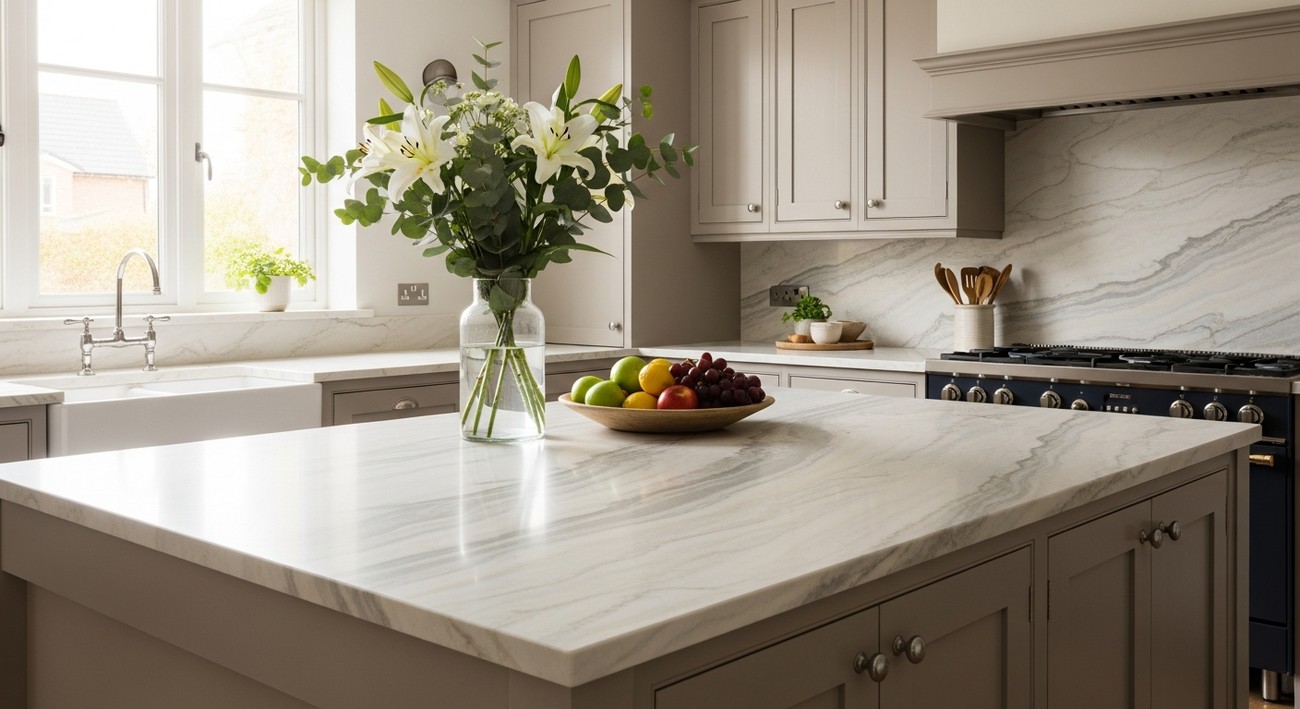
Aesthetic Appeal: Dolomite is renowned for its exquisite marble-like appearance. It features a range of colors, from soft whites and greys to deeper hues, often with beautiful veining patterns that resemble high-end marble.
Durability: Known for its robustness, dolomite is harder than marble yet softer than granite, making it a sturdy choice for kitchen and bathroom countertops.
Versatility: Thanks to its varied color palette and elegant look, dolomite complements a wide array of interior design styles, from modern to traditional.
Cost-Effective: Dolomite typically costs less than marble, offering a similar aesthetic without the hefty price tag.
Installation Process
When installing dolomite countertops, selecting a professional with experience handling natural stone is essential. Here's a step-by-step overview of the installation process:
Selection and Measurement: Choose your dolomite slab based on your design preferences. Ensure accurate measurements of your countertop area to minimize waste and ensure a perfect fit.
Cutting and Shaping: The chosen slab is cut to size and shaped according to your space's specifications. This step requires precision to ensure clean edges and correct dimensions.
Polishing: The surface of the cut slabs is polished to bring out dolomite's natural luster and sheen, enhancing its appearance and protecting it from stains.
Installation: The polished slabs are carefully installed on your kitchen or bathroom counters, ensuring they are level and secure.
Sealing: Once installed, a high-quality sealant is applied to protect the surface from stains and moisture penetration, prolonging the life of your countertops.
Caring for Dolomite Countertops
Maintaining the beauty and durability of dolomite countertops is relatively straightforward if you follow these essential care tips:
Cleaning: Use a mild soap and water solution for daily cleaning. Avoid harsh chemicals or abrasive cleaners that can damage the surface.
Preventing Stains: Always use cutting boards and trivets. Wipe spills immediately to prevent staining, especially from acidic substances like wine or lemon juice.
Regular Sealing: Reapply sealant every 6 to 12 months to maintain the stone's resistance to stains and damage.
Comparing Dolomite to Other Natural Stones
When choosing your countertop material, it's helpful to compare dolomite with other popular natural stones:
Dolomite vs. Marble: Dolomite is more resistant to scratches and slightly more durable than marble, making it suitable for high-traffic areas.
Dolomite vs. Granite: While granite is harder and more scratch-resistant, dolomite offers a similar aesthetic at a lower cost and is generally easier to repurpose.
Dolomite vs. Quartzite: Although quartzite is more robust, dolomite offers a softer, more subtle veining pattern often preferred by homeowners looking for a less dramatic appearance.
Design Ideas and Inspiration
Incorporating dolomite countertops into your space can transform your kitchen or bathroom. Consider these design inspirations:
Classic Elegance: Pair light-colored dolomite with white or cream cabinets for a timeless, elegant look.
Modern Flair: Use darker dolomite hues with sleek, minimalistic hardware and fixtures to achieve a contemporary style.
Rustic Charm: Combine natural wood elements with dolomite's subdued patterns for a warm, inviting atmosphere.
Dolomite Countertops FAQ
How durable are dolomite countertops?
Dolomite countertops are known for their robustness and long-lasting nature. Dolomite rock is denser than marble, which makes it less prone to scratches, dents, and dings. This durability is a key reason why many homeowners opt for dolomite as it withstands the challenges of daily kitchen life remarkably well. Compared to other natural stone options, dolomite countertops are incredibly resilient to wear and tear, offering a dependable surface for your culinary adventures.
Are dolomite countertops heat-resistant?
Yes, dolomite countertops exhibit excellent heat resistance, making them a favorable choice for kitchen spaces. The stone can endure exposure to moderate heat from pots and pans, although it’s still advisable to use trivets or hot pads to protect the surface from extreme temperatures. The naturally occurring minerals in dolomite crystalize under high temperatures, providing the slabs with their heat-resisting properties, which keeps your countertops safe from accidental scorches.
How do you care for dolomite countertops?
Caring for dolomite countertops is straightforward. Regular cleaning with a mild detergent and warm water is sufficient to keep them spotless. Avoid using harsh chemicals or acidic cleaners which can damage the stone's surface. It’s recommended to seal dolomite countertops periodically, typically once every couple of years, to maintain their resistance to stains and spills. By integrating these steps into your regular cleaning routine, you’ll ensure that your dolomite surfaces retain their quality and beauty over the long term.
Do dolomite countertops stain easily?
Dolomite countertops are less porous than other natural stones like marble, making them more resistant to staining. However, they are not entirely stain-proof. Spills, especially those involving acidic substances such as wine, coffee, or citrus, should be wiped up promptly to prevent potential etching or staining. Sealing your countertops regularly will bolster their defenses against stains, ensuring that they continue to look pristine and attractive.
Are dolomite countertops available in different colors and patterns?
Absolutely, dolomite countertops come in a variety of colors and patterns. Typically, they showcase a range of hues from light to medium tones, including greys, whites, and beige. These slabs often feature striking veining, which adds an elegant and sophisticated look to any kitchen. Every slab of dolomite is unique, so depending on your choice, you can create a distinctive and stylish aesthetic for your home that complements your personal design preferences.
How do dolomite countertops compare in cost to other materials?
Dolomite countertops are typically more affordable than other high-end natural stones like quartzite or granite. The price can vary based on the complexity of the installation and the grade of the stone selected. Dolomite provides a luxurious look at a more budget-friendly price point, making it a popular choice for homeowners seeking elegance without the premium associated with other materials. By selecting dolomite, you can achieve a stunning kitchen or bathroom design without exceeding your budget.
Can dolomite countertops be used outdoors?
While dolomite countertops can technically be used outdoors, it’s important to consider their exposure to extreme weather conditions. Dolomite is more adaptable to indoor environments where temperature and humidity are controlled. Prolonged exposure to heavy rain, snow, or direct sunlight can affect the surface quality over time. If you choose dolomite for an outdoor application, regular sealing and a protective cover when not in use can help extend its lifespan significantly.
How does the installation process for dolomite countertops work?
The installation process for dolomite countertops involves several steps, starting with precise measurements and crafting the slab to fit your space. A professional installer will then ensure the countertops are level and secured properly. It's crucial to hire experienced professionals for this task, as dolomite can be heavy and may require special handling to prevent breakage during installation. Once installed, the countertops are typically sealed to enhance their resistance to stains, followed by a final polish for optimum shine and appeal.
Is it necessary to seal dolomite countertops?
Sealing dolomite countertops is highly recommended to maintain their aesthetic appeal and functional integrity. While dolomite is less porous than marble, sealing helps prevent absorption of liquids, reducing the potential for stains. Most experts suggest sealing your dolomite countertops every one to two years, depending on the level of use and wear they experience. Regular sealing acts as an additional safeguard, ensuring your dolomite countertops remain beautiful and durable for years to come.
Exploring the Pros and Cons of Dolomite Countertops
Pros
Durability That Shines
Dolomite is known for its impressive durability. This natural stone is considerably stronger than marble, making it a fantastic choice for those looking for a robust countertop. If you’re someone who spends a lot of time cooking or hosting, you'll appreciate how well these countertops handle the hustle and bustle of a lively kitchen without easily scratching or chipping.
Stunning Aesthetic Appeal
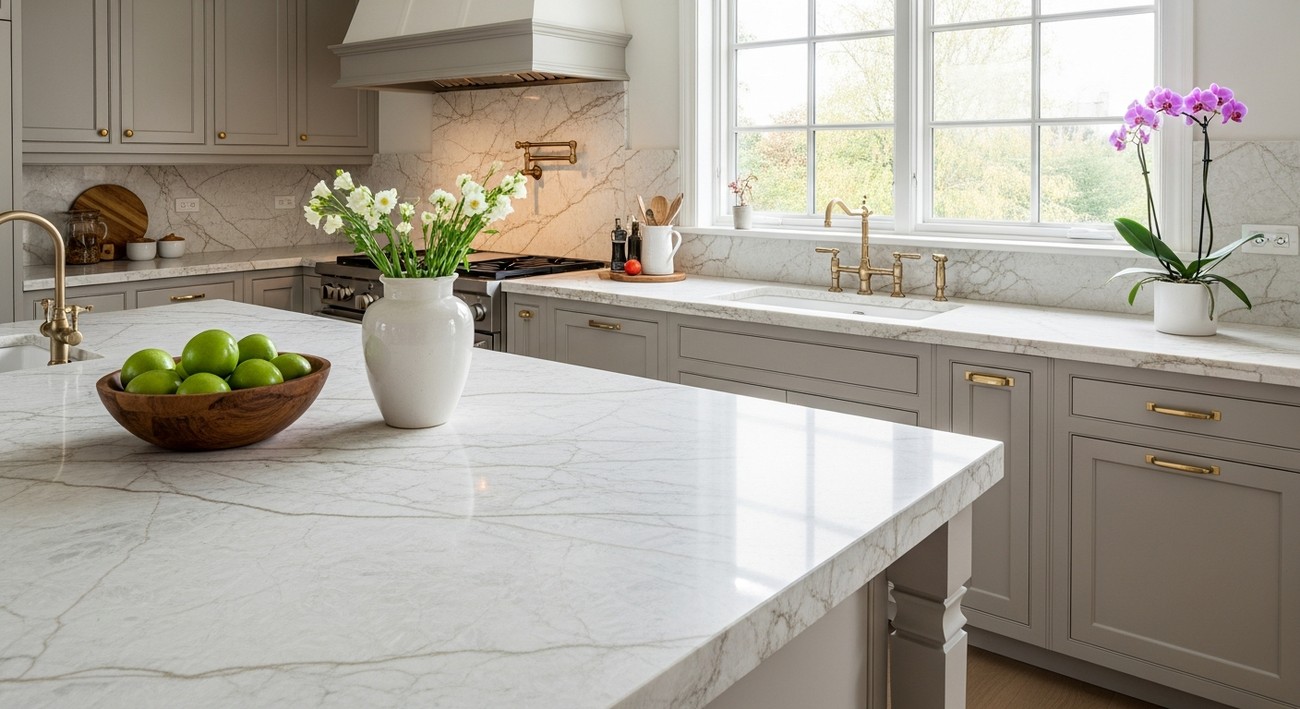
Visually, dolomite stands out with its unique veining patterns and soft coloration, often featuring hues of whites, grays, and creams. It brings an elegance akin to marble but with its distinct characteristics. If aesthetics emotionally move you, dolomite can be an ideal way to elevate your space’s visual appeal while maintaining a natural look.
Heat Resistance
For the avid chef or baker, dolomite's heat resistance is a huge plus. You can place hot pots and pans directly on the surface without worrying about leaving scorch marks. This makes dolomite not only visually appealing but also practical in a busy kitchen setting.
More Affordable Than Marble
While dolomite carries a premium appearance, it’s typically more budget-friendly than marble. You get that classy vibe without the hefty price tag, which is excellent if you're looking to revamp your kitchen or bathroom without breaking the bank.
Less Porous Surface
Dolomite offers a less porous surface compared to other stones like marble. This means it’s less likely to harbor bacteria or stains from spills, especially if it's properly sealed. It's a definite advantage if hygiene and maintenance are top of mind for you.
Cons
Limited Color Options
While dolomite’s subtle beauty is undeniable, it tends to come in a more limited color palette compared to other natural stones like granite. If you're hoping for a broad range of bold colors, dolomite might not fully meet your design aspirations.
Potential for Etching
Dolomite isn’t invincible, and one of its Achilles' heels is its susceptibility to etching from acids. Lemon juice, vinegar, or even wine can cause dull spots if not wiped up quickly. If you entertain a lot, being mindful of spills becomes more critical.
Regular Sealing Required
Even though dolomite is less porous than marble, it still requires regular sealing to maintain its integrity and appearance. If you prefer a low-maintenance countertop solution, the upkeep needed for dolomite might feel like a chore over time.
Can Be Prone to Scratching
Though it’s tougher than marble, dolomite is softer than granite. This means there’s still a chance of encountering scratches, especially if you aren’t using cutting boards or are less careful with heavy kitchenware.
Possible Difficulty in Repairs
In the event that your dolomite countertop gets damaged, repairs could pose a challenge. Matching the stone’s natural veining and color during repairs calls for a skilled professional, and it might still be tricky to achieve a seamless look.
Final Thoughts
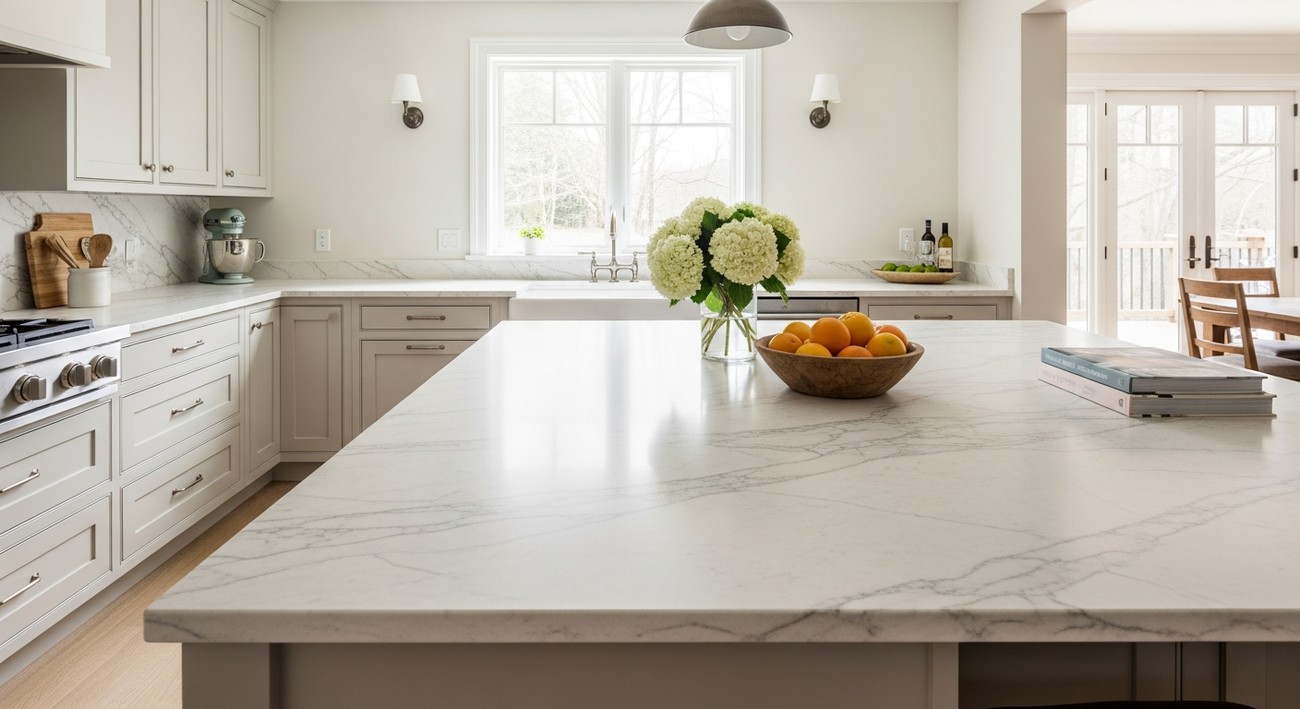
Dolomite countertops offer a beautiful blend of elegance and durability, making them a fantastic choice for homeowners looking to upgrade their spaces. With a variety of colors and patterns, these surfaces can enhance any kitchen or bathroom, all while being more affordable than some other natural stones. Their ability to withstand heat, scratches, and stains means that you can enjoy both their beauty and functionality without constant worry.
If you're considering dolomite countertops for your home in Northern California, we're here to help. At GVD Renovations & Remodeling, we pride ourselves on delivering personalized service tailored to your specific needs. Feel free to reach out to us for any questions or to schedule a consultation. We're excited to assist you in transforming your home with the stunning appeal of dolomite!
Reviewed by our team at GVD Renovations, a licensed general contractor. While we strive for accuracy, project specifics vary — contact us for a personalized assessment. Product details, specifications, or warranties may have changed since publication. Brand and product mentions reflect our professional opinion, not endorsements or guarantees.
Tags: kitchen, renovation, stone,


Written by Sam Rutkevich, Renovation Specialist ·