Energy Efficient Windows
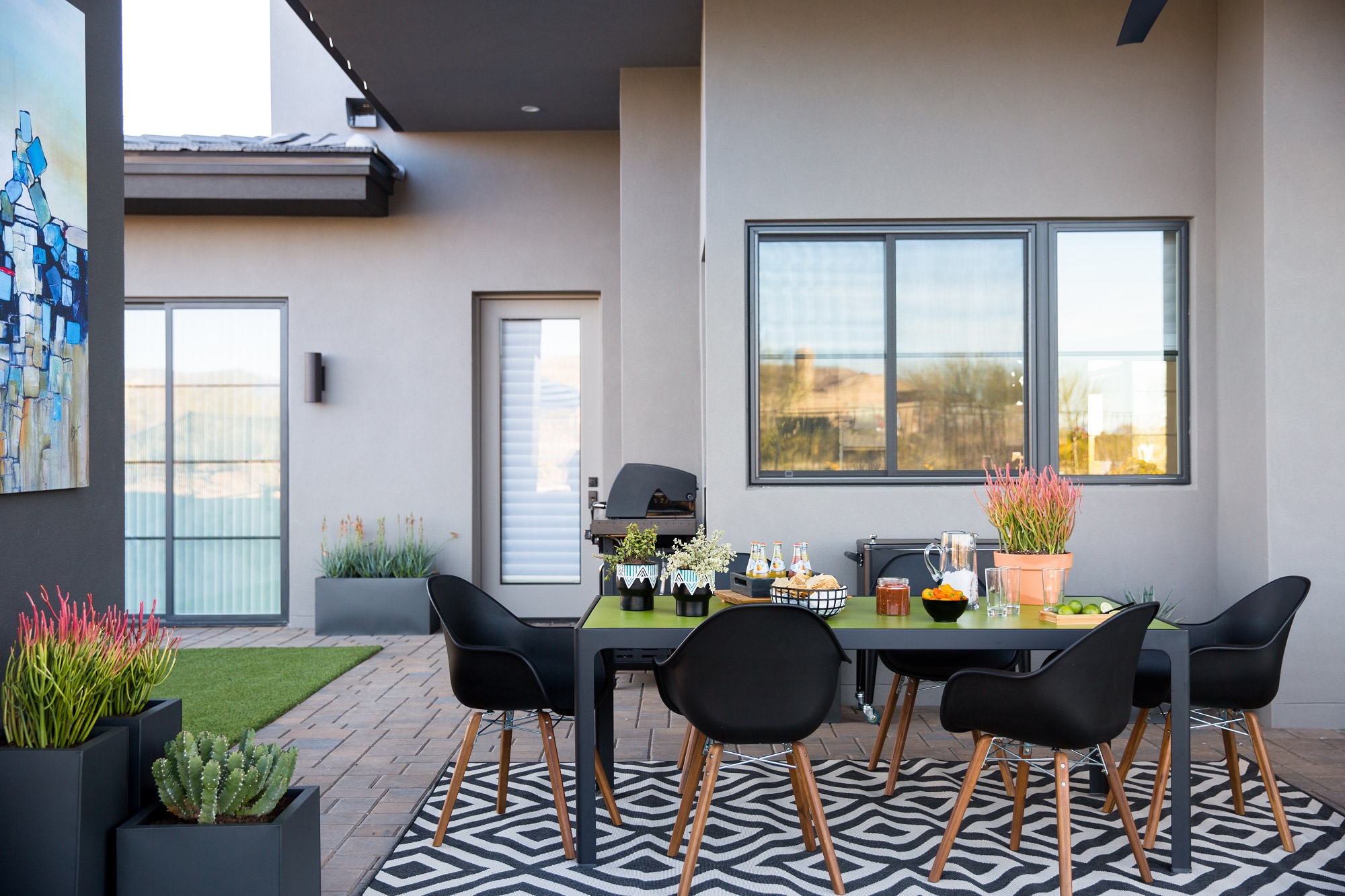
Keep the cool air in while maximizing your home's energy efficiency with Energy Efficient Windows.
Custom New & Replacement Windows Installation
We Install Replacement Windows that are Energy Star® Rated, Energy-Efficient Windows and Custom Fit for Your Home! Add comfort, improve your home's value and save on heating and cooling costs.


Tap images to enlarge
See More Recent Projects →Watch What Some of Our Clients Have to Say
Trusted by Thousands of Homeowners Across Northern California


Energy Efficient Window Installation in Sacramento and the Bay Area
Drafty, single-pane or aging vinyl windows push your Sacramento air conditioner harder every July afternoon. We install Energy Star® rated replacement windows, custom fit to your openings, so the glass and frame stop passing summer heat into your rooms.
Request a free quote and expert window advice
Custom Replacement Window Installation for Your Home
Our current discount of up to $750 applies to new vinyl windows that we measure and install, so the work stays in one set of hands from the first measurement to the final check. One accountable team handles the job, and a dedicated project manager coordinates scheduling, communication and quality checks. You get a firm total price in writing before work starts.
The styles we install include:
Double hung and single hung
Casement
Bay and bow
Garden windows
What Clients Say About Our Window Work
Before you invite anyone to measure your house, check how their work held up for past clients. GVD Renovations holds an A+ rating from the Better Business Bureau and strong ratings across hundreds of verified reviews on Google, Yelp and other platforms. Read the reviews by name and project.
What Makes a Window Energy Efficient
To judge any installer's recommendation, ours included, you need to know what drives a window's performance. Four features decide how much heat a window lets through, namely the number of glass panes, the coating on the glass, the gas between the panes, and the frame.
Double pane glass traps a sealed air space between two sheets, which slows heat flow compared with a single sheet. Low-E coating is a thin metallic layer that reflects infrared heat, so summer heat stays outside. Argon or krypton fill conducts less heat than air, which improves the sealed space further.
Triple pane adds a third sheet and costs more. In Sacramento, where cooling loads dominate and winters are mild, the extra pane rarely repays its price. Double pane with a Low-E coating chosen for solar control is the type most homes here need.
Why Sacramento Summers Change Which Windows Pay Off
Sacramento lies in the inland valley, where triple-digit summers make cooling the biggest energy cost. Sacramento sees triple-digit days every summer, so glass that blocks solar heat matters more here than glass that holds in winter warmth.
Bay Area conditions vary by city. Coastal and bayside homes face fog and mild temperatures, while Concord and Walnut Creek run hot and inland, much like Sacramento. San Jose is milder. We match the glass coating to your address, not to a single regional default.
How to Read the NFRC Label and Choose Ratings
The NFRC label on every rated window gives you numbers you can compare across brands. Two numbers drive the decision in this climate.
| Rating | What it measures | Lower or higher is better |
|---|---|---|
| U-factor | Heat flowing through the whole window | Lower |
| SHGC (solar heat gain coefficient) | Share of sun's heat entering the room | Lower for Sacramento |
| Visible transmittance | Share of daylight passing through | Higher |
| Air leakage | Drafts through the window assembly | Lower |
For Sacramento, prioritize a low SHGC, then a low U-factor. A low SHGC blocks sun heat before it enters the house, which is the problem you pay to cool.
Title 24 Requirements and Sacramento's Climate Zone 12
California divides the state into 16 Title 24 climate zones, and Sacramento falls in Climate Zone 12. Each zone carries its own window limits for U-factor and SHGC.
The 2025 standard, in effect since January 1, 2026, sets a maximum U-factor of 0.27 and a maximum SHGC of 0.23 for Zone 12 replacement windows; replacing 75 square feet of windows or less allows 0.40 and 0.35. Your window's NFRC label shows whether it meets the limit. We confirm compliance before ordering.
Commercial buildings follow the separate nonresidential Title 24 standard, which sets its own limits by climate zone and window type.
Best Frame Materials for Hot Climates
Frame material is the next factor in meeting those limits, because aluminum conducts heat far faster than vinyl, so a plain aluminum frame carries Sacramento heat straight through to your interior. Thermally broken aluminum adds a plastic barrier inside the metal, which narrows the gap but does not close it.
Thermally broken aluminum usually has a higher (worse) whole-window U-factor than vinyl or fiberglass with comparable glass, and many vinyl and fiberglass windows with low-E glass meet the 0.27 limit. For Sacramento heat and Title 24, vinyl or fiberglass is the safer choice.
| Frame material | Installed cost per window, Sacramento | Heat performance in Sacramento |
|---|---|---|
| Vinyl | $500 to $600 | Strong insulator, lowest price |
| Fiberglass | $900 to $2,000+ | Strong insulator, rigid frame |
| Composite | $550 to $1,900 | Good insulator, wide price spread |
| Wood | $800 to $3,000+ | Good insulator, needs upkeep |
| Wood-clad | 10% to 15% above unclad wood | Wood interior, exterior shell takes the sun |
Wood-clad suits you if you want a wood interior without repainting the exterior.
Downsides of Low-E Glass
Low-E coatings reflect heat, and they also slightly reduce visible light and can tint the glass. Coatings built for solar control give the strongest summer protection but make rooms a little dimmer and may change how your view looks.
The other tradeoff is winter: a solar-control coating blocks some free passive heat from the sun. In Sacramento, where cooling costs outweigh heating, that tradeoff favors the coating. We show you sample glass in daylight so you judge the tint before you order.
Window Film and Coverings Compared With Replacement
Solar window film is the cheapest way to cut heat on windows that are otherwise sound. It reflects part of the sun's energy, but it does not improve the frame or the seals, so drafts and fogged glass remain.
Film also darkens the room and can void a glass manufacturer's warranty. Film can also trap heat in the glass and crack older single-pane units. Window film suits a short-term fix, while replacement fixes the actual problem.
Exterior shades and awnings block heat before it reaches the glass, so they outperform interior blinds or curtains, which let heat enter first. Insulated cellular shades help but do not match a Low-E double pane window.
Replacement Window Cost and Expected Savings in Sacramento
Installed prices run $500 to $600 per window for vinyl up to $3,000+ for wood (see the frame table above). A whole house of ten windows in vinyl lands at roughly $5,000 to $6,000 before any discount.
ENERGY STAR estimates that replacing older double-pane, clear-glass windows saves about $253 to $373 a year on average, depending on climate, so energy savings alone take many years to repay a replacement. Your decision should also weigh comfort and condition.
Replace now if you see fogged glass, drafts, brittle or cracked frames, or sashes that no longer lock. If they still open, seal and look sound, you can wait.
Federal 25C Tax Credit Status for 2025 and 2026
The 25C credit paid 30% of qualifying window costs, capped at $600 per year for windows. It applied to Energy Star Most Efficient windows and covered work placed in service through December 31, 2025.
Federal legislation ended the credit after 2025, so windows installed in 2026 do not qualify. Confirm your own tax situation with a tax adviser.
Permits and the Cost of Unpermitted Work
Some jurisdictions require a permit for window replacement and some do not. It depends on whether you change the opening size or structure. When a permit is required, GVD handles the permitting process through the City of Sacramento or your county.
Unpermitted work can surface when you sell. It can also surface when an insurer inspects after a claim, or when a building official orders it opened up. Ask any installer whether your project needs one before you sign.
Commercial Windows Compared With Residential Windows
Business owners should know how commercial windows differ, because commercial projects follow different products and different energy rules than homes. Commercial buildings typically use aluminum storefront and curtain-wall systems with thermal breaks. Homes use vinyl, fiberglass or wood. Commercial glass must meet nonresidential Title 24. It must also meet commercial NFRC ratings.
GVD performs residential, multifamily and commercial renovations. For a business, ask whether any SMUD commercial incentives apply. Commercial window replacement in Sacramento typically costs $90 to $180 per square foot installed.
Plan Your Installation
We bring the tools to measure your openings at the free in-home consultation, then give you a detailed fixed-price proposal and a timeline for completion. If you are unsure which windows fit, we recommend frame, glass and style for your address.
Book a free window quote and get a firm fixed price
Why Homeowners Choose Us
Our design showroom in Rocklin lets you handle samples in person before or after you book a quote.
Our family-owned company runs that showroom, so you can compare frame styles and finishes in person.
A single point of contact manages your project.
When a permit is required, we handle the permitting process.
We offer combo, senior and military discounts.
We are an Andersen Certified Contractor and an Anlin Certified and Authorized Dealer.
We carry full liability and workers' compensation insurance. Our California contractor license is #989637.
Financing and Insurance
Financing is offered through third-party lenders, with flexible payment options. Approval, rates and terms depend on credit profile, and not all applicants qualify. Checking eligibility takes minutes and does not affect your credit score.
Areas We Serve
We install windows in Sacramento, Roseville, Folsom, Elk Grove, Davis, Rocklin, Lincoln, Granite Bay and El Dorado Hills. In the Bay Area we serve Oakland, Berkeley, Concord, Walnut Creek, San Jose, Novato, Petaluma, Santa Rosa and the North Bay.
Save on Energy With Efficient Windows
Replacing failing windows with Low-E, double pane vinyl or fiberglass cuts the heat your air conditioner removes each summer.
Try Our 3D Home Design Visualizer!
Ready to explore the possibilities for your home? Snap a photo to get started or spark your imagination with our sample homes.
Start Designing

We are fully insured with worker's compensation and general liability insurance to safeguard you and your home during our work.


GAF Certified Roofing Contractor


2025 James Hardie Service Excellence Award


LP Certified Installer Certificate


Angie's List Super Service Award

VSI Certified Installer

Best of Houzz 2020 Service Award


Financing made simple
- Fast application process
- Flexible payment options
- Check eligibility in minutes
Financing is offered through third-party lenders. Approval, rates, and terms depend on credit profile. Not all applicants qualify.
Checking eligibility will not impact your credit score

4.6/5

4.9/5

A+

5/5

5/5

5/5

5/5

4.8/5
5/5


“GVD was top notch all the way! They gave me the personalized attention bigger companies lack, and answered all of my (many) questions clearly. Gary the salesperson sold me on GVD, and everything he said was true! Danielle the designer took my fledgling ideas and made very useful suggestions and improvements. Max, the project manager, gave me regular updates, and the project was completed faster than I expected. The fabricator did a nice job with the stone.Sergei, Bogden, and the many other crew members and contractors showed up on time, and were pleasant, professional and trustworthy. Max explained the charges and payment was easy. Highly recommended.”

“Great pricing. The crew was experienced , kept the job site clean and addressed any issues I had. Would recommend for your future projects!”

“Our kitchen, like our home more generally, dates to the late 1940s. Our cabinets were beginning to fall apart. Our vinyl flooring was at the end of its useful life. The countertops were simply outdated. The layout of the kitchen was neither pleasing to look at nor efficient to use. We did our due diligence, getting visits and quotes from six different construction renovation firms. We chose GVD Renovations based on their first visit, in which they provided us with how the kitchen could be renovated and modernized. I really don't need to say more than we now have our dream kitchen (very lived in with just baked bread on the counter and puppy waiting to go for a treat. We highly recommend GVD. They were great, professionals from start to finish. WOW!”

“We went with GVD for our the kitchen remodel… I was working from home so I kept an eye on the demo... to their credit they actually put up zip-walls to keep the dust out of the living area. The cabinet install is usually where things go south... but I made sure they were intact and in perfect condition upon arrival. - SUGGESTION - Let them handle the material ordering. I tried to source my own sink and it held things up. WARNING - They are a bit pricey. You aren't getting a bargain deal if you go with gvd BUT you also aren't getting a half-finished job. I am satisfied with the work and quality. If you want it done right GVD is a safe bet.”

“Ross G was an amazing project manager. Love the new kitchen design and the custom cabinets. Definitely recommend”

“We had an excellent experience working with GVD. A big thank you to Patrick, Vadim, Greg, Maria, and the entire crew for the outstanding work on our siding, windows, stucco repairs, and painting. The quality of workmanship was excellent, and the entire project was completed efficiently in just a little over two weeks. The team was highly professional, well organized, and communicated clearly throughout the process. The crews were punctual, respectful, and kept the job site clean every day, which we truly appreciated. We are very happy with the final results and impressed by how smoothly everything was executed from start to finish. GVD is a professional, reliable company, and we would definitely recommend them to anyone looking for high-quality exterior renovation work. Highly recommended.”

“GVD Renovations did a phenomenal job fixing all the dry rot at our place. The new siding the fascia and all the soffits look SOOO nice! I would definitely use this company again.”

“I highly recommend this company! Patrick was surprisingly incredibly genuine when he came out to give me an estimate. He was 100% honest with me when he told me that their company wouldn’t be the lowest or the highest in price range, that they would most likely be somewhere in the middle. He brought samples for me to look at along with photos of some recently completed siding projects. The time and attention that Patrick took to spend with me just solidified my decision to go with his company. I wanted to be very thorough so I did get multiple estimates even after meeting with Patrick and honestly, GVD's bid blew all of the others out of the water. Not necessarily in price because he was 100% correct, it was in fact right in the middle of all of the other bids I had received. However, I had been getting more and more anxious about the work I wanted done and the time I wanted it done in but the way Patrick just kind of stopped in and laid everything out for me just put me at ease and even got me excited about it again. Also, Even though all the companies had their name on the estimates, I really liked that Patrick also actually handed me his business card as well, which none of the other company representatives had even bothered to. It just kind of made me trust him even more. I'm not really even sure why, but it was awesome. ANYWHO- I also wanted to mention how incredibly respectful and courteous every single person that was on his crew was during the entire project. It was a huge relief to not have to worry about any issues with them while they were on my property, especially when it comes to any issues with my neighbors, whicih there were no issues there either. My new siding, windows, and gutters look absolutely fantastic! I am 100% ecstatic! Thank you GVD!!!”

“GVD was an awesome company to work with during my kitchen remodel. Most of the workers are employees of GVD so they have a vested interest in customer satisfaction. GVD is also able to control schedules internally which was a huge asset! From the designer, Danielle to the project managers Ross and Ben, every worker was experienced and provided exceptionally skilled work. Excellent quality materials were used. Thank you GVD for my beautiful new kitchen!”

“Gvd’s staff and constructors are knowledgeable and well skilled. I particularly enjoyed working with Eugene during the Constuction.”

“Excellent skilled service throught out the project.”

“GVD did an outstanding job remodeling our guest bathroom! We converted a tub/ shower to shower only, replaced the vanity, toilet and floor. They worked with me because I purchased some of the materials toilet vanity etc. Viktor was my installer and he was great as were the project manager.”

“We were looking for a siding replacement contractor who did dry rot repair. The moment we met Nik, we knew we’d found the right person. From start to finish, GVD handled the entire repair with real professionalism and a steady focus on doing things the right way. We wanted the damaged areas restored properly, not patched, and what they delivered was far better than we expected. I’ll be honest, yes, you can find cheaper quotes out there. But when you’re dealing with the structure of your home and the long term health of the wood, you really do get what you pay for. The work was solid and absolutely worth what we paid. If you want a reliable siding company, GVD is the one.”

“Very responsive, gave me daily updates with photos, happy we found them, beautiful job, would use them again.”

“What stood out to me about GVD is the quality of materials they use. James Hardie siding, Anlin windows, all top-tier products. Easy company to recommend.”
“GVD was top notch all the way! They gave me the personalized attention bigger companies lack, and answered all of my (many) questions clearly. Gary the salesperson sold me on GVD, and everything he said was true! Danielle the designer took my fledgling ideas and made very useful suggestions and improvements. Max, the project manager, gave me regular updates, and the project was completed faster than I expected. The fabricator did a nice job with the stone.Sergei, Bogden, and the many other crew members and contractors showed up on time, and were pleasant, professional and trustworthy. Max explained the charges and payment was easy. Highly recommended.”
“Great pricing. The crew was experienced , kept the job site clean and addressed any issues I had. Would recommend for your future projects!”
“Our kitchen, like our home more generally, dates to the late 1940s. Our cabinets were beginning to fall apart. Our vinyl flooring was at the end of its useful life. The countertops were simply outdated. The layout of the kitchen was neither pleasing to look at nor efficient to use. We did our due diligence, getting visits and quotes from six different construction renovation firms. We chose GVD Renovations based on their first visit, in which they provided us with how the kitchen could be renovated and modernized. I really don't need to say more than we now have our dream kitchen (very lived in with just baked bread on the counter and puppy waiting to go for a treat. We highly recommend GVD. They were great, professionals from start to finish. WOW!”
“We went with GVD for our the kitchen remodel… I was working from home so I kept an eye on the demo... to their credit they actually put up zip-walls to keep the dust out of the living area. The cabinet install is usually where things go south... but I made sure they were intact and in perfect condition upon arrival. - SUGGESTION - Let them handle the material ordering. I tried to source my own sink and it held things up. WARNING - They are a bit pricey. You aren't getting a bargain deal if you go with gvd BUT you also aren't getting a half-finished job. I am satisfied with the work and quality. If you want it done right GVD is a safe bet.”
“Ross G was an amazing project manager. Love the new kitchen design and the custom cabinets. Definitely recommend”
“We had an excellent experience working with GVD. A big thank you to Patrick, Vadim, Greg, Maria, and the entire crew for the outstanding work on our siding, windows, stucco repairs, and painting. The quality of workmanship was excellent, and the entire project was completed efficiently in just a little over two weeks. The team was highly professional, well organized, and communicated clearly throughout the process. The crews were punctual, respectful, and kept the job site clean every day, which we truly appreciated. We are very happy with the final results and impressed by how smoothly everything was executed from start to finish. GVD is a professional, reliable company, and we would definitely recommend them to anyone looking for high-quality exterior renovation work. Highly recommended.”
“GVD Renovations did a phenomenal job fixing all the dry rot at our place. The new siding the fascia and all the soffits look SOOO nice! I would definitely use this company again.”
“I highly recommend this company! Patrick was surprisingly incredibly genuine when he came out to give me an estimate. He was 100% honest with me when he told me that their company wouldn’t be the lowest or the highest in price range, that they would most likely be somewhere in the middle. He brought samples for me to look at along with photos of some recently completed siding projects. The time and attention that Patrick took to spend with me just solidified my decision to go with his company. I wanted to be very thorough so I did get multiple estimates even after meeting with Patrick and honestly, GVD's bid blew all of the others out of the water. Not necessarily in price because he was 100% correct, it was in fact right in the middle of all of the other bids I had received. However, I had been getting more and more anxious about the work I wanted done and the time I wanted it done in but the way Patrick just kind of stopped in and laid everything out for me just put me at ease and even got me excited about it again. Also, Even though all the companies had their name on the estimates, I really liked that Patrick also actually handed me his business card as well, which none of the other company representatives had even bothered to. It just kind of made me trust him even more. I'm not really even sure why, but it was awesome. ANYWHO- I also wanted to mention how incredibly respectful and courteous every single person that was on his crew was during the entire project. It was a huge relief to not have to worry about any issues with them while they were on my property, especially when it comes to any issues with my neighbors, whicih there were no issues there either. My new siding, windows, and gutters look absolutely fantastic! I am 100% ecstatic! Thank you GVD!!!”
“GVD was an awesome company to work with during my kitchen remodel. Most of the workers are employees of GVD so they have a vested interest in customer satisfaction. GVD is also able to control schedules internally which was a huge asset! From the designer, Danielle to the project managers Ross and Ben, every worker was experienced and provided exceptionally skilled work. Excellent quality materials were used. Thank you GVD for my beautiful new kitchen!”
“Gvd’s staff and constructors are knowledgeable and well skilled. I particularly enjoyed working with Eugene during the Constuction.”
“Excellent skilled service throught out the project.”
“GVD did an outstanding job remodeling our guest bathroom! We converted a tub/ shower to shower only, replaced the vanity, toilet and floor. They worked with me because I purchased some of the materials toilet vanity etc. Viktor was my installer and he was great as were the project manager.”
“We were looking for a siding replacement contractor who did dry rot repair. The moment we met Nik, we knew we’d found the right person. From start to finish, GVD handled the entire repair with real professionalism and a steady focus on doing things the right way. We wanted the damaged areas restored properly, not patched, and what they delivered was far better than we expected. I’ll be honest, yes, you can find cheaper quotes out there. But when you’re dealing with the structure of your home and the long term health of the wood, you really do get what you pay for. The work was solid and absolutely worth what we paid. If you want a reliable siding company, GVD is the one.”
“Very responsive, gave me daily updates with photos, happy we found them, beautiful job, would use them again.”
“What stood out to me about GVD is the quality of materials they use. James Hardie siding, Anlin windows, all top-tier products. Easy company to recommend.”