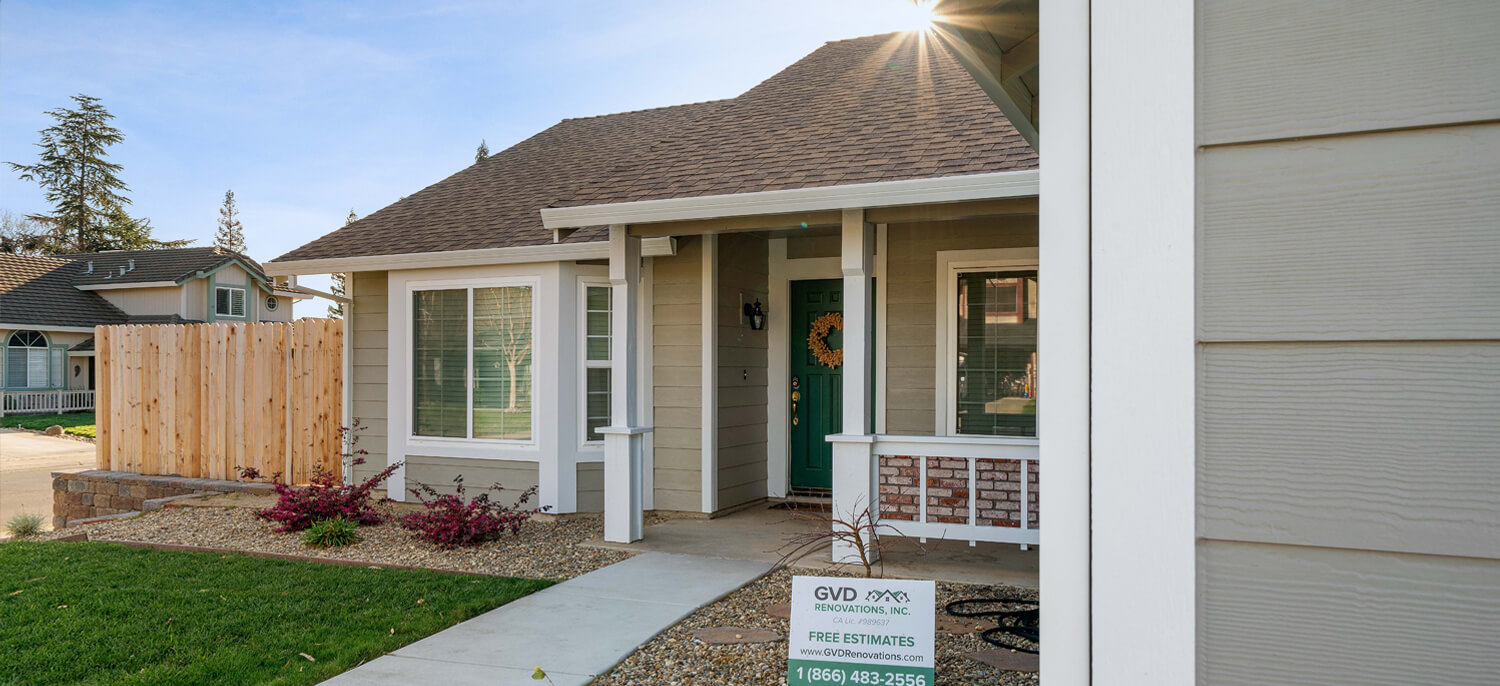
Vinyl Siding Installers in Vineyard
Sturdy, robust, and reliable siding adds a gorgeous and authentic aspect to your home. Our Vineyard vinyl siding installers can transform the look of your home with high-quality, long-lasting, and attractive vinyl siding.
Vineyard Siding & Window Replacement Experts
Give your home a classic, crisp-looking exterior with exterior siding from GVD Renovations & Remodeling. We have helped countless customers make their dream homes come alive. Let us help you determine the right materials, the best layout, and ideal installation schedule for your renovation.


Tap images to enlarge
See More Recent Projects →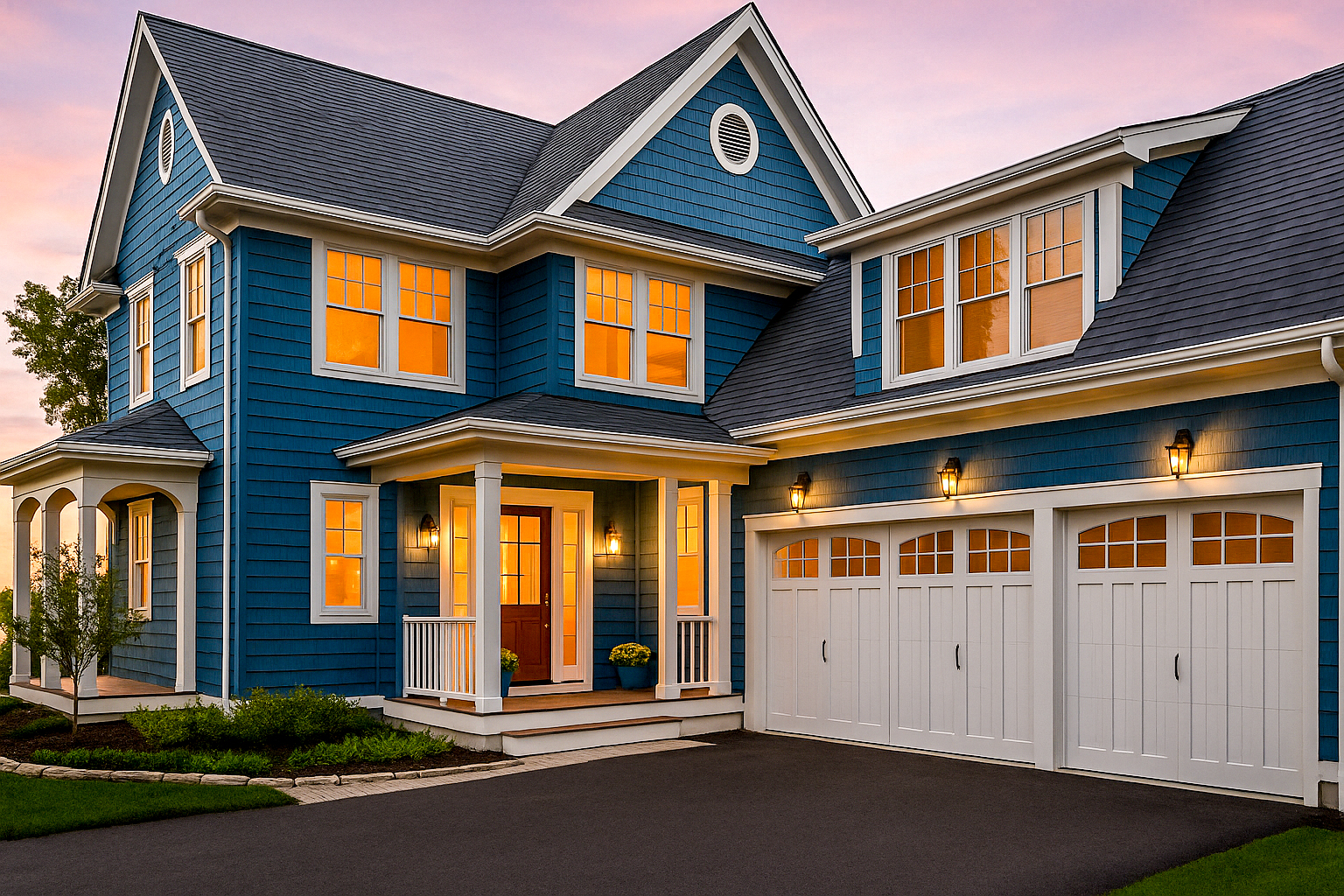
James Hardie Siding
America's #1 brand of siding used on millions of homes across the country.
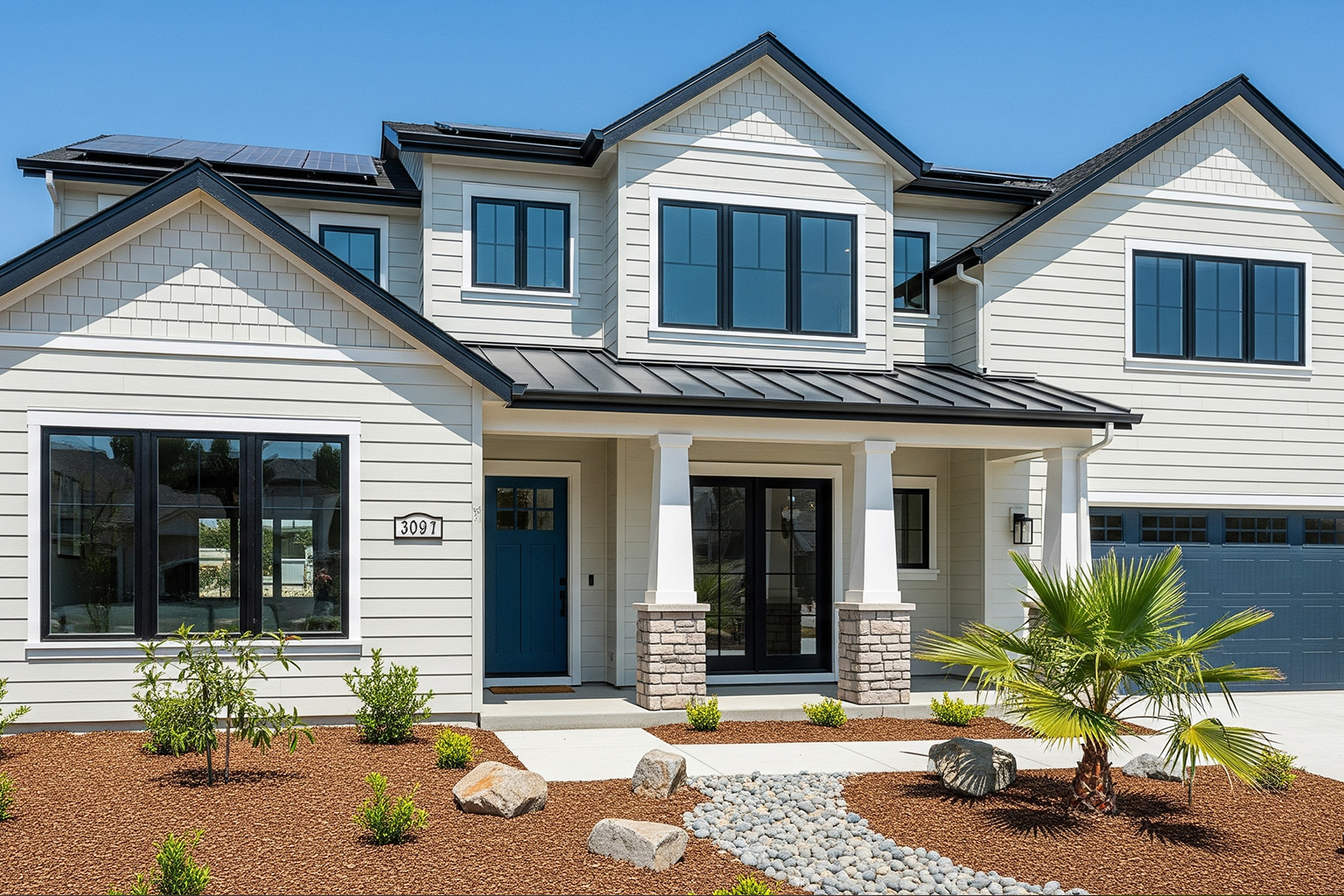
Fiber Cement Siding
Premium grade energy efficiency and will not warp or rot over time.
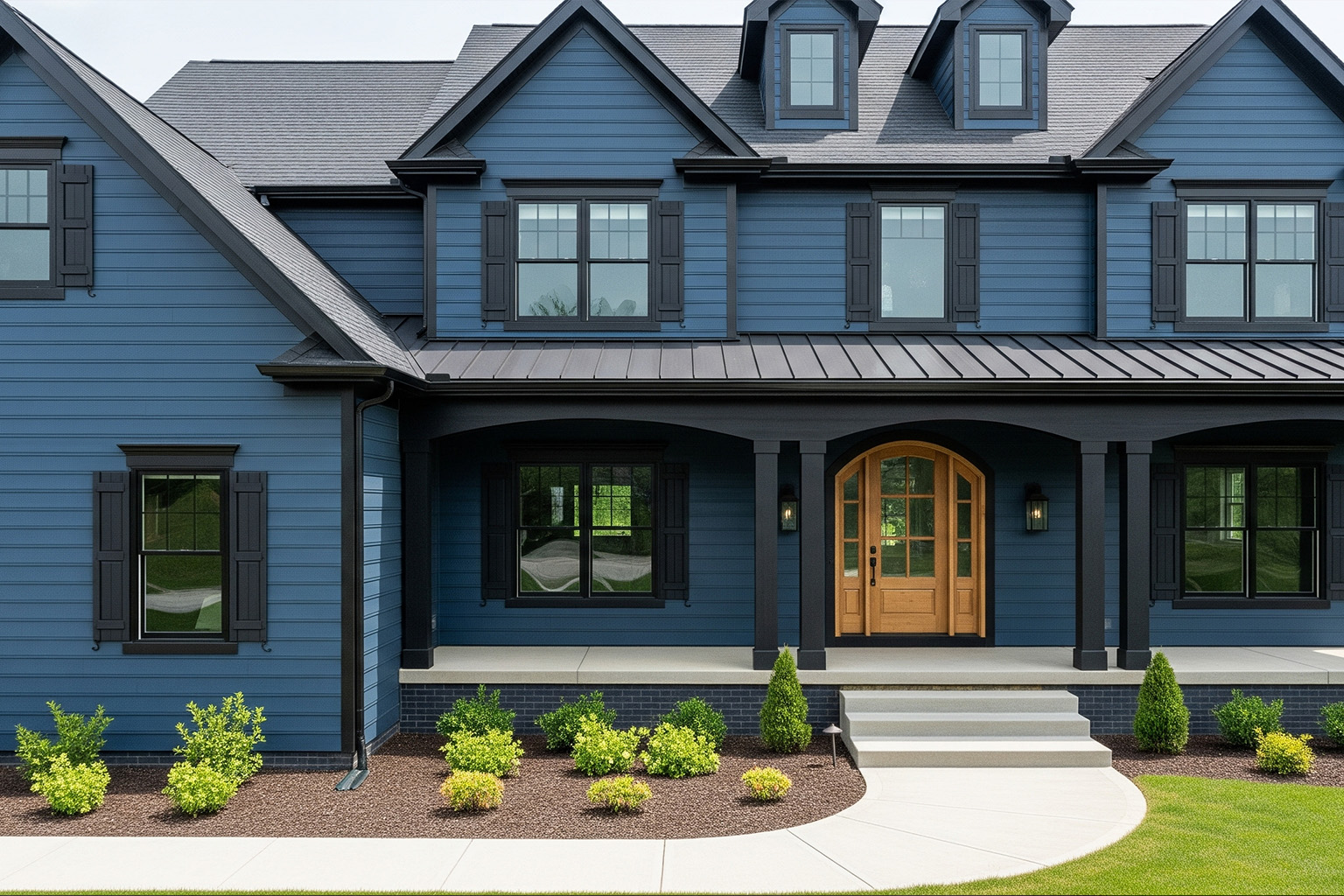
Insulated Vinyl Siding
Coated with special titanium dioxide that helps prevent fading and damage.
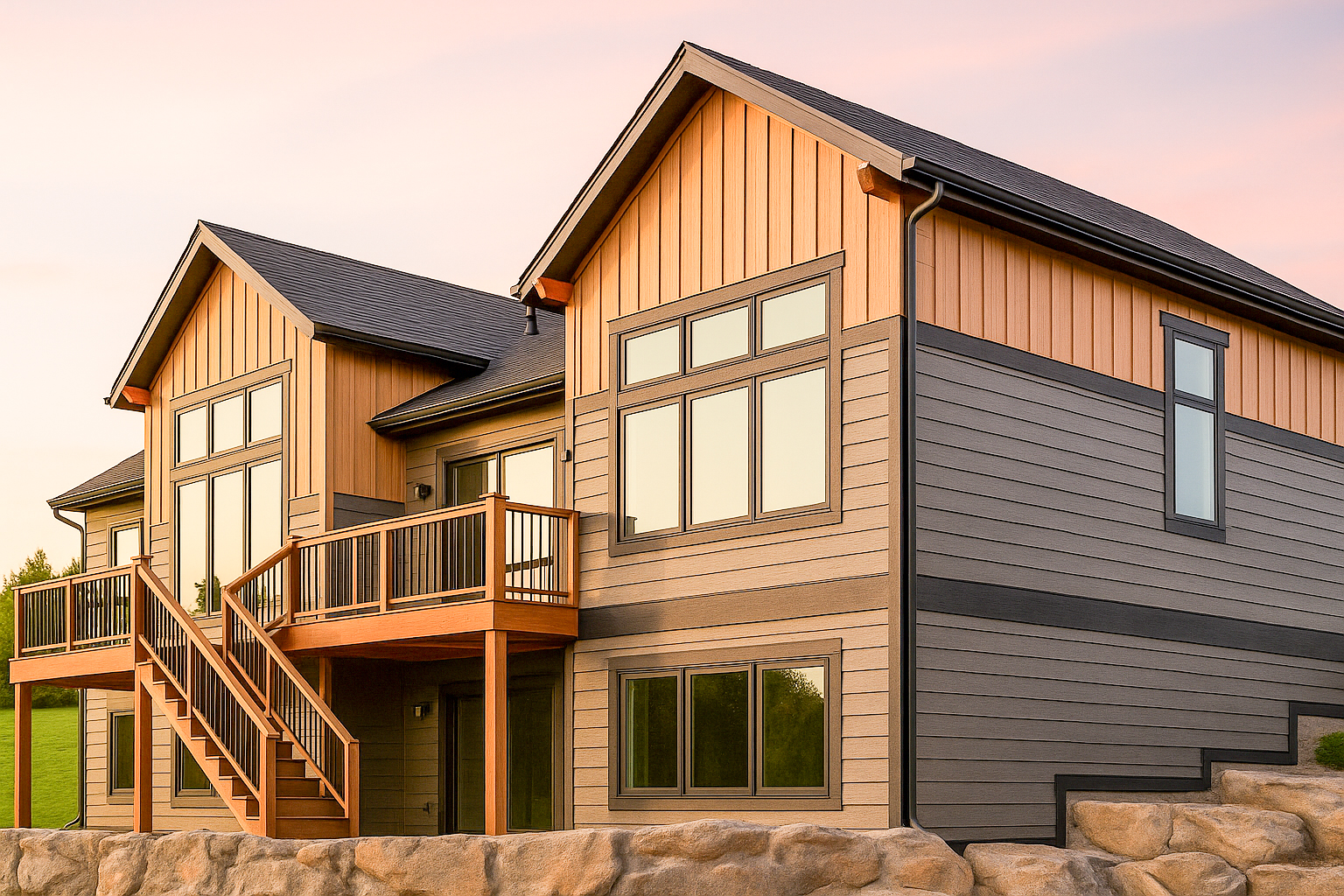
Engineered Wood Siding
Treated durable siding offering the look and feel of natural hardwood.
Watch What Some of Our Clients Have to Say
Trusted by Thousands of Homeowners Across Northern California


Best Vineyard Vinyl Siding Contractor
Sturdy, robust, and reliable siding adds a gorgeous and authentic aspect to your property. Count on our vinyl siding installers to transform the look of your home with high-quality, long-lasting, and attractive siding. When installing siding, we do it right the first time.
Are you looking for the best Vineyard vinyl siding contractor near you to help you replace your siding? When you hire our Vineyard vinyl siding installers, you can be assured that your home will look its best and that the project will be done correctly the first time around.
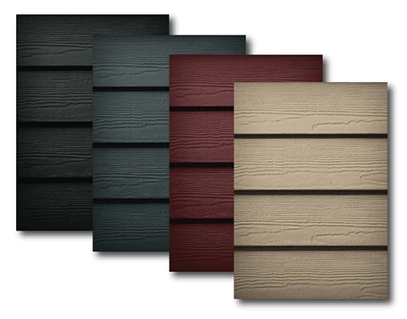
Full-Service Vineyard Vinyl Siding Installers Near You
Exterior vinyl siding from GVD Renovations & Remodeling may give your property a clean, classic look. Our team has been helping homeowners realize their dream homes since our inception, and we'd love to do the same for you. We can guide you in selecting the best materials, designing an effective layout, and creating a suitable installation timetable for your Vineyard remodeling project.
Hire The Best Vineyard Vinyl Siding Installation Company
How dirty or grimy are your walls? Do you want a more contemporary look to boost your home's curb appeal? A wide range of siding options are available at GVD Renovations & Remodeling.
We are Vineyard’s leading home renovation experts, and we can help you select the best siding for your house's needs and your budget.
Vineyard Vinyl Siding Installation
At GVD Renovations & Remodeling, we take pride in providing the best vinyl siding installation services in Vineyard. Our team has years of experience and is equipped with the latest techniques to guarantee a smooth and hassle-free installation process. Trust us to use only the finest materials and equipment, leaving your property looking stylish and well-protected for years to come.
Vinyl Siding Repair in Vineyard
Over time, vinyl siding can become damaged or warped, which can compromise its ability to protect your property from the elements. While we do not provide repair services for vinyl siding, we can assist you in replacing it, ensuring the durability of your home's structure and enhancing its aesthetic appeal.
Vineyard Vinyl Siding Replacement
If your current vinyl siding is beyond repair or simply outdated, we can help you choose a replacement that fits your style and budget. We offer a range of vinyl siding options to choose from, and our team of experts will work with you to ensure that your replacement siding is installed to your satisfaction.
Cost of Vinyl Siding in Vineyard
One of the most common questions we receive from homeowners in Vineyard is about the cost of vinyl siding installation. While the cost can vary depending on a number of factors, we strive to offer affordable vinyl siding installation services without sacrificing quality.
The cost of vinyl siding installation will depend on several factors, including the size of your home, the type of vinyl siding you choose, and the complexity of the installation. On average, you can expect to pay between $5 and $15 per square foot for vinyl siding installation.
It's important to remember that while vinyl siding may have a higher upfront cost compared to other siding materials, it can save you money in the long run due to its durability and energy efficiency.
At GVD Renovations & Remodeling, we offer free estimates for all of our vinyl siding installation services. We'll work with you to determine the best vinyl siding for your home and provide you with a detailed estimate of the cost of the project.
Prodigy Insulated Siding in Vineyard
One of the most popular vinyl siding install options we offer is Prodigy Vinyl Siding from Alside. Prodigy Vinyl Siding is a high-quality, insulated vinyl siding that provides superior protection from the elements while also helping to reduce your energy bills. This siding features a thick foam insulation layer that helps to reduce heat loss in the winter and heat gain in the summer, making it an excellent option for homeowners who are looking to increase the energy efficiency of their homes.
Prodigy Vinyl Siding also comes in a wide variety of colors and textures, making it easy to find the perfect style for your home. With its durable construction and low-maintenance design, Prodigy Vinyl Siding is an excellent option for homeowners who are looking for a long-lasting and cost-effective solution for their home's exterior.
Our Vinyl Siding Install Process
How Long Does Vinyl Siding Installation Take?
The majority of vinyl siding installations in Vineyard may be done in a week, but it may take longer in some cases.
When it comes to installing vinyl siding on your Vineyard home, GVD Renovations & Remodeling has the experience and know-how to get the job done quickly and painlessly because vinyl siding is manufactured using a locking system that allows each piece of siding to fit together snugly without the need for follow-up treatments like caulking or the application of sealant.
Benefits of Vinyl Siding
One type stands out above the rest, regardless of the season: vinyl siding. You should use vinyl to decorate your home for the following seven reasons.
Designed to Last
Because it's one of your biggest assets, your house has to be safe and secure at all times. Vinyl is more resistant to weather damage, rot, and vermin than your other ordinary options, so it retains its color and quality for longer. There is no need to wash and paint your home's exterior on a year-round basis.
So that your house can stand up to summer heat and winter cold, you'll want to hire Vineyard vinyl siding installers near me. To ensure that the project goes off without a hitch, we design and manufacture our goods to match the unique needs of each customer's home and employ factory-trained siding installers.
Custom Styles
Vinyl is a functional material that allows for a great deal of artistic expression. It is possible to use various colors and textures to make individual design pieces stand out in the crowd. The outside of your home is a great way to express your style, so why not?
Our vinyl siding mimics the look and feels of natural wood, allowing you to enjoy the benefits of vinyl's unparalleled durability while maintaining a classic appeal.
Capabilities for Efficient Use of Energy
It's not just the outside that benefits from our high-quality siding. Your home will be more protected from the weather, which will help you save money on your utility bills. As a result of this, you can keep your interior at a reasonable temperature all year round.
Vinyl's most significant advantage is that it will save you money on your utility expenses! No matter what your local climate throws at it, it will keep your house warm in the winter and cool in the summer, ensuring that your monthly heating and cooling expenditures are not increased.
Affordability
Despite its improved performance, vinyl remains one of the most cost-effective materials on the market. In addition to saving money, you'll be getting high-quality siding that looks great!
Low Maintenance
Vinyl is a low-maintenance material compared to other, more expensive options. Scraping old paint, priming, re-painting, or staining is not necessary. When it comes to cleaning your vinyl siding, all you need is a garden hose, some water, and a soft-bristled brush or a microfiber cloth
Eco-Friendly
If you're worried about the environment, vinyl siding is a terrific option. Vinyl siding is the most environmentally friendly option available for home exteriors. As a result, it is an excellent eco-friendly choice because of its high sustainability. Vinyl siding is not only high-quality but also environmentally sustainable. To put it another way, you may set your trust in us.
Contact Expert Vinyl Siding Companies In Your Area
As one of Vineyard's most seasoned siding and exterior remodeling companies, we've discovered that nothing is more important than making sure you're completely satisfied.
TRUST - Vineyard residents may rely on GVD Renovations & Remodeling for siding, new replacement windows, and other exterior remodeling services.
REPUTATION - Siding installation has long been one of our specialties, and we've become a go-to company for many of the area's most loyal customers. To see more examples of our work, please take a look at our photo gallery of recent projects.
QUALITY - Only the best materials and equipment will be used. We don't just sell these items; we're also trained and knowledgeable in using and installing them correctly.
Why Choose Us?
Certified by the Vinyl Siding Institute - Choosing GVD Renovations & Remodeling as your siding installer for vinyl siding means that you are choosing a company that has met the rigorous standards set forth by the Vinyl Siding Institute (VSI). As a certified installer, GVD Renovations & Remodeling has demonstrated a high level of expertise in vinyl siding installation, ensuring that your project will be completed with the utmost professionalism and attention to detail.
To become a certified installer, GVD Renovations & Remodeling underwent a thorough training program provided by VSI, which covered all aspects of vinyl siding installation, including proper handling and storage, preparation of surfaces, installation techniques, and more. By completing this training program and passing a comprehensive exam, GVD Renovations & Remodeling has proven that they possess the knowledge and skills necessary to properly install vinyl siding in accordance with industry best practices.
Insured and Licensed - GVD Renovations & Remodeling is licensed and insured. Because of this, you can be confident that your project will be of the highest possible standard and will adhere to all relevant building codes. If you are looking for Vineyard vinyl siding installers near you, we can help.
Permits and Plans - You can relax and leave the hassle of obtaining permits and drafting plans for your vinyl installation projects to us. We will take care of it all on your behalf, ensuring a stress-free experience for you.
Effortless and On Time - It is necessary to sign detailed contracts that ensure a high quality level of work when working with our certified Vineyard vinyl siding installers. As a result, your siding project will be completed on time and in accordance with the terms agreed upon in advance. There is no better feeling than knowing that your remodeling project will be completed on time and within budget.
Expert Guidance - With our vinyl siding installers, your remodeling project will be a huge success! There are many options to choose from when it comes to vinyl siding. Considering your budget, climate, and other factors, do you know what you need for your house? How well will the chosen combination of pattern, texture, and style fulfill your vision? GVD Renovations & Remodeling’ Vineyard vinyl siding installers will go above and beyond to ensure that you'll be satisfied with the finished product for many years.
Proper Tools & Equipment - To get the most out of your siding, it must be installed in a specific manner. As a result, the proper equipment and resources are required. Our Vineyard vinyl siding installers near you have the necessary tools and training to ensure that your siding project is successful. Do you want to jeopardize your warranty and the performance of your home by using vinyl siding on your own?
Warranty - Working with vinyl siding installers comes with a warranty that is often overlooked. Our vinyl siding installers are trained to work in accordance with the manufacturer's standards and techniques, so they know precisely how to keep you in compliance with your warranty. Because any warranty doesn't cover a faulty installation, you should only work with our vinyl siding installers as we offer a warranty.
One-Stop Shop For The Best Residential Vinyl Siding Installation
GVD Renovations & Remodeling is your one stop shop for professional, trustworthy vinyl siding installers. Customers and results are at the heart of everything we do, so it's no surprise that we've been recognized for our efforts in this area.
Request a Free Estimate for Top Rated Vinyl Siding Installation in Vineyard
Investing in siding pays off in more ways than one can imagine if you have the right siding installers on your side. Count on GVD Renovations & Remodeling to make your home more beautiful, more durable, and more energy-efficient. Our goal is to ensure that our custom vinyl siding plan meets your style and performance requirements from start to finish. If you'd like a free project consultation, give our siding installers a call or fill out our online form right now.
Other Renovation Services in Vineyard, CA
Replacement Windows Siding Replacement James Hardie Siding Home RemodelingServiced ZIP Codes: 95829, 95830, 95651
Try Our 3D Home Design Visualizer!
Ready to explore the possibilities for your home? Snap a photo to get started or spark your imagination with our sample homes.
Start Designing


Elite Certifications: James Hardie & LP® SmartSide
As a James Hardie Elite Contractor and LP® Certified Installer & LP® Master Level Preferred Contractor, we meet the highest standards for installation, service, and customer satisfaction in the industry.
We are fully insured with worker's compensation and general liability insurance to safeguard you and your home during our work.


GAF Certified Roofing Contractor


2025 James Hardie Service Excellence Award


LP Certified Installer Certificate


Angie's List Super Service Award

VSI Certified Installer

Best of Houzz 2020 Service Award


Financing made simple
- Fast application process
- Flexible payment options
- Check eligibility in minutes
Financing is offered through third-party lenders. Approval, rates, and terms depend on credit profile. Not all applicants qualify.
Checking eligibility will not impact your credit score






4.6/5

4.9/5

A+

5/5

5/5

5/5

5/5

4.8/5

5/5
Other Service Areas
- Alameda
- Alamo
- Albany
- Alta Sierra
- American Canyon
- Angels Camp
- Antelope
- Antioch
- Apple Hill
- Applegate
- Arden Arcade
- Arnold
- Auburn
- Bay Area
- Belmont
- Benicia
- Berkeley
- Blackhawk
- Bodega Bay
- Brentwood
- Burlingame
- Calistoga
- Cambrian Park
- Cameron Park
- Campbell
- Carmichael
- Castro Valley
- Chico
- Citrus Heights
- Clayton
- Clear Lake
- Colfax
- Concord
- Cool
- Cordelia
- Corte Madera
- Cotati
- Cupertino
- Daly City
- Danville
- Davis
- Diamond Springs
- Discovery Bay
- Dixon
- Dublin
- East Bay
- El Cerrito
- El Dorado Hills
- El Macero
- El Sobrante
- Elk Grove
- Elverta
- Emeryville
- Fair Oaks
- Fairfax
- Fairfield
- Florin
- Folsom
- Foresthill
- Foster City
- Fremont
- Galt
- Gilroy
- Gold River
- Granite Bay
- Grass Valley
- Greenwood
- Half Moon Bay
- Hayward
- Hercules
- Hidden Valley Lake
- Ione
- Isleton
- Jackson
- Kentfield
- La Riviera
- Lafayette
- Lake of the Pines
- Lakeport
- Larkspur
- Lincoln
- Livermore
- Lodi
- Loomis
- Los Altos
- Los Gatos
- Lower Lake
- Manteca
- Marin City
- Martinez
- Marysville
- McClellan
- Meadow Vista
- Menlo Park
- Mill Valley
- Millbrae
- Milpitas
- Moraga
- Morgan Hill
- Mountain View
- Murphys
- Napa
- Natomas
- Nevada City
- Newcastle
- North Bay
- North Highlands
- Novato
- Oakland
- Oakley
- Orangevale
- Orinda
- Pacifica
- Palo Alto
- Paradise
- Penn Valley
- Penryn
- Petaluma
- Piedmont
- Pilot Hill
- Pinole
- Pittsburg
- Placerville
- Pleasant Hill
- Pleasanton
- Plumas Lake
- Pollock Pines
- Rancho Calaveras
- Rancho Cordova
- Rancho Murieta
- Redwood City
- Rescue
- Richmond
- Rio Linda
- Rio Vista
- Rocklin
- Rodeo
- Rohnert Park
- Rosemont
- Roseville
- San Andreas
- San Anselmo
- San Bruno
- San Carlos
- San Jose
- San Leandro
- San Mateo
- San Pablo
- San Rafael
- San Ramon
- Santa Clara
- Santa Cruz
- Santa Rosa
- Saratoga
- Sausalito
- Scotts Valley
- Sebastopol
- Sheridan
- Shingle Springs
- Sloughhouse
- Sonoma
- South Lake Tahoe
- South San Francisco
- St. Helena
- St. Helena
- Stanford
- Stockton
- Suisun City
- Sun City Lincoln Hills
- Sun City Roseville
- Sunnyvale
- Sutter Creek
- Tahoe City
- Tiburon
- Tracy
- Truckee
- Union City
- Vacaville
- Vallejo
- Valley Springs
- Vineyard
- Walnut Creek
- West Sacramento
- Wheatland
- Wilton
- Windsor
- Winters
- Woodland
- Yountville
- Yuba City
Frequently Asked Questions
about Vinyl Siding in Vineyard
Vineyard, California is a beautiful suburb located in Sacramento County. It sprawls over an area of twenty-four square kilometers, housing inhabitants in comfortable, single-family homes. The area is recognized for its calm vibe, providing a relaxing environment away from the bustling city life. Vineyard offers an assorted diversity, attracting folks from different walks of life with its serene environment, top-grade schools, parks, and shops.
When it comes to the average median home price in Vineyard, it is relatively reasonable compared to the state's average. Prices can fluctuate on market trends and property features, but generally, current prices hover around the mid $400s, offering excellent value to property buyers.
What should I look for when hiring vinyl siding contractors in Vineyard?
In Vineyard, when looking for vinyl siding contractors, it is crucial to consider a few vital factors. The contractor's expertise is paramount; it guarantees high-quality work. Look at the contractors' credentials and the ratings and reviews they have received. Also, it is essential to compare costs and services offered by different contractors to get the best value for your money. Finally, consider the warranty and insurance coverage provided by a contractor for complete peace of mind.
Does Vineyard require building permits for vinyl siding?
Vineyard does require building permits for vinyl siding installations. It is essential to ensure all construction meets the appropriate building codes and standards. Such permits include specifications regarding materials, installation process, and ensure that the project is conducted safely. It provides assurance that the work being done is up to standard and will not cause any issues in the future.
Can you provide references or examples of completed vinyl siding projects in Vineyard?
Yes, GVD Renovations can provide several references and examples of completed vinyl siding projects in Vineyard. Our work exhibits our commitment to excellence, as well as our dedication to providing the best possible service to our customers. We take pride in our work and are happy to share examples of our completed projects, reinforcing our promise of quality and satisfaction.
Will installing vinyl siding in Vineyard increase my home's value?
Yes, installing vinyl siding can increase your home's value in Vineyard significantly. It not only adds to the aesthetic appeal of your home but also increases its durability and lifespan. Vinyl siding can make your home more energy-efficient, leading to potential savings on energy bills. As a result, prospective buyers are often willing to pay a premium for homes with vinyl siding, enhancing the property's resale value.
Why is GVD Renovations the best company for Vineyard vinyl siding?
At GVD Renovations, we provide superior quality vinyl siding for homes in Vineyard. Our commitment to quality, combined with our extensive experience, makes us the perfect choice for vinyl siding projects. We offer a comprehensive range of services, catering to all your siding needs. Importantly, we believe in clear and transparent communication, resulting in expert project handling and customer satisfaction. We use the best materials in the market, ensuring that all our installations are not just aesthetically pleasing but also durable, efficient and lasting.