The clearest red flags when hiring a deck builder in the Sacramento area are simple to check: no active CSLB license, no proof of insurance, a large upfront deposit, no written contract, and a plan that skips permits. Any one of those is a reason to slow down before you sign.
A deck is a structural project that carries people several feet off the ground, so the difference between a good contractor and a bad one shows up years later, at the ledger board and the footings, not on the surface. Here is what to verify before you hand over a deposit.
No active contractor's license
In California, any home improvement job of $1,000 or more must be performed by a contractor licensed by the Contractors State License Board (CSLB). Deck building typically falls under a B (General Building) or an appropriate specialty classification. Ask for the license number and look it up yourself at the CSLB website to confirm it is active, matches the business name, and has no disciplinary actions. A contractor who is vague about their number, or who works under someone else's, is the first red flag.
No proof of insurance
Ask for a certificate of both general liability and workers' compensation insurance, and confirm it is current. If an uninsured worker is injured on your property, or the crew damages your home, you can be left exposed. A legitimate contractor provides this without hesitation.
A large upfront deposit
California law caps the down payment on a home improvement contract at 10% of the contract price or $1,000, whichever is less. A contractor who demands 30%, 50%, or full payment before any materials arrive is either undercapitalized or planning to disappear. Progress payments tied to milestones are normal; a big upfront lump sum is not.
No written contract, or a vague one
Everything should be in writing: the full scope, materials by name (pressure-treated versus composite, board and joist sizes, hardware, railing), the total price, the payment schedule, and a start and completion window. A one-line quote scribbled on a business card gives you nothing to hold them to when the job changes mid-stream.
Skipping the permit
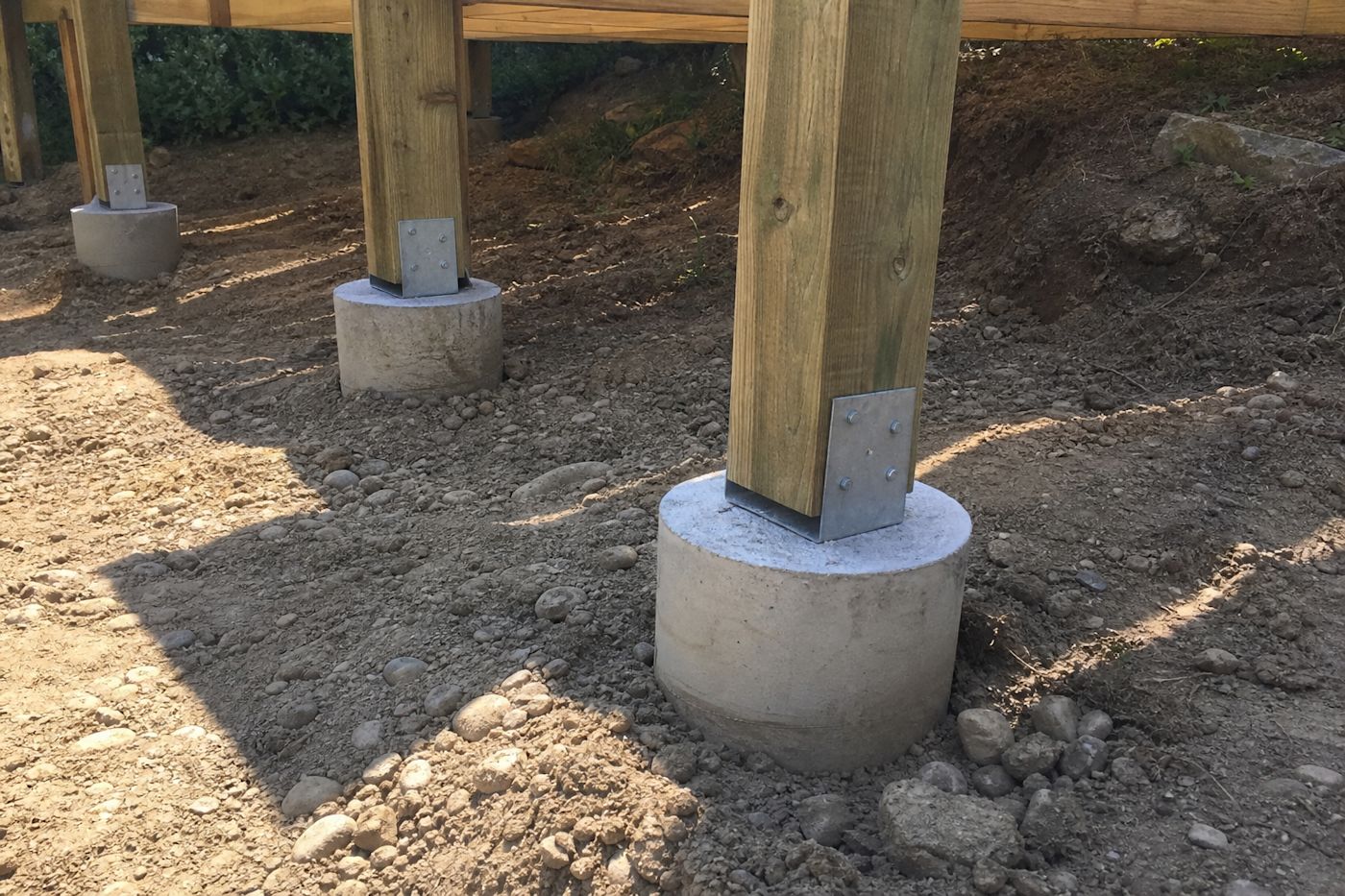
Most decks that are attached to the house or sit more than 30 inches above grade require a building permit, and the local jurisdiction inspects the footings and framing. A contractor who suggests skipping the permit to save time is skipping the inspection that protects you. Unpermitted structural work also surfaces during a home sale and can force expensive retroactive permitting at the worst possible moment.
Cash-only and no paper trail
A cash-only demand with no invoices is a warning sign for both tax and accountability reasons. If something fails, you want a documented record of what you paid for and what was promised.
A bid that is far below the others
A price that is dramatically lower than every other bid is usually missing something: proper footings, correct joist spacing, code-compliant hardware, or flashing at the ledger. Ask for a line-item breakdown so you can compare bids on scope, not just the bottom number.
Pressure tactics
"This price is only good today" is a sales tactic, not a construction reality. A reputable contractor gives you time to read the contract, check references, and verify the license.
No local references or portfolio
Ask to see finished decks they have built nearby and to speak with recent customers. A contractor who works in your area regularly can show you real projects; one who cannot is a risk.
Vague answers about the ledger and flashing
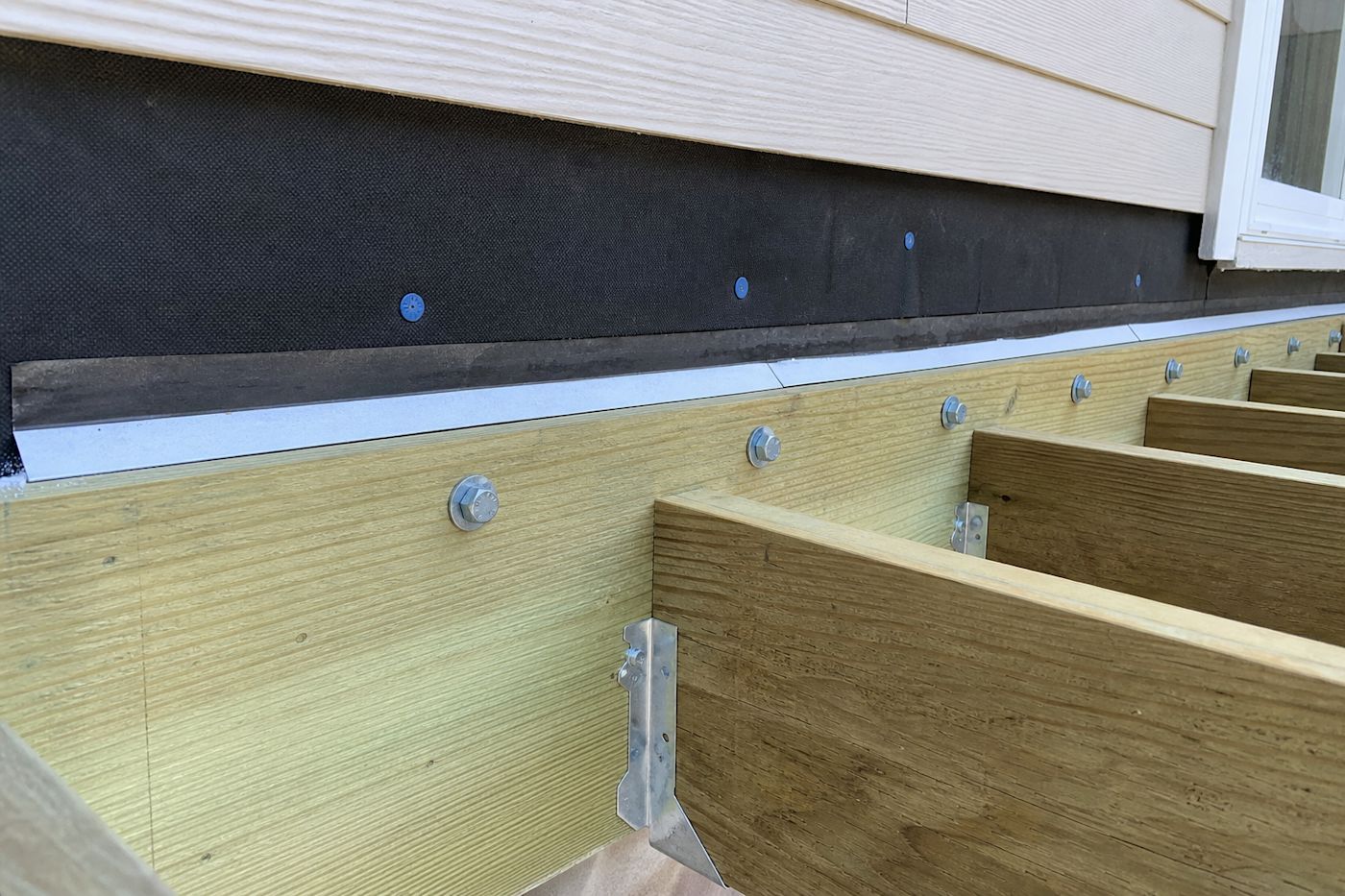
The most important structural detail on an attached deck is how it connects to the house: the ledger board must be through-bolted or lag-screwed into the home's rim joist and properly flashed to keep water out, never just nailed. Improper ledger attachment is the leading cause of deck collapses. If a contractor cannot explain, in plain terms, how they will attach and flash the ledger, that is the red flag that matters most.
The bottom line
Before you sign, confirm the license, the insurance, a reasonable deposit, a detailed written contract, and a plan that includes the permit. A trustworthy deck builder welcomes every one of those questions.
Reviewed by our team at GVD Renovations, a licensed general contractor. While we strive for accuracy, project specifics vary — contact us for a personalized assessment. Product details, specifications, or warranties may have changed since publication. Brand and product mentions reflect our professional opinion, not endorsements or guarantees.
Tags: decking, deck builder, hiring a contractor, red flags, sacramento,
Written by Paul Kho