As home trends continue to evolve, bathroom upgrades have become increasingly popular for those seeking to enhance both the functionality and aesthetics of their living spaces. Among these renovations, the walk-in shower insert is a rising star, offering a sleek, modern design that maximizes space while adding a touch of luxury to any bathroom. In this comprehensive guide, we'll delve into everything you need to know about walk-in shower inserts — from their benefits to installation tips — empowering you to make an informed decision on your next home improvement project.
What is a Walk-In Shower Insert?
A walk-in shower insert is a prefabricated unit that easily installs into existing shower spaces, replacing tub-shower combinations with a sleek, accessible solution. These inserts are typically made of acrylic, fiberglass, or a composite material that is designed to be waterproof, durable, and easy to maintain. Ideal for small to medium-sized bathrooms, walk-in shower inserts offer a streamlined alternative to traditional tubs, enhancing both functionality and style.
Benefits of Walk-In Shower Inserts
Opting for a walk-in shower insert comes with numerous benefits that appeal to a wide range of homeowners. These include:
- Space Optimization: By eliminating the bathtub, walk-in shower inserts free up valuable bathroom real estate, making them ideal for compact spaces.
- Accessibility: With low thresholds and easy entry, these showers cater to those with mobility concerns — a significant advantage for aging-in-place or multi-generational households.
- Contemporary Aesthetics: Embrace a modern and streamlined look that complements a variety of interior design styles.
- Easy Maintenance: Smooth surfaces and minimal seams reduce the potential for mold and mildew, simplifying cleaning and maintenance.
- Cost-Effectiveness: Compared to custom tile showers, inserts offer an economical and time-saving solution.
Choosing the Right Walk-In Shower Insert
When selecting a walk-in shower insert for your bathroom, consider the following factors to ensure it meets your needs and complements your home’s design:
- Size and Dimensions: Measure your existing space to ensure your new shower insert will fit seamlessly. Consider both length and width, as well as ceiling height.
- Material: Choose between acrylic, fiberglass, or composite materials, weighing factors like durability, cost, and ease of maintenance.
- Style and Finish: Inserts come in various finishes and textures. Select a style that complements your bathroom's decor, from glossy white finishes to modern matte tones.
- Features and Accessories: Look for additional features that enhance function, such as built-in shelving, grab bars, or shower seating.
Installation Process
Embarking on an installation can be daunting, but with a clear understanding of the process, you'll be well-prepared.
Prepare the Bathroom
- Remove Existing Fixtures: Safely dismantle and remove the old tub or shower, ensuring plumbing and electrical systems are turned off.
- Inspect and Repair: Check for water damage or mold; repair walls and flooring as necessary to create a solid foundation for installation.
- Plan for Plumbing: Reroute pipes if needed to accommodate the new shower location and configuration.
Installing the Insert
- Align and Secure: Place the shower insert into the prepared space, aligning it to existing plumbing outlets. Secure the unit according to the manufacturer's instructions.
- Seal Joints: Apply silicone caulk to all seams and joints to ensure a watertight seal, preventing future leaks.
- Finishing Touches: Connect any additional features such as showerheads and fixtures, and ensure everything is functional.
Conduct Final Checks
Once the installation is complete, conduct a thorough inspection to ensure all components are secure and operational. Test the water flow and check for leaks, adjusting as necessary for optimal performance.
Maintenance Tips for Longevity
Maintaining your walk-in shower insert is crucial for prolonging its lifespan and keeping it looking pristine. Here are some key maintenance tips:
- Regular Cleaning: Use non-abrasive cleaners to remove soap scum and mineral deposits. Avoid harsh chemicals that can damage the surface.
- Preventing Mold: Ensure proper ventilation in the bathroom to reduce humidity, minimizing the chances of mold growth.
- Inspect Seals: Regularly check the silicone seals around the insert and reapply caulk as needed to avert any water damage.
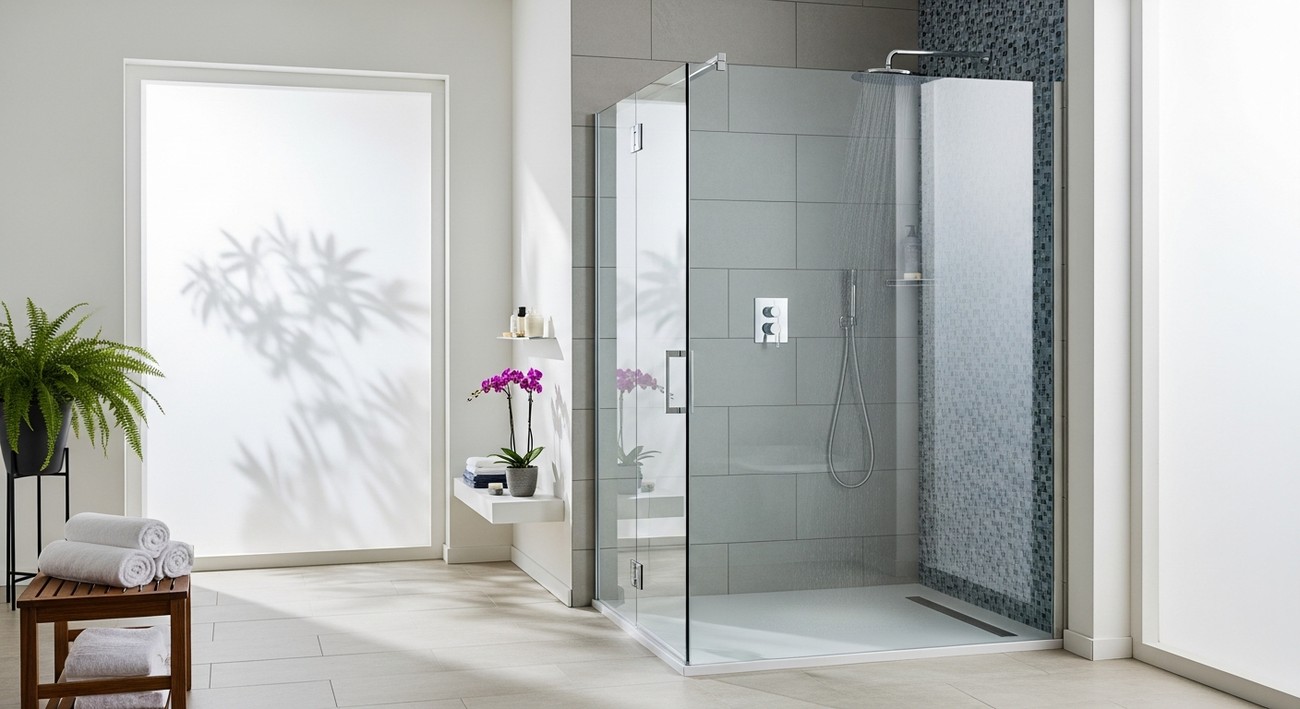
Frequently Asked Questions About Walk-In Shower Inserts
What are the benefits of a walk-in shower insert?
Walk-in shower inserts offer numerous benefits that make them a popular choice for modern bathrooms. One of the key advantages is accessibility; walk-in showers eliminate the need for stepping over a bathtub edge, providing a safer option for seniors, children, or individuals with mobility issues. Furthermore, they enhance the bathroom's aesthetics with their sleek and contemporary designs. Walk-in shower inserts are also easy to clean due to their simplistic structure and fewer nooks and crannies where grime may accumulate. Lastly, they save space, making them ideal for smaller bathrooms without compromising functionality or style.
How do you install a walk-in shower insert?
Installing a walk-in shower insert typically involves a series of steps that a skilled DIY enthusiast or a professional can undertake to ensure optimal functionality. The process generally begins with removing the old bathtub or shower, followed by preparing the area and plumbing fixtures for the new insert. Next, the shower base is installed to ensure proper drainage, followed by securing the shower walls to the studs. Finally, the seams are sealed, and the fittings, such as shower heads and controls, are installed. Proper installation is crucial for preventing leaks and ensuring long-term durability, so consulting with a professional is often recommended.
What materials are commonly used to make walk-in shower inserts?
Walk-in shower inserts are commonly made from durable, water-resistant materials to withstand daily use. Fiberglass and acrylic are two of the most popular materials used because they offer a lightweight yet sturdy structure that resists mold and mildew. Fiberglass is known for its affordability and ease of installation, while acrylic provides a glossy finish that holds up well over time. Additionally, some high-end walk-in shower inserts may utilize cultured marble or solid surface materials for a more luxurious feel. These materials not only provide durability but also contribute to the overall aesthetic appeal.
Can I customize my walk-in shower insert?
Absolutely, one of the significant advantages of walk-in shower inserts is the ability to customize them according to your preferences and bathroom layout. You can choose from various sizes, colors, and finishes to match your desired bathroom décor. Many manufacturers offer options to include built-in shelving, seating, or even custom door materials such as glass or frosted panels. Additionally, you can select your preferred type of showerhead, controls, and additional systems like steam or massaging jets to further personalize your shower experience. This level of customization ensures that your walk-in shower insert meets your functional needs and stylistic preferences.
How do I clean and maintain a walk-in shower insert?
Maintaining the cleanliness and appearance of your walk-in shower insert is straightforward and involves a few regular practices. Use a non-abrasive cleaner or a mixture of vinegar and water to clean the shower walls and floor once a week to prevent soap scum and hard water deposits. A daily quick rinse and using a squeegee to remove excess water can also minimize build-up. Pay attention to the seams and seals, ensuring they're in good condition to avoid potential leaks. Regularly checking and cleaning the showerhead, and if necessary, descaling it, will also help maintain optimal water flow and hygiene.
Are walk-in shower inserts suitable for all bathroom sizes?
Yes, walk-in shower inserts are highly versatile and can be adapted to suit bathrooms of all shapes and sizes. Many standard-sized inserts are designed with space efficiency in mind, making them perfect for compact bathrooms where space is at a premium. For larger bathrooms, you can opt for more expansive inserts or combine them with additional elements like a bathtub or extra shelving. Their adaptability in terms of size and layout allows homeowners to incorporate a walk-in shower insert into virtually any bathroom configuration, providing flexibility in design without sacrificing functional utility or style.
How do walk-in shower inserts compare in cost to traditional showers or bathtubs?
Walk-in shower inserts can be a cost-effective solution compared to traditional showers or bathtubs, primarily due to their efficient installation process and reduced labor costs. While the upfront cost of an insert can vary based on material and customization options, these units generally provide budget-friendly options without compromising on quality. The simplified structure of a walk-in shower often results in lower installation and maintenance costs over time. Additionally, unlike custom tile showers that can require complex and costly work, walk-in shower inserts provide a seamless solution, ultimately offering financial savings in the long run.
Walk-In Shower Inserts: The Good, The Bad, and The Steamy
Pros
Accessibility and Safety
Walk-in shower inserts really shine when it comes to accessibility. Their barrier-free entry is a massive plus for anyone with mobility concerns. You don't have to worry about tripping over the edge of a tub, making them a safer choice for both kids and older adults alike. Plus, the ability to easily add seats and grab bars can transform your bathroom into a safer, more convenient space.
Space-Saving
Ideal for small bathrooms, walk-in shower inserts make efficient use of space. They can create a more open feel compared to a traditional tub. It's like adding a mini spa experience right in your bathroom without needing to knock down walls.
Easy Maintenance
When you think about scrubbing grout, it's enough to make anyone shudder. Walk-in shower inserts typically come with fewer grout lines, meaning less hassle when it comes to cleaning. Many are made from materials that can easily be wiped down, helping you keep that sleek, modern look with minimal effort.
Modern Aesthetics
Speaking of sleek and modern, if aesthetics are your thing, you're likely to fall in love with the contemporary appeal of walk-in shower inserts. They offer clean lines and can come in various stylish finishes that spruce up your bathroom in no time. They’re versatile, too, fitting into almost any design theme you can imagine.
Customization Options
Flexibility is the name of the game here. Walk-in shower inserts often come with customizable options like built-in shelves, benches, multiple showerhead placements, and more. You can tailor your showering experience to be just what you want, whether it’s a calming rainfall or a powerful detangling experience.
Cons
Installation Costs
It's time to talk about the elephant in the room—cost. Walk-in shower inserts, especially custom ones, can be pricey to install. Between materials and labor, the investment might give you pause. While they offer long-term benefits, the initial outlay can be a hurdle for many homeowners.
Resale Value Concerns
While that ultra-modern shower may be your bathroom dream come true, not everyone feels the same way. If you're considering putting your house on the market, keep in mind that some homebuyers specifically look for a bathtub. The absence of one might deter potential buyers, affecting the resale value of your home.
Potential Water Leakage
Though generally designed for efficiency, some inserts might not be perfectly watertight, especially if they’re poorly installed. The gaps between the shower insert and the bathroom floor can become tricky spots, potentially leading to water leaks. As you'd guess, this could result in water damage over time—that’s something nobody wants to deal with.
Limited Design Choices
While there are plenty of customization options, the range of designs and colors can sometimes feel limited compared to traditional bathroom tiling. If you're going for a completely unique or specific look, the options might not be as broad as you'd prefer.
Requires Adequate Bathroom Ventilation
Walk-in shower inserts often really lock in the steam, which means good bathroom ventilation is crucial. Poor airflow can lead to mildew or mold if not managed properly, making that whole maintenance thing a bit harder.
Final Thoughts
A walk in shower insert can transform your bathroom into a serene oasis, making it not only more accessible but also enhancing its overall aesthetic. By choosing this upgrade, you're creating a space that combines functionality and style, perfect for relaxing after a long day or preparing for the busy one ahead.
If you’re considering a walk in shower insert for your home in Northern California, we’re here to assist you every step of the way. At GVD Renovations & Remodeling, our team of local experts can guide you through the options and help you select the perfect design for your needs. Feel free to reach out to us to schedule a consultation or request a free estimate; we can’t wait to help you bring your dream bathroom to life!
Reviewed by our team at GVD Renovations, a licensed general contractor. While we strive for accuracy, project specifics vary — contact us for a personalized assessment. Product details, specifications, or warranties may have changed since publication. Brand and product mentions reflect our professional opinion, not endorsements or guarantees.
Tags: walk in shower, shower insert, bathroom renovation,
Written by Paul Kho