Wildfire defense for your home, built to California's fire code
Our free guide explains California's wildfire building code (formerly "Chapter 7A") in plain English: how to check your zone, what the rules ask of your siding, windows, eaves, vents and deck, and which upgrades your insurer has to recognize.








"Chapter 7A" has a new home
Since January 1, 2026, California's wildfire building rules are no longer in Chapter 7A of the Building Code. They moved into a new, separate code: the California Wildland-Urban Interface Code (Title 24, Part 7). The same 2026 update extended the rules to High fire hazard zones in cities and towns, not only Very High ones, and dropped an exception for homes built before 2008. The material rules carried over; the reach got wider.
Know where your home stands before you spend a dollar
- How to check your fire hazard zone in two minutes
- What the code asks for, part by part, on one page
- What triggers the code when you remodel
- The upgrades California insurers must recognize, and how to ask for your score
- A printable checklist to walk around your house with
Written by the team that re-sides and re-windows homes across Northern California's fire country, with every rule linked to the official source. Useful whether you hire us or not.
A short, printable guide to the rules, your zone and your insurance. Free, no obligation.
Does the wildfire code apply to your home?
It depends on your address, not your city. Three steps:
Look up your address
The State Fire Marshal's map shows whether your home is in a Moderate, High or Very High fire hazard zone. The 2025 maps added zones in places that had none before, including parts of Rocklin, Roseville, Loomis and Lincoln.
Open the fire hazard mapCheck which zones are covered
The code covers every zone in State Responsibility Areas (mostly rural land), High and Very High zones in cities and towns, and any area your city or county adds. Local rules can be stricter than the state's.
Know what triggers it
In a covered zone, new siding, windows, doors or decks must meet the rules for new construction. The rest of the house can stay as it is. Replacing half or more of a roof within a year brings the whole roof under the rule. Your building department has the final say; we check with them first.
What the wildfire code asks for
A plain-English summary of Chapter 5 of the Wildland-Urban Interface Code. Products must be listed by the State Fire Marshal or backed by a current test report, and we check that for every product we install.
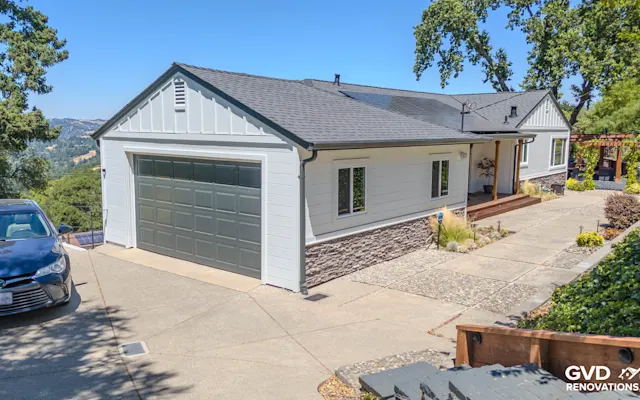
Siding and exterior walls
Siding that is noncombustible or ignition-resistant, or a wall assembly that passed the state's fire tests (one approved route is a layer of 5/8-inch Type X gypsum sheathing behind the siding). Paint, stain or coatings don't count as protection.
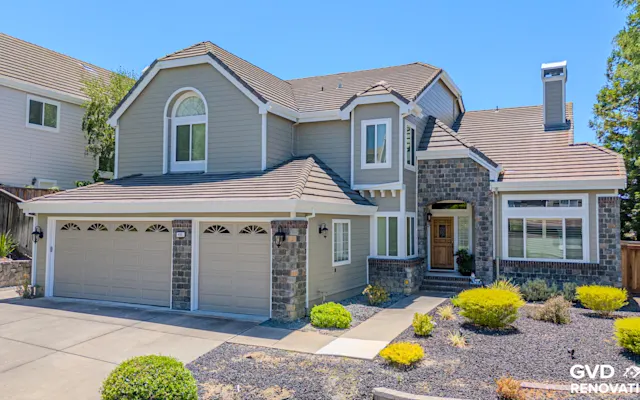
Base of the walls
At least 6 inches of metal flashing or other noncombustible material where the wall meets the ground, a deck or a roof.
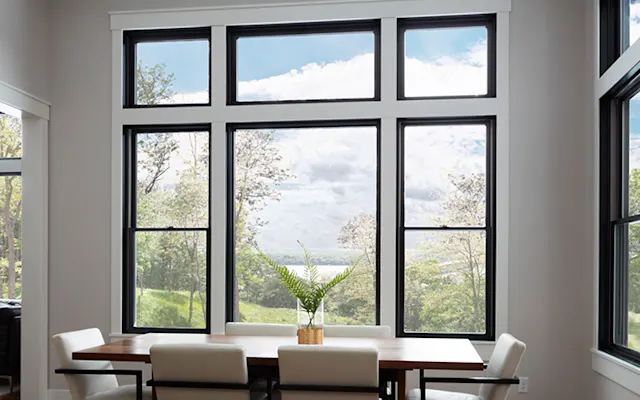
Windows and glass doors
Multi-pane glass with at least one tempered pane, glass block, glass with a 20-minute fire rating, or a window tested to the State Fire Marshal standard.
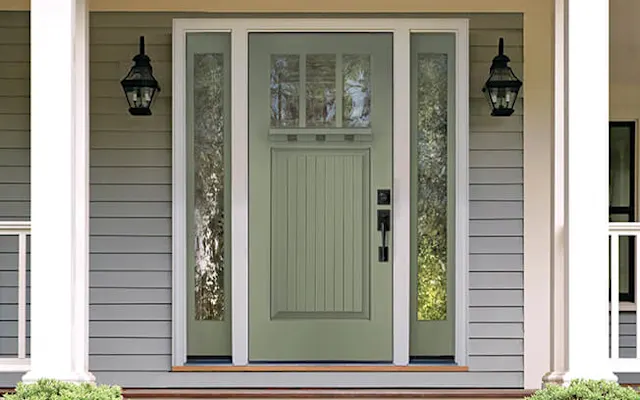
Exterior doors
A noncombustible door, a solid-core wood door at least 1¾ inches thick, a 20-minute rated door, or a door with a tested exterior surface. Glass in the door follows the window rule.
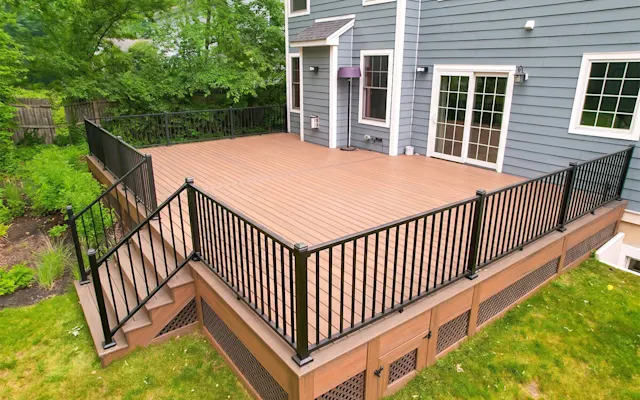
Decks
Deck boards that pass the state's deck fire tests, or are ignition-resistant, fire-retardant-treated or noncombustible, plus 6 inches of metal flashing where the deck meets the house.
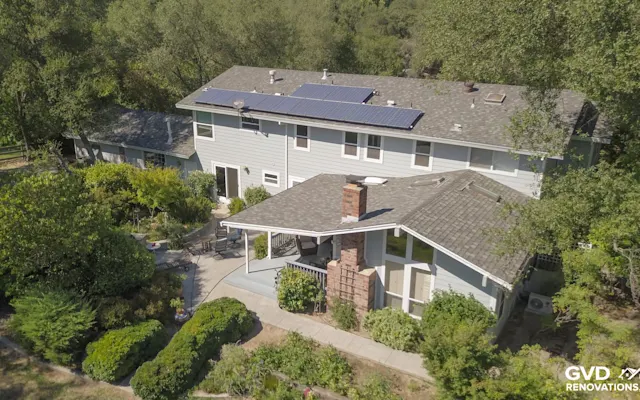
Eaves and soffits
Enclosed eaves need an underside of noncombustible or ignition-resistant material, or another approved assembly, and a fascia.
Vents
Attic, eave and foundation vents listed by the State Fire Marshal as flame- and ember-resistant, or tested to ASTM E2886. Some roof vents can use metal mesh with openings between 1/16 and 1/8 inch.

Roof and gutters
A Class A roof. Replacing half or more of the roof within 12 months triggers the full rule. Gutters and downspouts must be noncombustible, with a guard that keeps leaves out.
Summary only. The code has more options and exceptions than fit here; see the sources at the bottom of this page. Photos are GVD projects.
Upgrades California insurers have to recognize
Since October 2022, California regulations require home insurers to reflect wildfire mitigation in their rates. The Department of Insurance calls the list Safer from Wildfires. Insurers also have to give you your wildfire risk score, tell you which steps would lower it, and let you appeal it.
The rules don't set a discount amount, so savings vary by insurer. The California FAIR Plan offers up to 20% off the wildfire portion of its premium for qualifying upgrades.

- Class A roof
- Enclosed eaves
- Ember- and fire-resistant vents
- Multi-pane windows (or shutters)
- 6 inches of noncombustible material at the base of the walls
- Nothing that burns within 5 feet of the house
- Clear leaves and debris under decks
- Sheds and other combustible structures at least 30 feet away
- Defensible space that meets state law
Living in a Firewise USA site or a recognized Fire Risk Reduction Community also counts.
- Ask for your wildfire risk score and the mitigation discounts in their rating plan.
- Do the upgrades, and keep your invoices and photos.
- Ask them to re-score your home. If you disagree, you can appeal.
We're a contractor, not an insurance agent. Your insurer decides your rate.
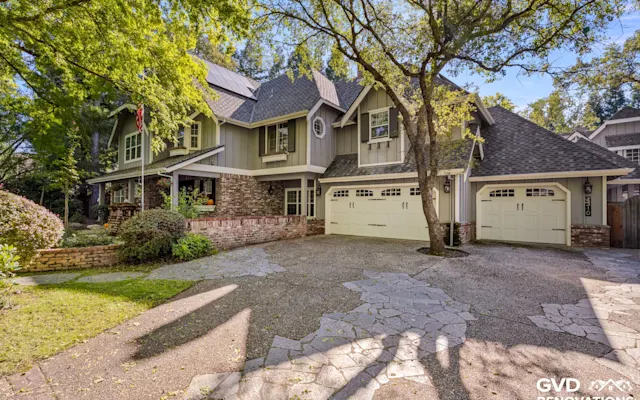
Homes we've built and re-sided in fire country


Wildfire code questions
Is Chapter 7A still the law in California?
The rules are, but not under that name. Since January 1, 2026, the wildfire building rules that were in Chapter 7A of the California Building Code (and Section R337 of the Residential Code) are in the California Wildland-Urban Interface Code, Title 24 Part 7, Chapter 5. Most contractors and inspectors still call them "Chapter 7A".
Does the wildfire code apply to my home?
It applies in every fire hazard zone in State Responsibility Areas, in High and Very High zones in Local Responsibility Areas, and in any area your city or county designates. Look up your address on the State Fire Marshal's fire hazard map. The 2025 maps added zones in places that had none before, including parts of Rocklin, Roseville, Loomis and Lincoln.
If I only replace my windows or siding, do I have to meet the code?
In a covered zone, new work has to meet the rules for new construction, even though the rest of the house can stay as it is. The 2025 code also removed an old exception for homes built before July 2008. Your building department makes the final call, so we confirm the requirements for your address before we quote.
Can I paint or spray my siding to make it fire-resistant?
Not for code purposes. The wildfire code says paints, coatings and stains are not an approved method of protection. The material itself, or the wall assembly behind it, has to qualify.
Will hardening my home lower my insurance?
California requires insurers to recognize specific wildfire mitigation in their rates, and to tell you your wildfire risk score and which upgrades would lower it. The regulation doesn't set a discount amount, so it varies by insurer. The California FAIR Plan offers up to 20% off the wildfire portion of its premium. Ask your insurer for your score before and after the work.
What is Zone 0?
Zone 0 is the 5 feet right around your house. State law calls for an ember-resistant zone there, but as of November 2026 the Board of Forestry's detailed rules are still being finalized and are not in effect. Keeping that strip free of anything that burns is still one of the steps insurers recognize.